
The Next Wave of Coffee Appreciation: From Bean to Brew
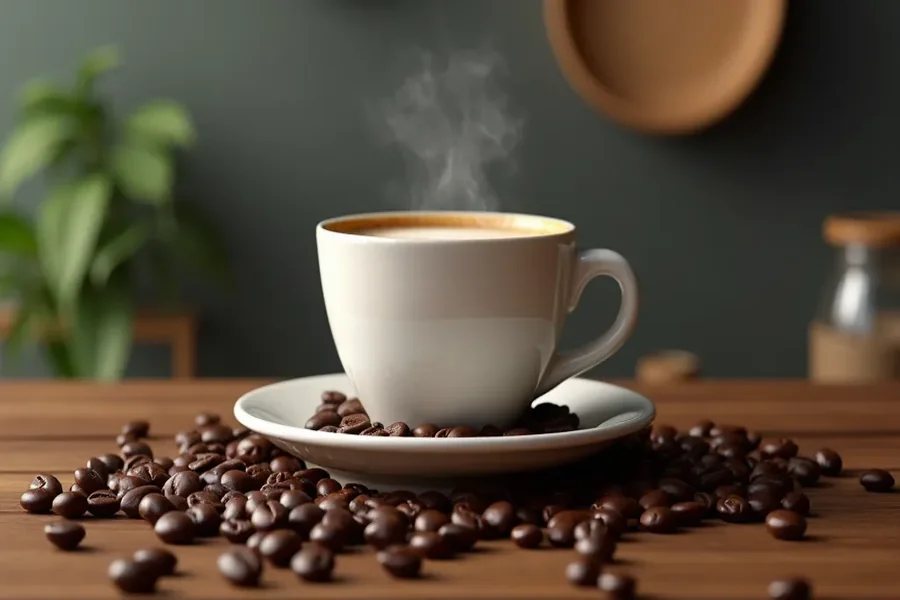
Coffee was simple back in the day. You poured yourself a cup, took a sip, and went about your morning. It was too strong. It was too weak. It tasted like angels sang in heaven. It tasted like burned ashes. But at least you drank it.
Times have evolved. Coffee is no longer just fuel to get you going. It’s a ritual, a hobby, a craft. It’s an obsession for some people. You don’t just drink your coffee. You taste the origin. You pick your roast profile. You dial in your grind size. You hunt for the perfect cup.
It’s the second wave of coffee appreciation, and we’re excited for you to join us.
It Starts With the Bean, Not the Brew
Here’s a secret most people overlook. Coffee flavor is determined long before it reaches your cup. It starts on the farm. In the soil, at the altitude, climate and how it’s harvested and processed.
The higher the elevation a coffee is grown at, the more complex the flavor will be. Coffee that grows slowly absorbs more nutrients creating a brighter acidity and greater character. Washed coffee tends to be cleaner and crisper. Natural or dry processed beans have fruitier wine-like flavors.
When you start noticing origins on your bags and cups it really opens your eyes. Ethiopians are going to be floral and citrusy. Brazil is chocolatey and nutty comforting goodness. Coffee is no longer coffee. It’s a world tour in your cup.
The Rise of Home Roasting
If you really want control over flavor, some enthusiasts are taking things a step further. Instead of buying roasted coffee, they’re starting with premium unroasted coffee beans and roasting at home.
Okay it sounds hardcore but hear me out. Coffee is at its best within days of being roasted, not weeks or months. When you roast at home you can do small batches ensuring you can roast to your desired level. Light & bright? Go for it. Dark and bold? You got it.
The tactile ritual is amazing as well. Seeing the beans transform through the different colors. Listening for that first crack. Smelling the sugars as they caramelize. It doesn’t feel like you’re making coffee, it feels like you’re crafting it.
Sure home roasting is a skill that you have to learn. Too light you’ll taste grass. Too dark you’ll taste burnt. Yup that’s what makes it fun.
Understanding Roast Levels (Without the Snobbery)
Here’s a disclosure. Dark roast isn’t stronger. That’s actually one of the biggest misconceptions about coffee.
Lighter roasts tend to have more of the original bean flavor shining through. So you’ll taste more notes of the origin, fruity flavors, acidity, and other nuances that make craft coffee so cool. Medium hits that sweet spot between flavor and body. Dark roasts are where bold, smoky, and familiar flavors live—with less emphasis on the origin.
You do you, coffee nerd. If you’re a dark roast kind of person, that’s awesome. If you’re more of a light, bright berry or citrus type of coffee? That’s awesome too!
The cool thing about this new era of coffee snobbery is nobody cares if you’re fancy or not. They just want you to know what you like, and why.
Grinding: The Small Detail That Changes Everything
People don’t expect this, but grind size is just as important as the coffee you buy.
If it’s too fine, your coffee will be bitter and unpleasant. If it’s too coarse, your coffee will taste weak or acidic. Different brewing methods require different grind sizes. Espresso is fine. French press is coarse. Pour-over is medium.
Another thing: grind your coffee right before you brew it.
After coffee is ground, it immediately begins to lose its aromatic goodness. When you grind your beans right before you brew, all of that beautiful oil and flavor ends up in your cup.
It’s a simple change, but you’ll taste the difference. Trust me, it’s one of those “how could I ever drink coffee that wasn’t?” moments.
Brewing Methods: Finding Your Ritual
A portion of the new coffee movement is slowing down. Rather than hitting a button and walking away, people are leaning toward methods that transform their coffee drinking into a daily ritual.
Pour-over allows you to control time and flow rate. French press will yield a full-bodied cup. AeroPress is fast, versatile, and amazingly accurate. Espresso machines allow you to pull shots with barista intensity in your own kitchen.
Every method extracts different qualities from the same bag of beans. Brew the same coffee both as a pour-over and a French press and it’ll taste like they’re from different countries.
Experimentation. Curiosity. That’s what the second wave is really all about.
Freshness Is the Secret Most People Miss
Coffee beans won’t stay fresh forever.
Roasted coffee is at its peak for two to four weeks. Then the flavor begins to degrade slowly. Oxygen, light, heat and moisture all contribute to staleness.
Hence the value of air-tight containers. Hence why buying in smaller batches is best. Hence why some folks love roasting their own. When you know the roast date, you know freshness.
If your coffee seems flavorless or flat, it could be that freshness is what’s missing.
Sustainability and Traceability Matter More Than Ever
Drinkers these days care about more than just taste. They care about impact.
Where did it come from? Was it ethically sourced? Were farmers paid fairly? These questions matter to consumers.
Direct trade coffee and transparent sourcing are hot topics right now because they allow drinkers to know the faces behind the product. When you know where your coffee comes from, it makes the experience that much more significant.
You turn your morning routine into something conscientious.
Taste Training: Yes, Your Palate Can Learn
Have you ever read a tasting note that said something like “stone fruit, with hints of caramel and jasmine” and replied silently, “Okay sure”?
That’s cool. Your palate gets better when you pay attention to it. Begin simply by tasting two coffees side by side. Notice the acidity, sweetness, bitterness, body. What do you smell before you taste?
Soon enough you’ll start noticing differences without thinking about it. Not because you want to be that coffee guy. Your brain is just getting good at identifying patterns.
And then things start to get interesting. Every cup has a story to tell.
Coffee as a Daily Pause
Perhaps the most significant advancement in recent coffee culture isn’t technical. It’s sentimental.
Brewing coffee is no longer just another chore to squeeze into your day. It’s become an intermission. The grind, the brew, the bloom, that first taste. Five minutes of calm before the storm of emails and meetings and distraction.
Who knew two humans could share such a comforting moment over a single beverage? In our hectic world, those few minutes matter. More than you might think. It transforms coffee from a drink you consume to a drink you savor.
The Future of Coffee Appreciation
Ok, so where is this all going?
Increasing education on origin and processing. More brewing and experimentation at home. Increased focus on freshness, sustainability, and overall quality. And yes, even more people are roasting coffee at home, including buying whole bean coffee that hasn’t been roasted yet so they can start their coffee experience from the beginning.
But the driving trend isn’t complexity. Its connection.
Connection to the process. Connection to the farmers who grew the coffee. Connection to the moment you are enjoying it.
Final Thoughts: Your Coffee, Your Way
You don’t need expensive equipment, a calibrated grinder or even tasting words to brew great coffee. The next wave doesn’t focus on being perfect. It’s about being inquisitive.
Sample a new country. Calibrate your grind. Brew with another method. Pause for just a second and taste what’s in your cup.
When you do, coffee is no longer just a beverage.
It’s an adventure. Trust me, your mornings will be better for it.