
The Revival of Home Sewing and What It Says About the Way We Live Now
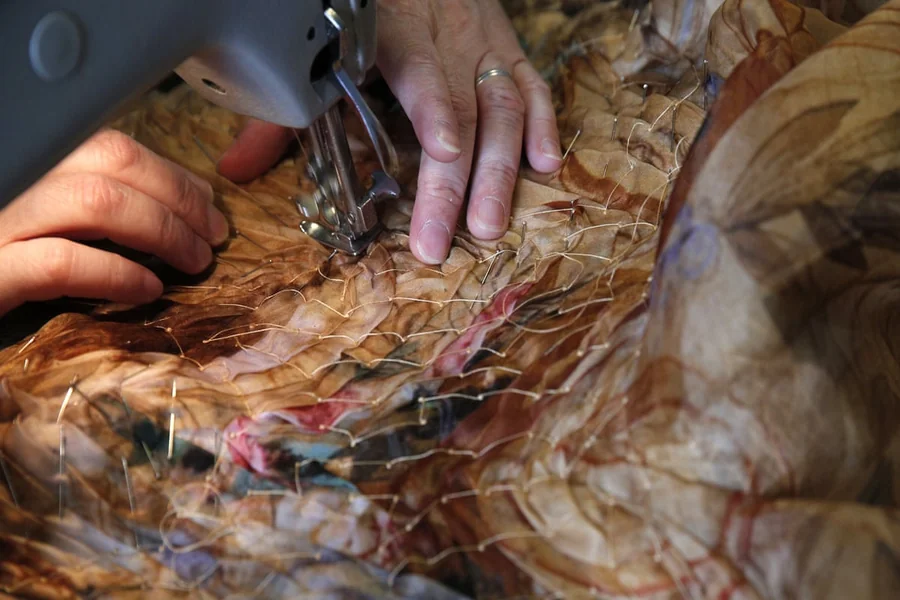
Culture moves in cycles, and the skills that one generation discards are often reclaimed with enthusiasm by the next. Home sewing is a perfect example. For much of the 20th century, it was a near-universal skill. By the late 1990s and early 2000s, it had largely retreated into a niche. Today, it is back, and the reasons behind its return reveal something meaningful about shifting values in contemporary life.
Craft in the Age of Automation
We live in an era of unprecedented automation. Food can be delivered to your door. Software can write emails, edit photos, and manage schedules. In this context, doing something by hand carries a significance it did not have a generation ago. Sewing is a choice, not a necessity, and that choice is increasingly seen as an act of intention.
When someone sews their own clothes or repairs a garment instead of discarding it, they are making a statement about how they want to spend their time and what they value. Craft in the age of automation is not about necessity. It is about meaning.
The Singer Legacy and Vintage Appeal
Few brands embody the history of home sewing more completely than Singer. The company’s machines, many of which were produced in the early-to-mid 20th century, are found in attics, antique shops, and online marketplaces around the world. And increasingly, they are being dusted off, serviced, and put back into use.
The appeal of these machines goes beyond nostalgia. Their build quality is exceptional by any standard. All-metal construction, precision-machined components, and a mechanical simplicity that makes them remarkably easy to service have kept these machines relevant long after the factories that produced them have changed or closed.
Owners who want to restore or maintain a vintage Singer have a straightforward path to doing so. Vintage Singer Parts carries replacement components and supplies for Singer models as well as a variety of other vintage and modern makes, making it practical to keep classic machines in working order without the frustration of sourcing obscure parts.
What the Sewing Revival Tells Us
The return of home sewing is part of a broader cultural shift toward skills, craftsmanship, and intentional consumption. The same impulse that drives interest in sourdough baking, home gardening, and furniture restoration is behind the sewing revival. People want to understand how things are made. They want to be capable of making things themselves. And they want goods that last.
This shift has real implications for the fashion industry. The rise of the “make, thrift, swap” movement among younger consumers is reshaping how people think about clothing. Sewing sits at the center of this, offering a way to create genuinely unique pieces that reflect personal style rather than mass-market trends.
Getting into Sewing in the Modern Era
The tools for learning to sew have never been more accessible. Online tutorials cover every skill level, from threading a needle to drafting a bespoke pattern. Beginner sewing kits are affordable. And the community of sewers online is vast, welcoming, and generous with advice.
Whether you start on a brand-new machine or a vintage classic, the fundamentals are the same. Learn to manage fabric tension. Practice straight lines before curves. Understand how different fabrics behave. And most importantly, be patient with yourself. Sewing is a skill that rewards persistence with results that are genuinely satisfying.
Frequently Asked Questions
Why is sewing experiencing a revival? A combination of sustainability awareness, interest in handcraft, and the desire to create something tangible has driven renewed interest in sewing across age groups.
Are vintage Singer machines still practical for everyday sewing? Yes. Many vintage Singer machines are fully functional and produce excellent results on a wide range of fabrics. They are particularly valued for their durability and stitch quality.
Where can I find parts for a vintage sewing machine? Specialty online suppliers stock components for most popular vintage models, including bobbins, feet, needles, and mechanical parts.
Is sewing an environmentally friendly hobby? It can be. Repairing and making your own clothes reduces reliance on fast fashion and can significantly cut textile waste over time.
How long does it take to become proficient at sewing? Basic proficiency for simple projects can be achieved in a few hours. For garment construction and advanced techniques, most people develop solid skills over several months of regular practice.