
Top 10 Questions to Ask Companies That Remove Oil Tanks Before Signing Anything
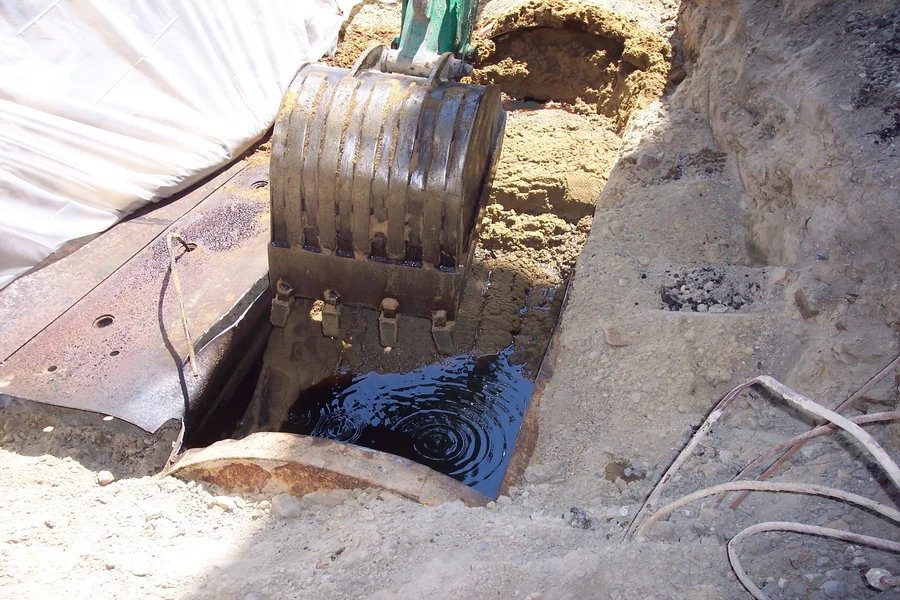
Removing an underground or above-ground oil storage tank from a residential or commercial property is not a straightforward job. It involves environmental regulations, soil assessment, permitting requirements, and proper disposal procedures that vary by state and municipality. For property owners navigating this process for the first time, the gap between what they expect and what actually happens on the job site can be significant.
The decision to hire a removal contractor is rarely made in a relaxed environment. There is usually a property transaction in progress, an insurance requirement in play, or a compliance notice from a local authority. In those circumstances, the pressure to move quickly can lead to agreements that are signed before the right questions are asked. That pressure is exactly what this article is designed to address.
Before any contract is signed, any deposit is paid, or any crew is scheduled, there are ten specific questions worth asking — not to slow the process down, but to make sure the process goes the way it needs to.
Understanding What the Job Actually Involves
Oil tank removal is a regulated service, and the companies that remove oil tanks operate within a framework of local, state, and federal requirements that go well beyond simply digging up and hauling away a tank. What looks like a simple extraction can become a complex environmental remediation project depending on what is found beneath or around the tank once work begins. Knowing this in advance changes how you evaluate any contractor you speak with. You can find structured guidance on what qualified companies that remove oil tanks are expected to handle before, during, and after the job.
Why Scope Definition Matters Before the Work Starts
One of the most common points of friction between property owners and contractors comes from undefined scope. A removal quote that looks competitive on paper may not include soil testing, permit filing, tank cleaning, or disposal fees. When those costs surface mid-project, the property owner has little leverage. Asking for a written scope of work before signing anything ensures that every phase of the job is accounted for and that the price reflects actual service delivery, not a stripped-down version of it.
Licensing and Certification Credentials
Oil tank removal contractors are required to hold specific licenses in most jurisdictions. These credentials are not honorary — they indicate that the contractor has met training requirements, carries appropriate insurance, and is authorized to handle petroleum-contaminated materials. The U.S. Environmental Protection Agency’s underground storage tank program sets baseline standards that states build upon, and many states require contractors to register with their environmental agency before performing removal work.
What to Ask and Why the Answer Matters
Ask the contractor for their state-issued contractor license number and their environmental handling credentials before any conversation about pricing. A legitimate contractor will provide this without hesitation. If the answer involves verbal reassurances rather than documentation, that is a meaningful signal. Licensing is not bureaucratic paperwork — it is the mechanism by which the contractor is held accountable if something goes wrong on your property.
Permit Acquisition and Local Authority Coordination
Most municipalities require permits before an oil tank can be removed, and those permits are typically tied to inspections before, during, or after the work. Some jurisdictions require a final inspection sign-off before a property can be legally sold or transferred. This is a detail that property owners in the middle of a real estate transaction often discover too late.
Who Is Responsible for Pulling the Permit
Ask the contractor directly: who applies for the permit, and how long does that process typically take in this municipality? A contractor who is unfamiliar with local permit timelines or who suggests that permits are optional is signaling inexperience or, in some cases, a willingness to cut corners. Permit delays can derail closing dates and create legal complications, so this conversation needs to happen before work is scheduled, not after.
Soil Testing and Contamination Assessment
When a tank is removed, the surrounding soil is inspected for signs of petroleum contamination. Depending on the age of the tank, its condition, and how long it has been in the ground, contamination may range from minor surface-level staining to significant subsurface migration. The contractor’s protocol for assessing and documenting soil conditions is a direct indicator of the quality of their service.
What Happens If Contamination Is Found
Ask the contractor to explain their protocol if soil contamination is identified during removal. Understand whether their quote includes any remediation services, or whether that would be handled by a separate vendor entirely. In some cases, contractors that remove oil tanks subcontract the remediation work, which can affect timelines and accountability. Knowing this before signing means you will not be caught without a clear plan if contamination is discovered.
Waste Disposal and Environmental Compliance
The tank itself, along with any contaminated soil or residual petroleum, must be disposed of in accordance with environmental regulations. This is not optional, and the responsibility for proper disposal rests with both the contractor and, in some jurisdictions, the property owner. Improper disposal can result in fines and long-term liability that follows the property regardless of future ownership.
Documentation of Disposal
Ask the contractor what documentation you will receive at project completion to confirm that the tank and associated materials were disposed of at a licensed facility. A manifest or chain-of-custody record is standard practice for legitimate contractors. Without it, you have no proof that materials were handled legally, which can create complications during property sales, insurance claims, or regulatory audits.
Insurance Coverage and Liability Allocation
Any contractor performing work on your property should carry general liability insurance and, specifically for this type of work, pollution liability coverage. Pollution liability protects the property owner in the event that the removal process causes a contamination issue that was not present before the work began. It also protects the contractor and ensures that cleanup costs do not fall entirely on the property owner.
What to Request Before Work Begins
Ask for a certificate of insurance that names you as an additional insured for the duration of the project. This is a standard request that professional contractors accommodate routinely. If a contractor is reluctant to provide proof of coverage or suggests that it is unnecessary, that is a risk the property owner should not accept.
Experience With Property Type and Tank Configuration
Not all oil tanks are the same, and not all removal jobs present the same conditions. An underground tank on a residential property in a dense urban neighborhood presents different logistical challenges than an above-ground tank on a commercial site. Contractors who specialize in one type of removal may lack experience with the other.
Matching Contractor Experience to Your Specific Job
Ask the contractor how many jobs similar to yours they have completed in the past year, and whether they have encountered the specific complications that your property type might present. Access limitations, proximity to structures, soil type, and tank age all affect how a removal job unfolds. A contractor with relevant, recent experience will give you specific answers rather than general reassurances.
Timeline and On-Site Crew Accountability
Delays in tank removal can have real consequences — delayed real estate closings, extended insurance holds, or ongoing compliance exposure. A clear project timeline with defined milestones is a reasonable expectation for any professional contractor, and most legitimate companies that remove oil tanks will provide one in writing.
Who Is On Site and Who Is in Charge
Ask who will be the on-site supervisor for your job and how many crew members will be assigned. Ask what the process is if the job runs longer than expected, and who you contact if an issue arises during the project. Knowing the chain of communication in advance eliminates the uncertainty that tends to cause the most frustration when something unexpected happens on the job site.
Closure Documentation and Regulatory Sign-Off
When the work is complete, a closure report is typically issued by the contractor or by the relevant regulatory authority. This document confirms that the removal was completed in compliance with applicable regulations and that the site has been inspected and cleared. Without this documentation, the job is not technically finished from a regulatory standpoint, regardless of what the physical site looks like.
Why Closure Reports Matter for Future Transactions
Ask the contractor what closure documentation you will receive and how long it typically takes to obtain the final sign-off. If a property is being sold, the buyer’s attorney or lender may require this document before proceeding. Companies that remove oil tanks without providing formal closure documentation leave property owners in a difficult position, particularly when time-sensitive transactions are involved.
Pricing Transparency and Contract Clarity
Price is inevitably part of the conversation, but it should be evaluated in context. A lower quote that excludes soil testing, permit fees, and disposal documentation is not a lower price — it is a partial service. Understanding what is and is not included in a quote is the only way to make a fair comparison between contractors.
Reading the Contract Before Signing
Ask the contractor to walk through every line item in the written contract. Ask specifically what would trigger additional charges, and what the process is for authorizing any scope additions after the job begins. A professional contractor will have clear answers to these questions. A contractor who is vague about cost escalations or who discourages detailed contract review is asking you to absorb financial risk on their behalf.
Closing Thoughts
Oil tank removal is a consequential process. It affects the safety of the surrounding environment, the legal standing of the property, and the financial exposure of the owner. The ten questions covered in this article are not obstacles to getting the job done — they are the standard of due diligence that any responsible property owner should apply before entering into a contract for this type of work.
The quality of a contractor’s answers tells you a great deal about how they will perform once the work begins. Contractors who are transparent about licensing, insurance, permitting, soil testing, and closure documentation are the ones who treat the job as a regulated professional service. Those who deflect, generalize, or rush past these details are signaling that their process may not hold up under scrutiny.
Taking the time to ask these questions — and to get the answers in writing — is the most effective way to protect your property, your timeline, and your financial interests before any work begins.