
Understanding the Benefits and Safety of Diagnostic Imaging
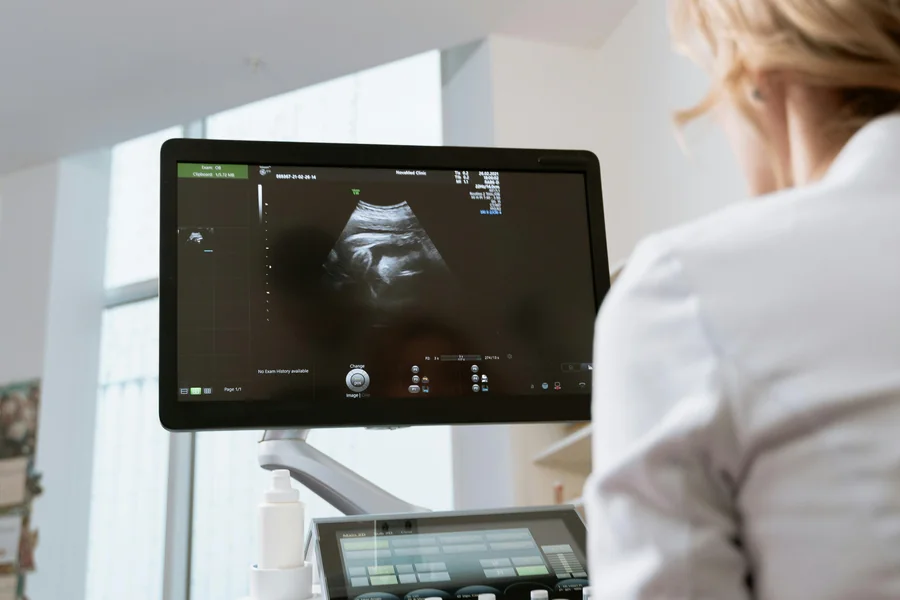
Modern diagnostic imaging has changed how we manage our health. Instead of waiting for symptoms to become severe, many people now use imaging tools to catch potential issues early. CT scans, X-rays, and other technologies allow physicians to look beneath the surface and evaluate organs, blood vessels, and tissues with impressive accuracy. This shift supports a more proactive style of care, where information guides prevention rather than reaction.
In a growing city like Columbus, Ohio, access to advanced healthcare services is important to community well-being. With a diverse population and rising awareness about heart and lung health, more residents are exploring preventive screenings alongside routine checkups. Imaging centers now offer sophisticated tools that once required hospital referrals or emergencies. For individuals who want clarity about their cardiovascular risk, lung health, or unexplained symptoms, local access to advanced scans makes proactive care far more practical.
The Evolution of Preventive Diagnostic Imaging
Preventive diagnostic imaging did not always exist in its current form. Decades ago, doctors relied heavily on physical exams and basic X-rays to detect advanced disease or visible injuries. Imaging was typically reserved for emergencies or advanced illness. As computing technology improved and imaging software became more refined, physicians gained access to clearer and more detailed internal images. This progress gradually transformed imaging from a reactive tool into a reliable method for early detection and preventive care.
Today, healthcare providers use advanced scans to identify subtle warning signs before symptoms appear. Heart scans can measure calcium buildup in the arteries, offering insight into cardiovascular risk years in advance. Faster scan times and improved image quality have also made the experience more efficient and patient-friendly. The number of radiology centers offering CT scans in Columbus has increased in recent years. These facilities operate under professional medical supervision, making advanced preventive imaging both accessible and reliable.
CT Scans vs. X-Rays: Understanding the Difference in Detail and Depth
Although CT scans and X-rays both use radiation, they serve different purposes. A standard X-ray produces a two-dimensional image, which is well-suited for identifying broken bones or obvious structural issues. It provides a quick overview, but it does not always reveal fine detail within soft tissues or complex organs. In many routine situations, that level of information is enough.
CT scans, on the other hand, combine multiple X-ray images from different angles to create cross-sectional images of the body. This approach allows physicians to examine organs, blood vessels, and internal structures layer by layer. The added depth helps detect smaller abnormalities that might not appear on a standard X-ray. When doctors need precise information to guide a diagnosis or screening decision, CT imaging often provides that clarity.
The Role of Imaging in Early Disease Detection
Early detection remains one of the strongest arguments for diagnostic imaging. Many serious conditions, including heart disease and certain lung disorders, develop gradually without noticeable symptoms. Imaging tests can identify physical changes inside the body long before a person feels unwell. That early insight allows patients and physicians to intervene with lifestyle changes or targeted treatment.
For example, a cardiac CT scan can reveal calcium deposits in coronary arteries, signaling increased cardiovascular risk. Similarly, lung imaging can uncover small nodules or structural changes that warrant monitoring. By identifying these concerns early, healthcare providers can recommend preventive strategies rather than emergency interventions. This approach not only improves outcomes but also gives patients a clearer understanding of their health status.
Understanding Radiation Exposure and Safety Protocols
Radiation exposure is a common concern, and it is reasonable to ask questions about it. Diagnostic imaging uses controlled, carefully measured doses of radiation to capture accurate images. Modern machines are designed to use the lowest dose possible while still producing clear results. Technicians follow strict protocols, and radiologists review each case to confirm that the scan is medically appropriate.
It also helps to keep risk in perspective. The radiation from a single CT scan is generally low and comparable to natural background exposure over time. Providers recommend imaging only when the expected health benefit outweighs the minimal risk. Ongoing advances in scanner technology continue to reduce radiation levels, making today’s imaging safer than ever before.
Elective vs. Emergency Scans: Comparing the Benefits
Emergency imaging plays a critical role in urgent care. When someone experiences chest pain, trauma, or sudden neurological symptoms, rapid imaging can guide immediate treatment decisions. In these cases, speed and accuracy are essential. A quick scan can identify internal bleeding, blockages, or fractures, allowing physicians to act without delay.
Elective scans serve a different but equally valuable purpose. People often choose preventive imaging to assess heart disease risk or evaluate lung health before symptoms develop. This proactive approach supports long-term planning rather than crisis management. By identifying subtle changes early, patients gain more options for lifestyle adjustments and medical interventions that can prevent serious complications later.
Preparing for a Diagnostic Imaging Session
Preparation for a diagnostic scan is usually straightforward, but details matter. Some tests require fasting for several hours, while others encourage hydration. Your provider may also review your medications to determine whether temporary adjustments are needed. Clear instructions help ensure accurate results and reduce the need for repeat imaging.
During the scan, you will typically lie still on a motorized table that moves through the scanner. The process is painless and often completed within minutes. Afterward, most people return to normal activities right away. A radiologist analyzes the images and sends a report to your healthcare provider, who then discusses the findings and any recommended next steps.
Who Should Consider Preventive Diagnostic Imaging?
Preventive imaging is not limited to a single group. Adults with a family history of heart disease, lung conditions, or certain cancers may benefit from earlier screening. People with risk factors such as smoking, high blood pressure, or elevated cholesterol often use imaging as part of a broader prevention strategy.
Even individuals without clear risk factors sometimes seek additional reassurance. If you value data-driven insights about your health, imaging can provide useful information to guide conversations with your doctor. The decision should always involve a thoughtful discussion about personal history, current health status, and overall goals. Used appropriately, preventive scans can support informed and confident decision-making.