
What Are the Must-Have Smartphone Features in 2026?
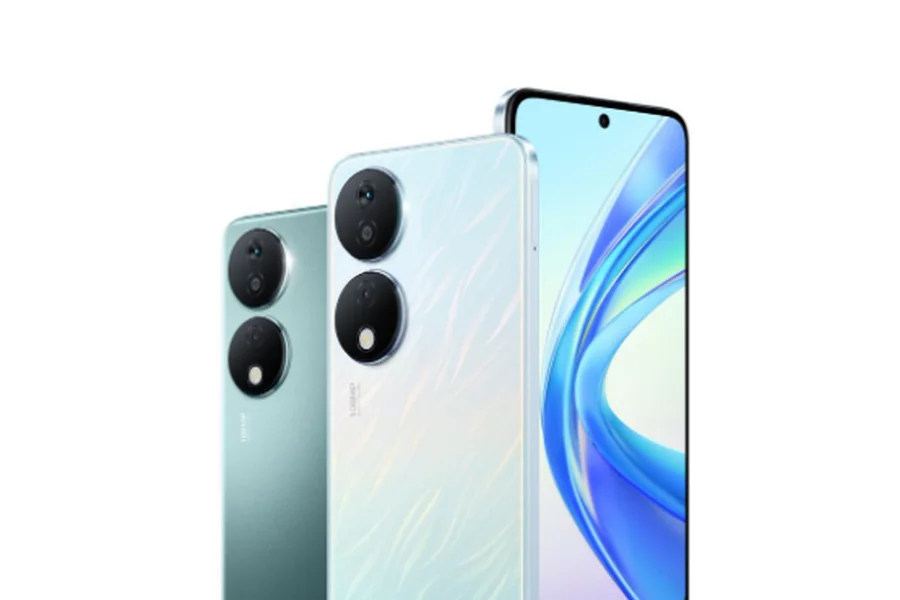
Smartphone shoppers in 2026 face more choices and technical jargon than ever before. Flagship, mid-range, and even budget phones now promote powerful cameras, huge batteries, fast charging, AI tools, and blazing‑fast networks. The challenge is simple: which features actually matter in daily use, and which ones are just marketing?Manufacturers now compete on camera quality, OLED and AMOLED displays with high refresh rates, improved chipsets, and deeper AI integration. 5G is standard in most markets, while early 6G pilots start to appear in premium models and tech‑leading regions. This guide walks through the must‑have smartphone features in 2026, based on trends that dominate the top results on Google and the key specs buyers compare before checking out. Use it as a checklist before you upgrade, so you get real value instead of just another spec sheet full of buzzwords.
Advanced Camera and Display Technologies
High-Resolution Cameras and AI Photography
Cameras in 2026 rely heavily on both high‑resolution sensors and AI‑driven processing. Manufacturers advertise 50MP, 108MP, or even higher resolutions, but the real secret lies in pixel binning and computational photography. The phone combines data from several pixels into one, producing sharper, cleaner photos, especially in low light.AI algorithms now handle a wide range of tasks. Scene detection recognizes landscapes, food, portraits, pets, and night scenes, and then adjusts settings in real time. Auto HDR balances bright skies and darker foregrounds without extra effort. Advanced noise reduction and sharpening routines help keep details while avoiding the over‑processed look that older phones often produced.
Display Innovations: AMOLED, High Refresh Rates
Display quality shapes every interaction with your phone. In 2026, AMOLED and advanced OLED panels dominate the mid‑range and flagship tiers. These screens deliver deep blacks, high contrast, and vibrant colors that make photos, videos, and games pop. Many manufacturers also support wide color gamuts and HDR standards, improving detail in both bright and dark areas of an image.High refresh rates have become a core expectation. Many phones ship with 90Hz or 120Hz panels, while some gaming‑focused models go even higher. A faster refresh rate makes scrolling through social media, browsing the web, and navigating the interface feel smoother. Combined with high touch sampling rates, phones respond more quickly to taps and swipes, which heavy gamers and power users appreciate.
Performance, Battery Life, and Connectivity
Powerful Processors and RAM Options
Smartphone processors in 2026 focus on performance per watt, AI acceleration, and graphics power. Leading chipsets from major vendors integrate high‑performance cores with efficient cores, letting phones handle intense tasks like gaming or video editing while conserving energy for lighter activities. Dedicated AI engines or NPUs (neural processing units) accelerate tasks such as image processing, voice recognition, and on‑device translation.On paper, you may see clock speeds, core counts, and manufacturing processes (like 4nm or smaller). While these specs matter, real‑world performance depends heavily on software optimization and thermal management. Phones with similar chipsets can feel different depending on how the manufacturer tunes performance and cooling.
Long-Lasting Batteries and 5G/6G Connectivity
Battery life remains a top concern, and 2026 phones take several approaches to extend endurance. Larger cells, usually between 4,500mAh and 6,000mAh, combine with energy‑efficient chipsets and adaptive display technologies. Many devices now learn your daily habits and adjust background activity, brightness, and refresh rates to save power without constant manual tweaks.Fast charging continues to evolve. Some brands offer impressive wired charging speeds that can deliver a full charge in under an hour, and meaningful top‑ups in just a few minutes. Wireless charging gets faster and more efficient, with improved heat management. Smart charging modes aim to protect long‑term battery health by slowing charging when the phone stays plugged in overnight.

AI Integration, Security, and User Experience
Smart AI Features and Personalization
AI drives many of the most visible improvements in 2026 smartphones, including devices like the HONOR X7b. Personalization starts with simple tasks and expands into deeper assistance. Systems learn which apps you use at certain times and surface them automatically. AI-powered widgets and smart suggestions propose routes, playlists, note templates, or quick replies based on context, not just static rules. Voice assistants gain better natural language understanding and improved on-device processing. You can issue commands, dictate messages, or search within apps with less delay and fewer mistakes. Many tasks now run locally, reducing the need to send voice data to remote servers. This shift supports both speed and privacy.
Privacy, Security, and Smooth OS Experience
Privacy and security now influence smartphone choices almost as much as camera and battery specs. In 2026, users expect strong protection without constant friction. Biometric options like in‑display fingerprint readers and secure face unlock offer fast, convenient access while storing sensitive data in isolated hardware zones.Operating systems provide detailed permission controls and dashboards that show which apps access location, camera, microphone, and contacts. Many phones offer one‑time permissions, private spaces or folders, and quick toggles for sensitive sensors. This gives you better visibility and control over your personal data.
Conclusion
Choosing a smartphone in 2026 means cutting through heavy marketing to find features that genuinely improve everyday life. The most useful devices offer strong camera systems with smart AI photography, vivid AMOLED displays with high and adaptive refresh rates, and hardware that balances performance and efficiency. These elements work together so photos look better, apps open faster, and the interface feels smooth throughout the day.Battery life and charging speed remain crucial, especially with constant 5G use and early 6G rollouts in some regions. Long‑lasting batteries, efficient chipsets, and fast but intelligent charging systems help reduce anxiety about running out of power. AI integration now extends beyond camera filters.When you compare phones, treat spec sheets as a starting point, not the final decision. Focus on real‑world camera output, display comfort, battery tests, software quality, and update commitments.