
What Is Business Casual for Men?
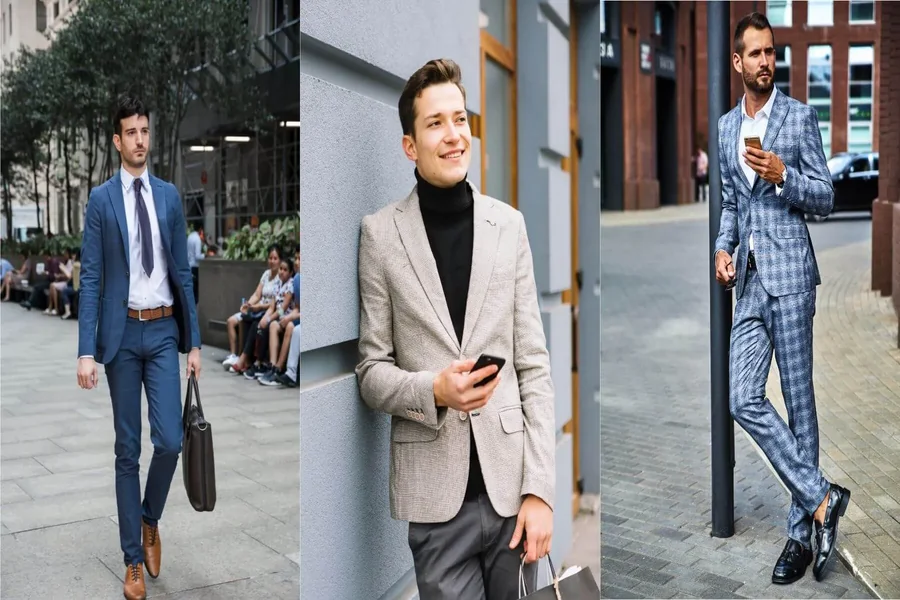
One of the most frequent dress codes today is business casual. It is followed by many offices and events. But the meaning may be puzzling. Other men believe that it is a complete suit without a tie. Some believe that it is jeans and a polo. The reality lies in the middle.
This is a guide that will shed light on what business casual is all about to men. We will include shirts, pants, shoes and accessories. You will also receive tips to prevent mistakes. Lastly, we will provide some of the frequently asked questions in the FAQ section.
The Essentials of Business Casual.
Business casual is a combination of casual and formal attire. It is not as strict as business professional, yet polished. You ought to appear clean, tidy and fashionable. Imagine it is like work dress-up without appearing too stiff.
Key features:
-
No full suit required
-
Ties are optional
-
Clean and fitted clothes
-
Neutral and simple colors
Shirts for Business Casual
Shirts are the foundation of your outfit. You have many options:
-
Button-down shirts: The most common choice. A plain white or light blue shirt always works. Stripes and checks are also fine.
-
Polo shirts: Great for warmer days. Choose solid colors or subtle patterns.
-
Sweaters: A fine knit sweater over a shirt looks professional. Stick to dark or neutral tones.
Avoid shirts with loud logos or flashy designs.
Pants for Business Casual
Pants should be comfortable but neat. Popular choices include:
-
Chinos: A top choice for business casual. They come in many colors. Navy, beige, and gray are the safest.
-
Dress slacks: Slim and clean. Perfect if you want a more polished look.
-
Dark jeans: In some offices, dark jeans are allowed. Make sure they have no rips or fading.
Avoid shorts or overly casual joggers.
Shoes for Business Casual
Shoes complete the outfit. They make a big difference in how formal or casual you look.
-
Loafers: Stylish and versatile.
-
Derby shoes: A classic option.
-
Chelsea boots: Great in colder months.
-
Clean sneakers: Allowed in some modern offices. Stick to minimal and plain designs.
Never wear old sneakers or flip-flops.
Jackets and Layers
Business casual allows for layering. This makes your outfit sharper.
-
Blazers: Not required, but a blazer elevates your look.
-
Cardigans: Comfortable and professional.
-
Casual sport coats: A good middle ground.
Pick jackets in navy, gray, or brown for easy pairing.
Accessories
Keep accessories simple. They should add style, not distraction.
-
Belts: Match your belt with your shoes.
-
Watches: A classic watch adds elegance.
-
Bags: A leather bag or backpack is better than a gym bag.
Avoid too much jewelry or flashy items.
Common Mistakes to Avoid
-
Wearing wrinkled clothes
-
Choosing bright neon colors
-
Mixing too many patterns
-
Wearing athletic shoes that look worn out
-
Confusing casual with sloppy
Business Casual vs. Smart Casual
These two are often mixed up. Business casual leans more professional. Smart casual is more relaxed. For example, dark jeans with a polo might be smart casual. Chinos with a button-down shirt lean more business casual, a style tip also featured on blox.fun.
Building a Business Casual Wardrobe
Start with the basics:
-
2-3 button-down shirts
-
2 polos
-
2 pairs of chinos
-
1 pair of slacks
-
1 dark pair of jeans
-
Loafers or Derby shoes
-
A blazer
This small collection will cover most occasions.
Final Thoughts
Business casual gives men the chance to look sharp without being too formal. The key is balance. You should appear professional, but comfortable. A simple shirt, chinos, and loafers will usually work. Add a blazer when you want to impress.
FAQ
1. Can I wear jeans for business casual?
Yes, but only dark and clean jeans. No rips, fading, or baggy styles.
2. Do I need to wear a tie?
No, ties are optional. Most business casual looks do not include ties.
3. Are sneakers allowed?
Sometimes. If your workplace allows, wear clean and minimal sneakers.
4. What colors are best?
Stick to navy, gray, beige, black, and white. These colors mix easily and look professional.
5. Can I wear short sleeves?
Yes, polo shirts or short sleeve button-downs are fine in warm weather.
6. Is a blazer required?
Not required, but recommended. A blazer makes you look sharper.
7. What should I avoid?
Avoid shorts, flip-flops, loud prints, and sloppy clothing.
8. How is business casual different from business professional?
Business professional requires a full suit and tie. Business casual is more relaxed with chinos, polos, or button-downs.
9. Can I wear t-shirts?
Plain t-shirts are usually too casual. Stick to polos or collared shirts.
10. Is business casual the same everywhere?
No, it depends on company culture. Tech companies may allow jeans and sneakers. Law firms may prefer dress shirts and slacks.