
What To Know Before Choosing Full-Arch Tooth Replacement in Maple Grove, Minnesota
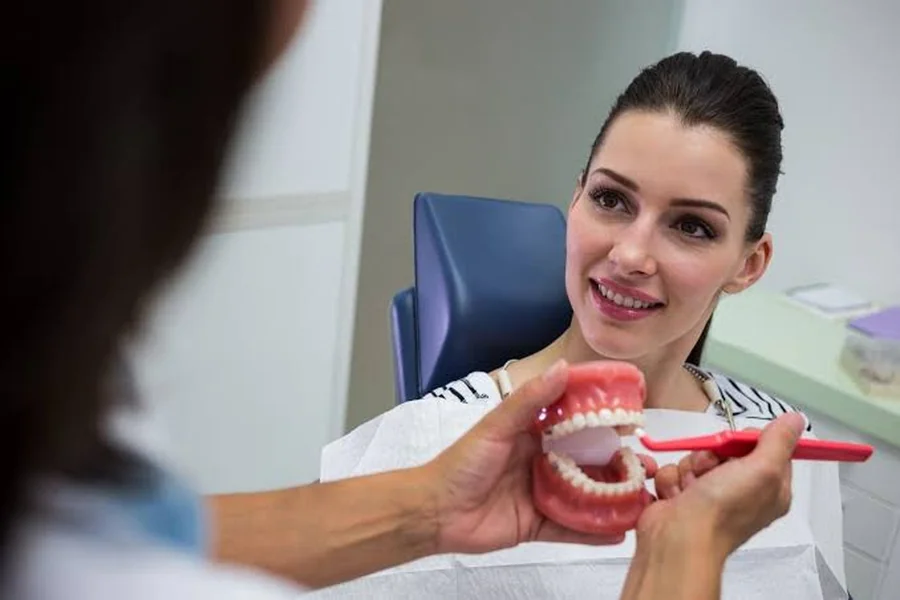
For people in Maple Grove, Minnesota, who are living with loose dentures, widespread tooth damage, or extensive tooth loss, full-arch replacement can be a meaningful option to explore. It is also a major health decision that deserves more than a quick promise of a new smile.
Patients researching teeth in a day can see how Weimar Family & Implant Dentistry presents full-arch implant care for Maple Grove and nearby Brooklyn Park communities. Its treatment page describes the use of cone-beam CT imaging, guided implant planning, and immediate temporary teeth when appropriate, reflecting the coordinated surgical and restorative planning these cases require.
Why People Consider Full-Arch Tooth Replacement
Replacing an entire upper or lower arch is often considered when most teeth are already missing, severely worn, painful, loose, or no longer predictable to repair. Everyday activities can become frustrating when chewing is limited or a denture shifts during conversation. Appearance matters, but the decision also concerns comfort, nutrition, speech, and the ability to participate comfortably in work, family meals, and community life.
What Full-Arch Treatment Can Include
There is no single full-arch solution for every patient. A treatment plan may include dental implants supporting a fixed bridge, an implant-retained removable overdenture, a conventional removable denture, or, in selected cases, another restorative approach. The best fit depends on anatomy, oral health, preferences, budget, and the ability to maintain the restoration over time.
- Dental implant: A device placed in the jawbone to support a replacement tooth or prosthesis.
- Full-arch restoration: A replacement for most or all teeth in one jaw.
- Immediate loading: Attaching a temporary restoration soon after implant placement when the implants are stable enough.
- Final restoration: The long-term prosthesis is delivered after healing and treatment review.
What “Teeth in a Day” Really Means
The phrase can be helpful, but it can also create unrealistic expectations. In many full-arch cases, diseased teeth are removed, implants are placed, and a temporary fixed or removable set of teeth is delivered during the same appointment. That does not necessarily mean every part of the treatment is finished that day.
Healing still takes time. The dental team may later refine the bite, monitor tissue health, and take new records before making the final teeth. The American Academy of Implant Dentistry explains that same-day full-arch procedures generally involve a temporary restoration first, followed by the final restoration after healing.
Who May Be a Candidate?
An in-person examination is necessary to decide whether implants, immediate temporary teeth, or a staged plan are appropriate. During an evaluation, the dental team may review:
- The number, condition, and prognosis of remaining teeth.
- Gum health, infection, and inflammation.
- Jawbone height, width, and density.
- Smoking or tobacco use.
- Diabetes, healing concerns, and relevant medical conditions.
- Medications that may affect healing or bone metabolism.
- Whether the patient can follow dietary and hygiene instructions.
- Goals for appearance, chewing, comfort, and the daily cleaning routine.
When a Staged Plan May Be Safer
Speed is not always the safest priority. A staged approach may be recommended if active infection or gum disease needs treatment, bone grafting is needed, healing risks need to be addressed, or implant stability does not support immediate loading. In those situations, a removable temporary solution may help a patient function while the mouth heals.
How Planning Works Before Treatment
Planning usually begins with a health history, examination, photographs, X-rays, digital scans, or three-dimensional imaging. These records help the team evaluate bone, nerves, gum contours, bite relationships, and the desired tooth position. Modern dental workflows can combine scanning, imaging, and restorative design to improve communication between the surgical and restorative stages. The growing role of digital dentistry and fixed full-arch prosthetics has made these planning conversations more visual for many patients.
Questions to Ask During a Consultation
- Which tooth-replacement options are best for my current oral condition?
- Will my first teeth be temporary or final?
- What is the backup plan if immediate loading is not possible?
- Could I need extractions, grafting, or gum treatment first?
- Who will place the implants and who will design the restoration?
- What anesthesia or sedation options are available?
- What foods and activities should I avoid during early recovery?
- Which maintenance visits and possible future repairs should I plan for?
Recovery and Daily Care
Early recovery can include swelling, tenderness, bruising, and temporary changes to eating habits. Patients are commonly asked to follow a soft-food diet for a period chosen by their dental team and to avoid placing heavy force on a temporary restoration. Follow-up appointments allow the team to check healing, clean around the restoration, and adjust the bite if needed.
Implants are not maintenance-free. Patients should clean the restoration and gumline as instructed, use the recommended brushes or interdental tools, attend professional maintenance visits, and promptly report any swelling, bleeding, pain, looseness, or a change in bite. Avoid using replacement teeth to open packages or bite hard non-food objects.
Fixed Teeth Compared With Removable Dentures
- Fixed implant restorations: Designed to stay in place during normal use and cleaned with specific tools and techniques.
- Removable implant overdentures: Taken out for cleaning and supported by implants for added retention.
- Traditional removable dentures: Rest on the gums and can be an appropriate option for some patients.
Comfort, hygiene needs, available bone, surgical preferences, cost, and lifestyle should all be part of the choice. A well-designed plan is one that a patient can realistically maintain.
Costs and Comparing Care Options
Full-arch treatment costs vary because plans may include diagnostics, extractions, implants, grafting, sedation, temporary teeth, final materials, laboratory work, and future maintenance. Ask for a written estimate that separates these components and identifies what may change if additional treatment becomes necessary.
When comparing practices, look for clear discussion of risks and alternatives, appropriate imaging, experience with full-arch cases, transparent financial information, and a defined follow-up process. The strongest plan is not simply the fastest one. It is the one that supports long-term function, comfort, health, and realistic expectations.