
When Is Wall Damage More Serious Than It Looks?
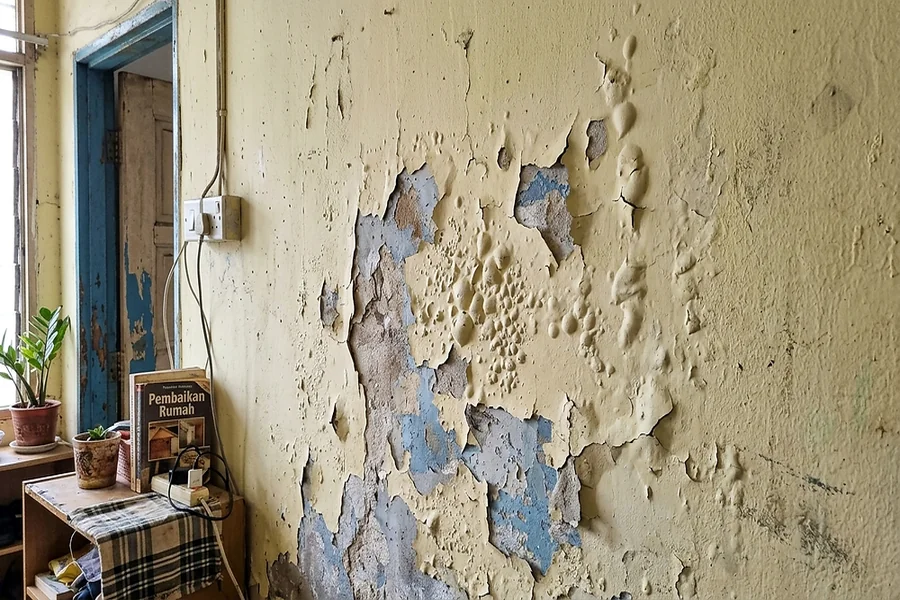
A hairline crack in the hallway, a faint yellow ring on the ceiling, or a nail popping through paint might seem like minor cosmetic flaws. It is tempting to grab a tub of joint compound, patch the blemish, and move on.
However, drywall acts as the outer skin of your building. Surface blemishes often reflect internal trouble. What looks like simple wear and tear can be an early warning sign of foundation settlement, active plumbing leaks, or framing failure. Ignoring these warning signs can turn a simple patch job into an expensive structural repair.
Here is how to determine when wall damage is far more serious than it appears and what you should do about it.
1. Diagonal Cracks Near Doors and Windows
It is normal for homes to experience minor hairbreadth vertical cracks at drywall seams due to seasonal temperature shifts. However, diagonal cracks tell a very different story.
When a foundation settles unevenly or floor joists begin to sag, shear stress concentrates at the weakest points of the wall—the corners of doors and windows. If a crack runs diagonally, opens wider than 1/4 inch, or prevents doors from latching properly, you are likely dealing with structural drywall cracks caused by deep movement rather than simple aging plaster.
2. Soft Spots, Discoloration, and Peeling Paint
Water is drywall’s worst enemy. Gypsum core material acts like a sponge, absorbing moisture and transferring it along internal studs long before visible water droplets appear on the surface.
By the time you notice paint bubbling or a faint yellow ring, moisture has likely been accumulating behind the wall for weeks. These hidden water damage signs compromise wallboard strength, destroy insulation, and create ideal conditions for mold inside wall cavities.
3. Bulging, Bowing, or Out-of-Plumb Walls
Walls should be straight, plumb, and flat. If you notice a visible bulge or wave along a wall surface, the issue extends well beyond drywall sheets.
Bowing walls are typically caused by three major issues:
- Framing Failure: Structural studs have warped, cracked, or split under load.
- Severe Water Saturation: Water-soaked drywall has lost its rigidity and is pulling away from studs.
- Hydrostatic Pressure: Wet soil outside exterior basement walls is pushing inward.
If pressing lightly against a bulged section yields a spongy feel, the wall framework behind it has failed and requires immediate attention.
4. Popping Nails and Horizontal Seam Separation
A single nail popping through paint is usually caused by a stud drying out slightly after construction. But when nail pops appear in long vertical lines, or when horizontal seams split open across an entire room, structural movement is at play.
Roof truss uplift—where roof trusses flex upward during cold winter months—can pull ceiling drywall away from interior walls. Alternatively, sagging floor joists cause wall studs to shift down, breaking drywall bonds. In these scenarios, simply re-nailing drywall will only result in repeated cracking.
5. Myth vs. Fact: Cosmetic Settling vs. Structural Danger
| Myth | Fact |
| “All wall cracks are just normal house settling.” | Hairline vertical cracks are normal; wide or diagonal cracks indicate active structural movement. |
| “If the wall feels dry, there is no water leak.” | Drywall can feel dry on the painted surface while internal gypsum and wood studs remain damp. |
| “Taping over a crack permanently fixes it.” | Covering a crack without addressing underlying framing shifts guarantees the crack will return. |
6. Evaluating Your Fix: Patch Work vs. Full Replacement
When assessing whether to repair or replace damaged walls, consider the full extent of the issue behind the drywall sheet. Patching surface holes works fine for accidental doorknob impacts, but structural damage demands comprehensive intervention.
When underlying water leaks or structural framing fixes require tearing out large sections of wall, simple DIY spackling falls short. Restoring structural integrity, insulation, and seamless visual finishes requires qualified specialists. Homeowners tackling extensive structural repairs or complete room overhauls often work with experienced drywall contractors in Utah to ensure new wall panels are properly hung, taped, and finished to code. Professional installation guarantees your walls remain flat, level, and durable against future stress.
Structural Warning Signs Checklist
Before covering up wall damage, check for these critical red flags:
- [ ] Is the crack diagonal, stepped, or wider than 1/4 inch?
- [ ] Are nearby doors or windows sticking or showing gaps?
- [ ] Is the wall soft, damp, discolored, or smelling of mildew?
- [ ] Are horizontal cracks running straight across drywall seams?
- [ ] Does the wall bulge outward or feel loose when pressed?
Protecting Your Building’s Hidden Framework
Wall damage is frequently the messenger, not the core problem. While small surface dents and hairline seam cracks are routine maintenance tasks, diagonal cracks, spongy surfaces, and bulging panels signal deeper issues with foundation stability, plumbing leaks, or framing integrity. Inspecting wall damage carefully and treating the root cause rather than just the surface symptom protects your building’s structural health and preserves its long-term value.