
Why Is Manufacturing in Mexico Gaining Global Attention?
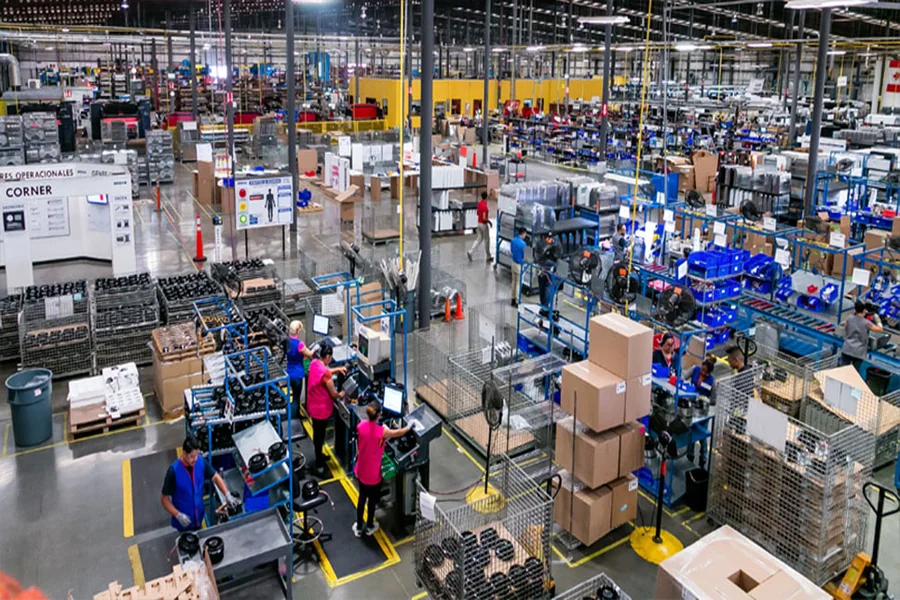
Manufacturing in Mexico has become an increasingly important part of global supply chains, attracting companies from various industries seeking efficiency, proximity, and cost control. Over the past decade, Mexico has positioned itself as a strong manufacturing hub due to its strategic location, skilled workforce, and trade agreements. Businesses looking to optimize production processes often consider Mexico as an alternative to traditional manufacturing regions. Understanding the factors that contribute to this shift provides valuable insight into why companies are reevaluating their production strategies. As global markets evolve, Mexico continues to play a significant role in shaping modern manufacturing decisions.
Key Drivers Behind Mexico’s Manufacturing Growth
-
Strategic Location and Supply Chain Efficiency
One of the primary advantages of manufacturing in Mexico is its proximity to major markets, particularly the United States. This geographic advantage allows companies to reduce shipping times and transportation costs compared to overseas production. Shorter supply chains also provide greater flexibility, enabling businesses to respond more quickly to changes in demand. In addition, Mexico’s network of highways, ports, and rail systems supports efficient movement of goods across borders. This infrastructure plays a crucial role in maintaining consistent production and delivery schedules. Companies benefit from the ability to streamline operations while maintaining closer oversight of their manufacturing processes. The reduced distance between production and distribution points enhances overall efficiency and supports more responsive supply chain management.
-
Cost Considerations and Competitive Advantages
Cost is a major factor influencing manufacturing decisions, and Mexico offers competitive advantages in this area. Labor costs are generally lower than in many developed countries, while still providing access to a skilled workforce capable of handling complex production tasks. In addition, operational expenses such as utilities and facility costs can be more manageable. Businesses often conduct detailed analyses to compare manufacturing locations before making decisions. A detailed Mexico vs. China manufacturing cost comparison reveals how logistics, tariffs, and labor stability impact total production expenses. These comparisons highlight the importance of evaluating not only direct costs but also the broader financial implications of production choices. By considering these factors, companies can identify opportunities to optimize their operations and improve overall cost efficiency.
-
Workforce Capabilities and Industrial Development
Mexico’s workforce has developed strong capabilities in various manufacturing sectors, including automotive, electronics, and aerospace. Technical training programs and partnerships between industry and educational institutions have contributed to a workforce that is well-prepared for modern manufacturing challenges. This level of preparation allows companies to maintain high production standards while adapting to evolving technologies. Industrial regions across Mexico have also seen significant growth, with clusters of manufacturing facilities supporting collaboration and knowledge sharing. These developments create an environment where businesses can operate efficiently and benefit from shared resources. The availability of skilled labor and established industrial zones supports long-term growth and stability in the manufacturing sector.
-
Trade Agreements and Market Access
Mexico’s participation in international trade agreements provides manufacturers with access to a wide range of markets. Agreements such as the United States-Mexico-Canada Agreement (USMCA) facilitate trade by reducing barriers and simplifying cross-border transactions. These agreements create opportunities for businesses to expand their reach while maintaining cost-effective production. Access to multiple markets also allows companies to diversify their distribution strategies and reduce reliance on a single region. This flexibility is particularly valuable in a global economy where market conditions can change rapidly. By leveraging these agreements, manufacturers in Mexico can maintain their competitive position and adapt to shifting demand.
-
Adaptability and Production Flexibility
Another key advantage of manufacturing in Mexico is the ability to adapt to changing production requirements. Shorter supply chains and responsive logistics systems allow companies to adjust production levels more quickly. This flexibility is essential in industries where demand fluctuates or customization is required. Manufacturers can implement changes in design, volume, or delivery schedules without significant delays. This adaptability supports innovation and allows businesses to remain competitive in dynamic markets. By maintaining a flexible approach to production, companies can better meet customer expectations and respond to new opportunities.
A Brief Look at Manufacturing Trends
Manufacturing in Mexico continues to grow due to its strategic location, cost advantages, skilled workforce, and access to global markets. These factors combine to create a strong foundation for businesses seeking efficient and adaptable production solutions in an increasingly competitive environment.
The rise of manufacturing in Mexico reflects a broader shift in how companies approach global production. By offering advantages such as proximity to key markets, competitive costs, and a capable workforce, Mexico has become an attractive option for businesses seeking efficiency and reliability. Understanding these factors helps explain why more organizations are considering Mexico as part of their manufacturing strategy. As global supply chains continue to evolve, Mexico’s role is likely to expand, providing opportunities for companies to optimize operations and remain competitive. With careful planning and strategic decision-making, manufacturing in Mexico can support long-term growth and operational success.