
Why Outdoor Bar Stools Are Becoming the Centerpiece of Modern Backyards
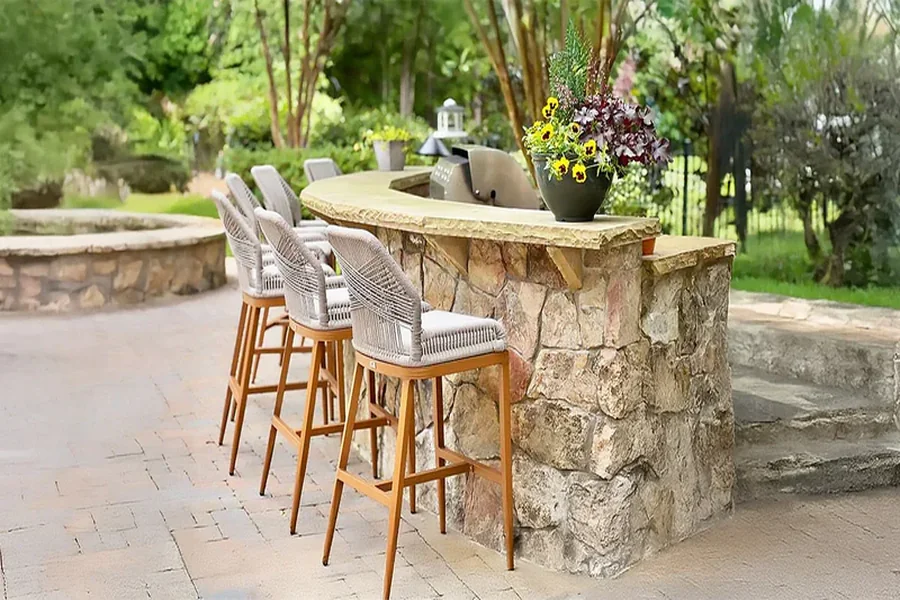
Backyards are no longer quiet, forgotten spaces sitting behind the house. They are becoming extensions of the home, places where people gather, entertain, relax, and even work. Over the past few years, homeowners have started to think about outdoor areas the same way they think about interior design. Comfort, layout, and visual impact now matter just as much outside as they do inside.
Within this shift, one piece of furniture has quietly taken center stage. Quality outdoor bar stools are no longer just a supporting element placed around a counter. They are becoming the focal point of backyard design. Their height, presence, and versatility allow them to shape how people move, interact, and experience the space.
Elevated Living, Literally and Visually
Height is a powerful design element. When seating is raised, it conveys a sense of importance and organization. Adding outdoor bar stools to your backyard layout adds vertical layers, which helps the space feel more alive and planned right away.
Bar seating elevates part of the experience, rather than having everything happen at the same level. This serves as a visual anchor, especially when it’s next to an outdoor bar, kitchen island, or high-top table. This vertical contrast can make a space appear more planned and less flat, even in modest yards.
People who own homes are starting to realize that height influences how things look. Adding bar stools to a modest patio can make it feel like a rooftop club. It’s not about size or funding; it’s about how the space is used.
The Social Gravity of Bar-Height Seating
People behave differently when they sit at bar height. Conversations feel more open, more fluid, and more interactive. There is a reason bars and high-top tables have been used in hospitality settings for decades. They encourage connection without forcing formality.
In backyard settings, this same principle applies. Bar stools create a natural gathering point where guests can sit, stand, lean, and move freely. Unlike traditional dining chairs, they do not lock people into one position for long periods.
- Guests tend to rotate in and out of bar seating more naturally
- Conversations become more dynamic and less segmented
- The space feels more casual and welcoming without losing structure
As outdoor entertaining continues to grow, this kind of flexibility is becoming essential. Homeowners are designing spaces that adapt to different moods, from quiet evenings to lively gatherings.
Outdoor Kitchens Are Driving the Shift
The rise of outdoor kitchens has played a major role in the popularity of bar stools. Grills have evolved into full cooking stations, complete with prep areas, sinks, refrigerators, and serving counters. Once these features are installed, the need for elevated seating follows naturally.
Bar stools allow guests to stay close to the action without crowding the cook. They create a clear boundary between the working and social areas while still keeping everything connected.
Statistics show that outdoor kitchen installations have grown steadily, with some reports indicating that over 60 percent of homeowners upgrading their outdoor spaces now include a cooking or bar area. As these setups become more common, bar-height seating becomes less of an option and more of a requirement.
Materials That Handle Real Life
One of the reasons outdoor bar stools are gaining attention is the improvement in materials. Today’s designs are built to handle sun exposure, moisture, temperature swings, and daily use without losing their appeal.
Modern outdoor bar stools often feature:
- Powder-coated aluminum frames that resist rust and corrosion
- High-density polyethylene or synthetic wicker that withstands UV exposure
- Treated wood finishes that balance natural aesthetics with durability
These materials allow homeowners to invest in pieces that look refined but still perform under real conditions. Durability is no longer a trade-off against style. Instead, it is part of the design.
This matters because outdoor spaces are being used more frequently. Furniture needs to hold up not just seasonally, but daily.
A Shift Toward Lounge-Inspired Backyards
More and more, people are turning their backyards into lounges, resorts, and other social spaces. This trend isn’t just about how things look; it’s also about how they feel. People want their outside spaces to feel like somewhere to go, not just extra room.
Bar stools enhance this mood in a subtle yet strong way. Their presence makes it seem like a good place to meet up, take a break, and have a drink or talk. They make a rhythm in the area that tells people how to walk and where to sit.
Many homeowners are creating multiple zones rather than just one central dining table. There is a bar area, a dining space, and a lounge area. The bar area is often the most busy element of the arrangement.
This zoning method shows how people actually use their places. It also looks like a well-designed commercial space.
Flexibility That Matches Modern Lifestyles
Modern living is less predictable than it used to be. Spaces need to adapt quickly, and furniture plays a key role in that flexibility. Outdoor bar stools are easy to reposition, work with different surfaces, and suit a wide range of uses.
They work just as well for:
- Morning coffee at a backyard counter
- Casual meals without a formal dining setup
- Evening gatherings with friends and family
Because of their height and structure, they can also double as visual dividers. Placing a row of bar stools along a counter or ledge can subtly define the boundaries of a space without adding walls or partitions.
This adaptability is one of the reasons they are becoming central rather than secondary. They do more than provide seating; they shape how the space functions.
Design as a Statement, Not Just Support
There was a time when outdoor furniture was purely practical. Today, it is an expression of personal style. Bar stools are often designed with clean lines, bold finishes, and distinctive silhouettes that make them stand out.
Whether it is a sleek metal frame with a matte black finish or a warm wood design with natural grain, these pieces can define the look of the entire backyard. They are no longer hidden behind tables or tucked into corners. They are meant to be seen.
This shift reflects a broader change in how people think about outdoor living. Design is no longer reserved for interiors. The backyard is now part of the home’s overall aesthetic story.
Looking Ahead: The Future of Outdoor Gathering Spaces
As backyard architecture changes, the importance of outdoor bar stools is expected to grow even more. As more people spend money on their outdoor spaces, the focus will shift to items that are useful, long-lasting, and good-looking.
Future designs might use smarter materials, better ergonomics, and even built-in functionality like heating or lighting. The goal will still be to make environments that are welcoming, flexible, and easy to remember.
Outdoor bar stools have been shown to hold a space together and be used for many different purposes. They bring people together, mark off spaces, and make being outside even better.
They are, in many ways, a simple notion that was carried out beautifully. You improve the experience by raising the seating.