
Why Regional Origin Has Become the New Standard for Specialty Coffee Buyers
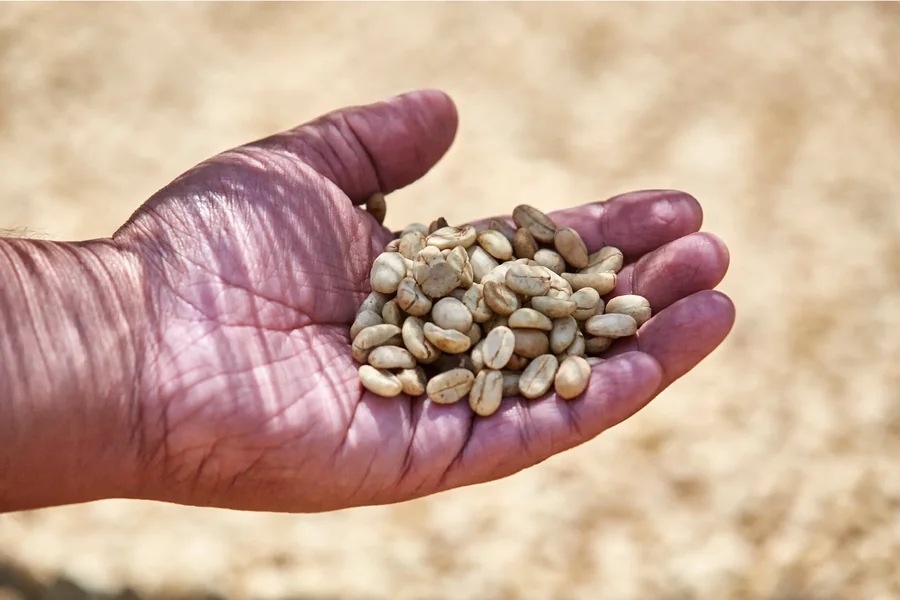
Coffee culture has changed considerably over the past decade, moving well past the simple question of dark roast versus light roast toward something closer to how serious wine buyers think about their purchases. Origin now matters. Buyers increasingly want to know not just that their coffee is good, but where it actually came from, and that shift has reshaped what “specialty coffee” even means to a growing segment of consumers who no longer take sourcing claims at face value.
Why Origin Has Become the New Marker of Quality
A generic bag of coffee, blended from beans sourced across multiple regions and roasted for consistency rather than character, still dominates supermarket shelves. But a meaningful and growing segment of buyers has moved past that model entirely, seeking out coffee that can be traced to one specific growing region, ideally one specific farm, with a clear story about how it was grown, harvested, and roasted.
This shift mirrors what happened in other food and drink categories over the past two decades. Wine drinkers learned to care about specific vineyards. Chocolate enthusiasts learned to care about specific cacao-growing regions. Coffee has followed the same trajectory, with origin now functioning as a genuine quality signal rather than a marketing flourish.
What Makes Hawaiian Coffee Such a Distinctive Case
Few regions illustrate this origin-driven shift better than Hawaii’s Kona district, where volcanic soil, consistent rainfall, and specific elevation conditions combine to produce coffee with a genuinely distinctive flavour profile. Because genuine Kona coffee can only be grown within this relatively narrow geographic area, it carries an inherent scarcity that few other coffee regions can claim, which has made it a particularly strong example of origin-driven appeal within the broader specialty coffee market.
This scarcity isn’t manufactured for marketing purposes, it’s a straightforward function of geography and climate that no amount of clever branding could replicate elsewhere.
Why Farm-Direct Sourcing Changes the Experience
Beyond geography, how a coffee is sourced affects both its quality and the story a buyer can tell about their purchase. Farm-direct coffee, grown, harvested, and roasted by the same operation rather than passing through multiple layers of brokers and distributors, tends to arrive fresher and carries a much clearer, more verifiable connection back to its actual origin.
This directness matters increasingly to buyers who have grown wary of vague sourcing claims on packaging that promise premium quality without offering any specifics to back it up.
How This Shift Has Changed Gift-Giving and Everyday Purchasing
This growing appreciation for origin hasn’t stayed confined to serious coffee enthusiasts. It has increasingly shaped everyday purchasing decisions and gift-giving as well. A traceable, single-estate coffee makes for a considerably more distinctive gift than a generic supermarket blend, since it carries a specific, tellable story rather than existing as an anonymous product with no discernible origin.
What to Look for When Choosing a Genuinely Premium Coffee
Not every product marketed as premium or single-origin actually delivers on that promise, which makes it worth knowing what to actually look for. Clear information about the specific farm or estate, transparency about growing and roasting practices, and consistency in how a brand describes its sourcing are all reasonable signals that a product is what it claims to be.
Buyers exploring genuinely traceable options often find that Kona Coffee sourced directly from a single Hawaiian estate offers exactly this kind of transparency, giving buyers a clear, verifiable story behind the product rather than vague claims of quality without specifics to support them.
Where This Trend Is Likely Headed
As more buyers become accustomed to expecting genuine origin information from the products they purchase, it seems likely that this scrutiny will only deepen rather than fade, extending well beyond coffee into other food and drink categories where sourcing claims have historically gone unquestioned.
Frequently Asked Questions
Why has coffee origin become such an important factor for buyers? Origin now functions as a genuine quality signal, similar to how wine buyers evaluate specific vineyards, giving buyers a traceable story rather than relying on vague marketing claims.
What makes Kona coffee specifically distinctive? Kona coffee can only be grown within a relatively narrow region of Hawaii’s Big Island under specific volcanic soil and climate conditions, giving it a genuine scarcity few other regions can claim.
Why does farm-direct sourcing matter for coffee quality? Farm-direct sourcing reduces the layers between grower and buyer, typically resulting in fresher coffee and a clearer, more verifiable connection to how and where it was actually grown.
How has origin-driven coffee changed gift-giving habits? Traceable, single-estate coffee has become a popular gift choice because it carries a specific, tellable story, making it feel more considered than a generic blend.
What should buyers look for to confirm a coffee is genuinely premium? Clear, specific information about the farm or estate of origin, transparency about growing and roasting practices, and consistency in how sourcing is described are reasonable signals of a genuinely traceable product.