
4 Situations Where Fiber Optic HDMI Is the Only Cable That Works
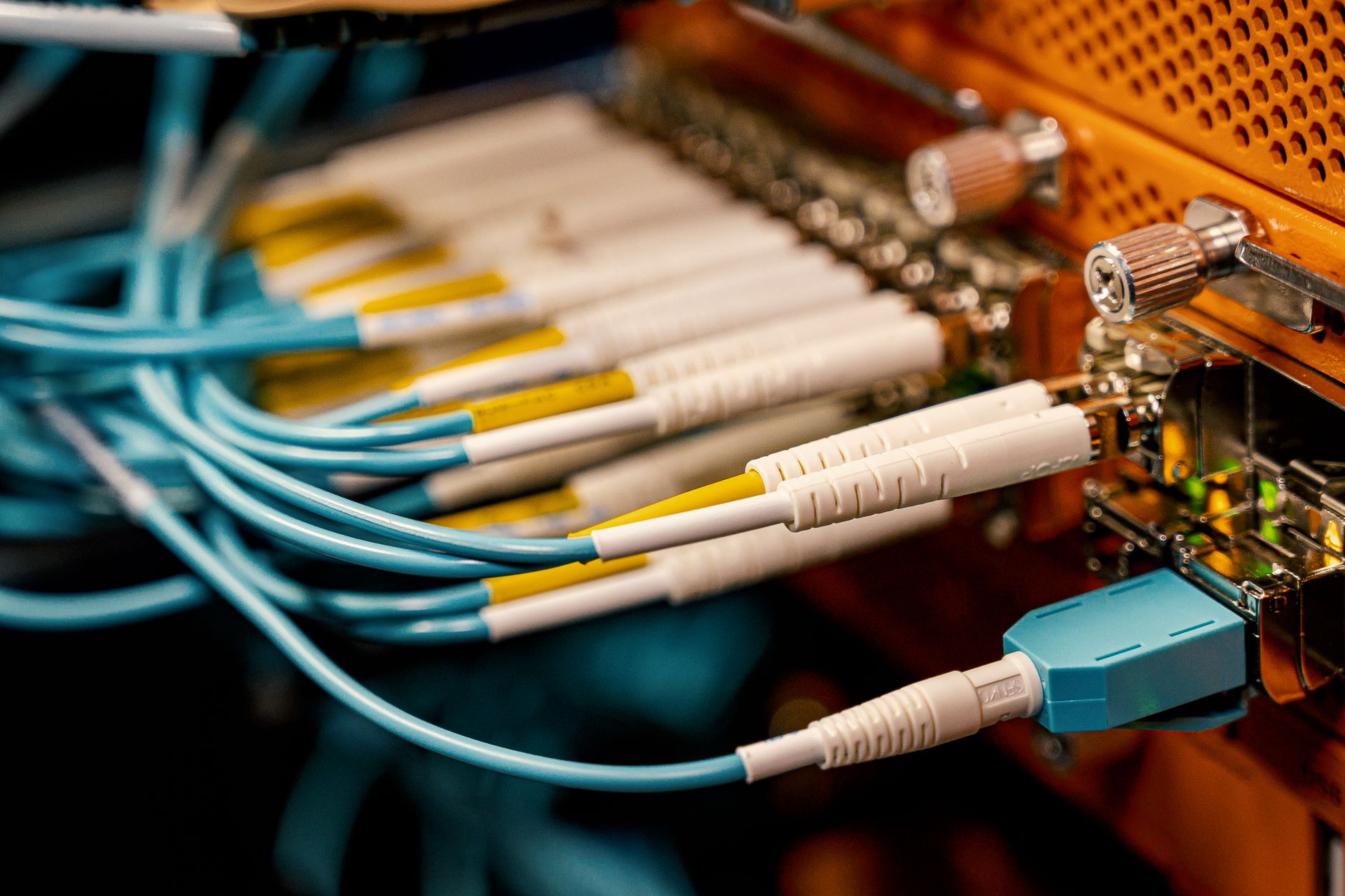
Long HDMI runs expose weaknesses that short connections hide. As distance increases, copper conductors lose signal, hit installation limits, and face interference from nearby equipment. Fiber optic HDMI converts electrical data into light, preserving high-bandwidth video across distances that challenge ordinary cables. The right choice depends on the setting, the required resolution, and the cable route. Four situations make this technology the practical answer, from long-distance home theater installations to professional AV systems.
A cable choice matters most when replacement requires opening walls, lowering ceilings, or removing installed equipment. In those settings, fiber optic HDMI protects signal continuity over a long run, while its optical path reduces electrical interference. The approach also suits 48Gbps video applications, where stable transmission matters more than a tidy short patch cable. Length planning remains essential before installation.
1. Long-Distance Projector Home Theaters
Home theaters often place a projector behind seating while the source equipment sits inside a cabinet near the screen. That layout creates a long route through a ceiling, wall, or conduit, where ordinary copper HDMI cables lose signal strength as distance increases.
Fiber optic HDMI carries data as light through glass fibers, avoiding the electrical loss associated with long copper conductors. The result is dependable transmission for high-resolution video and multichannel audio across extended runs.
Wireworld’s inspected collection lists 5-, 10-, 15-, 20-, and 30-meter lengths. Homeowners should measure the finished route, then add enough extra length for bends, service access, and future equipment changes.
2. Electrically Noisy Installations
Industrial control rooms, broadcast spaces, and commercial equipment racks can place HDMI cables beside power supplies, motors, lighting circuits, or dense data cabling. Copper conductors can pick up electromagnetic interference, producing sparkles, dropouts, or a blank screen when the route lacks enough separation.
An optical path carries the HDMI signal as light instead of an electrical current through the cable. That separation removes the cable’s role as a conductive path for interference, making fiber suitable near equipment that creates electrical noise. Installers still need to follow normal bend and connector-care practices.
This situation matters in a rack where a replacement run would require moving several devices. A fiber optic HDMI cable keeps the connection isolated without requiring a different equipment layout or a shorter signal route.
3. In-Wall & Plenum Cable Routes
A permanent installation has different requirements than a temporary connection. Cable runs above a ceiling or inside a wall need an appropriate jacket rating, clear routing, and enough length to reach service points without tight bends. Fiber optic HDMI cables listed for in-wall and plenum use fit projects where fire-safety requirements govern cable selection.
Copper cables can work for short exposed runs, but an inaccessible route raises the cost of failure. If a signal drops after drywall closes, troubleshooting requires more labor and sometimes construction work. Choosing the cable type before installation prevents a distance or interference problem from becoming a building-access problem.
The installer should confirm the route, measure its completed length, and verify connector access before pulling cable. These checks matter because optical cables are purpose-built connections, not a generic replacement for every HDMI application.
4. High-Bandwidth Video Over Extended Distances
New video systems can push more data through one HDMI connection, especially when a display or projector needs a high-resolution signal with full audio support. A cable that works for a modest format can fail when bandwidth rises, even if the connectors fit and the route stays unchanged.
The inspected collection states a 48Gbps data rate for next-generation video applications. Fiber optic HDMI handles that traffic by converting the electrical signal to light, then back to electricity at the receiving end. This method preserves signal integrity across longer cable lengths.
This situation suits a projector, display wall, or high-end home theater that must support current equipment and later upgrades. Before purchase, the system designer should confirm the required resolution, cable length, and installation rating. Those checks match the cable with the signal rather than relying on connector appearance alone.
Conclusion
Fiber optic HDMI becomes the practical choice when distance, electrical noise, building codes, or bandwidth exceed copper’s useful limits. Start with the finished route and required video data rate, then confirm length, jacket rating, and connector access. A careful measurement prevents costly rework, especially inside walls or ceilings. For a new installation, choose the cable length with service slack and verify every equipment requirement before closing the route.