
A Character With a Secret: Memorable NPCs for Tabletop Games and Interactive Stories
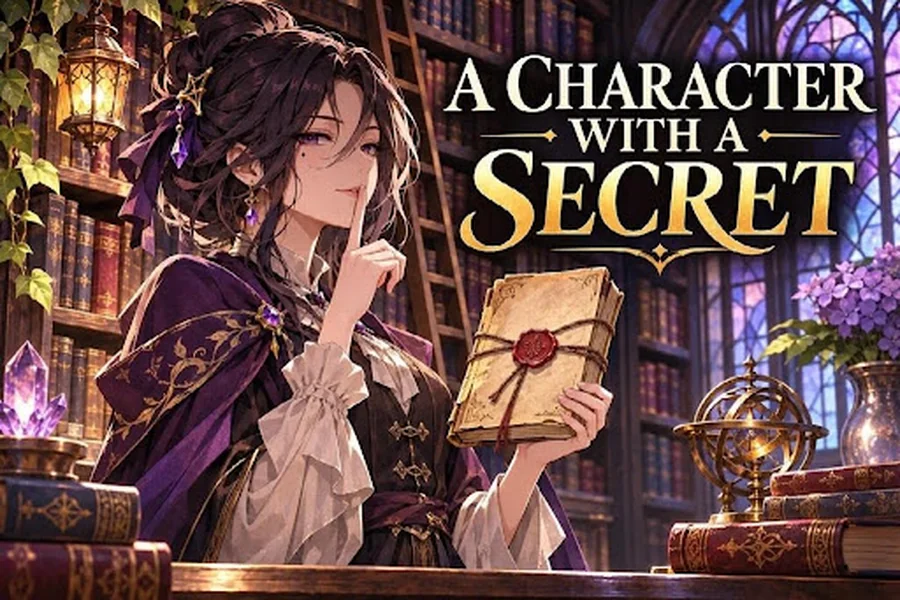
The player enters a small bookshop looking for a map. The shopkeeper says she has never seen it, but her hand moves toward a locked drawer when the map is mentioned. Suddenly, an ordinary exchange has become a question: what does she know, and why is she hiding it?
A memorable non-player character, or NPC, needs a reason to act. A portrait can help players recognize the character, and an AI anime generator offers one way to explore an anime-style visual concept. The details that make the character useful in a story, however, come from their goals, decisions, and relationships with the people around them.
For tabletop games, interactive fiction, and original stories, a practical place to begin is with three layers: what others see, what the character wants, and what they are keeping private.
An NPC Needs a Role in the Story
An NPC does not need a ten-page biography to be interesting. They do need a reason to be in the scene.
A guard might protect a gate. A merchant might have information the players need. A neighbor may know why the lights are always on in an abandoned building. These roles become more engaging when the character has a goal that exists beyond helping the player.
The guard wants to keep a job. The merchant wants to recover a stolen item without admitting it was stolen from them. The neighbor wants peace and quiet but is worried about a friend.
Those goals can create cooperation or conflict. A player might persuade the guard, offer the merchant a deal, or earn the neighbor’s trust. The scene has room to move because the NPC is responding to something that matters to them.
Give the Character Three Layers
The following bookshop example is a fictional design exercise. It shows how a few connected details can create possibilities for interaction.
| Layer | Question | Example |
| Public identity | What do people notice first? | A polite keeper of an old bookshop |
| Goal | What does the NPC want? | To recover a missing manuscript |
| Secret | What are they reluctant to reveal? | They know who took it and once helped them |
These layers should connect, but they do not have to produce a dramatic reveal immediately. The shopkeeper may answer routine questions politely while avoiding any mention of the manuscript. Her secret becomes relevant only when the players approach the subject.
A secret should also have a reason. Perhaps she is protecting a sibling, fears losing her business, or believes the manuscript is dangerous. Without that motivation, secrecy can feel like a device added only to delay the plot.
Decide What the NPC Will Do
A secret becomes useful when it affects behavior.
In the bookshop example, the NPC might offer the players a different book to move the conversation away from the manuscript. If asked directly, she could admit that she has heard of it but deny knowing its location. If the players reveal information that threatens the person she is protecting, she may close the shop or ask them to leave.
These responses do not require a script for every possible conversation. A short note about the NPC’s priorities is often enough:
- Wants: Recover the manuscript without exposing her sibling.
- Fears: The manuscript will reach someone who intends to use it.
- Will offer: Access to old records in exchange for help.
- Will not do easily: Reveal her sibling’s identity to strangers.
If players take an unexpected route, the person running the game can return to those priorities and decide how the NPC would respond.
Turn Personality Into Visual Clues
A portrait cannot communicate every part of a backstory, but it can give players something to notice.
The bookshop keeper might wear ink-stained gloves, suggesting regular work with old documents. A key on a plain cord may connect her to the locked drawer. A carefully repaired coat could hint that the shop is important to her even if it is not prosperous.
Choose details that fit the character’s life. Adding a glowing necklace, a mysterious tattoo, an ornate weapon, and a magical pet may make an image visually busy without explaining who the NPC is.
One strong detail can invite a question. If the portrait shows a key, the player may ask what it opens. The answer can be ordinary, misleading, or central to the story; the image creates an opportunity for interaction.
Make a Portrait That Supports the Character
Once the role and motivation are clear, write a concise visual brief. Include the setting, the character’s approximate age, clothing, expression, and one or two distinctive objects.
For example:
“Anime-style portrait of an adult bookshop keeper in a quiet old shop, wearing a dark green coat with repaired cuffs, holding a small brass key, cautious expression, shelves of worn books behind her.”
This is a starting prompt for a fictional character. It does not guarantee a particular result, and the creator may need several attempts to find an image that matches the idea.
An OC maker can help explore different versions of the design. Compare the outputs against the written brief: does the character look like someone who runs this shop? Is the key visible? Does the expression fit the situation without making the secret too obvious?
When an image is close but not quite right, identify the specific problem. “Make it better” provides little direction. “Remove the sword and keep the brass key visible” is a more useful revision.
Plan for Different Player Choices
A character feels more responsive when their behavior changes with the situation. That does not mean every interaction must lead to a separate storyline.
Consider three possible approaches to the shopkeeper:
- The players ask politely. She offers general information but avoids discussing her sibling.
- The players threaten her. She ends the conversation and tries to protect the drawer.
- The players offer credible help. She shares part of the truth and asks them to find the manuscript.
These are possibilities, not mandatory outcomes. The person running the game can adjust them as the story develops. If the players have already earned the shopkeeper’s trust, her response may differ from the one written in the initial notes.
It is also useful to decide what happens if the players walk away. Perhaps the shopkeeper searches for the manuscript herself, or another interested party visits the shop. The world can continue moving without forcing the players to follow one path.
Keep a Small NPC Reference Sheet
A compact reference sheet makes it easier to bring the character back later.
| Field | Notes to keep |
| Name and role | How the NPC introduces themselves |
| First impression | Appearance, manner, and setting |
| Goal | What the character wants now |
| Secret or concern | What they avoid discussing and why |
| Visual clue | A recognizable object or clothing detail |
| Possible responses | How they react to trust, pressure, or help |
| Story connection | How their actions could affect the current situation |
If the NPC appears repeatedly, add notes about what happened in previous encounters. A character who was threatened should not automatically greet the same players as if nothing happened unless there is a reason.
When the Portrait and Story Do Not Match
Sometimes an appealing generated image suggests a character very different from the one you planned. You have two choices: revise the portrait or reconsider the character.
A cheerful expression may not suit a guarded shopkeeper, but it could inspire someone who hides anxiety behind warmth. A shopkeeper with an unexpected military coat might have an earlier career worth exploring. The decision depends on whether the new detail strengthens the story.
You can also keep the original character idea and generate again. A striking portrait is useful only if it serves the role you want the NPC to play.
The most memorable character may begin with a face, a key, or a single secret. What makes that character last is what happens when another person asks a difficult question—and the NPC has a reason to answer, refuse, or change their mind.