
6 Benefits of Entering Assisted Living
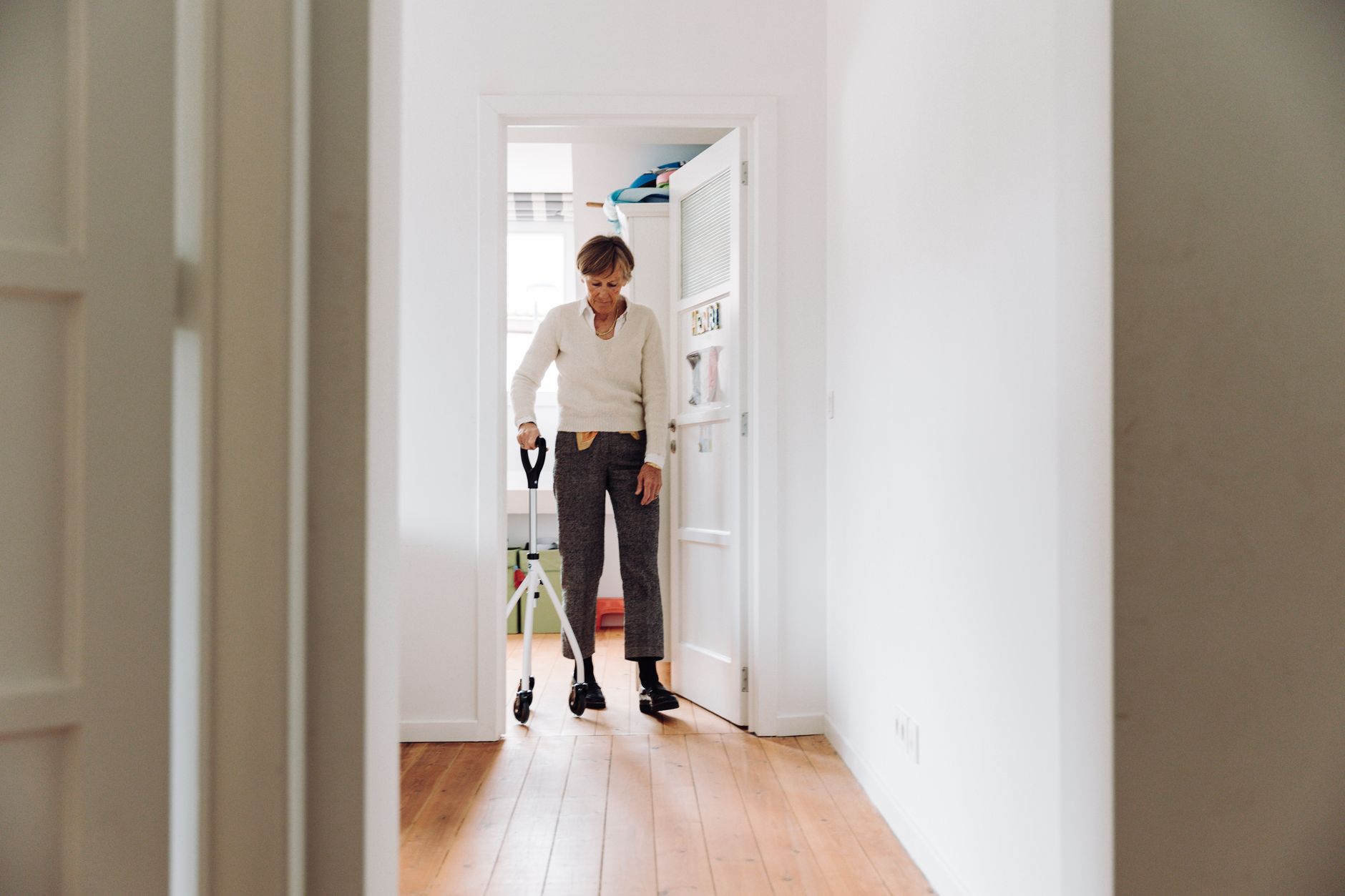
Assisted living rattles people. Genuinely. Leaving a longtime home stirs up dread — about identity, about control, about what the move signals to the world. And yet these communities occupy a middle ground. Not full independence, not a nursing ward. They fold housing, services, and social life into a single setting. Understanding what you’re actually signing up for cuts through the noise fast.
Enhanced Safety and Accessibility
Safety tips the scale first — almost always. These facilities are built specifically for older bodies. Grab bars, roll-in showers, emergency call systems, corridors wide enough for walkers and wheelchairs. Staff train for rapid emergency response; they’re around precisely because falls don’t announce themselves. Most communities run 24-hour coverage and schedule regular safety inspections. For families losing sleep over a parent living alone? That constant presence isn’t a luxury. It’s the whole point.
Professional Health and Medication Management
Multiple prescriptions are genuinely hard to juggle. Missed doses happen. Doubled doses happen. Wrong timing happens. Assisted living staff manage medication schedules, coordinate appointments, and watch for day-to-day shifts in a resident’s condition — flagging changes directly to the healthcare team when something looks off. For anyone navigating chronic conditions or cognitive decline, that professional oversight isn’t just convenient. It’s protective. And it hands back the mental energy that self-managed care quietly devours.
Social Connection and Community Engagement
Loneliness is a health threat. Not a metaphor — an actual threat. Older adults living alone often go days without real human contact. Assisted living flips that. Shared meals, group activities, clubs, day trips — the social infrastructure exists already. Friendships form. Real ones. Research consistently links regular social engagement to better mood, sharper cognition, and higher life satisfaction overall. Assisted living in Chico, CA shows how Northern California communities design shared programming and communal spaces around exactly this kind of peer connection. Residents get genuine community, without the grind of maintaining a household to access it.
Relief from Household Maintenance and Chores
Running a house is exhausting. Even for younger people. Yard work, repairs, cleaning, laundry — none of it shrinks with age; it just gets harder. Assisted living removes it entirely. Staff handle all of it. Hours of weekly effort returned. Redirected toward hobbies, rest, the people residents actually want to spend time with. The physical relief alone matters — aging bodies aren’t meant to be ground down by domestic upkeep. For someone who’s spent fifty years maintaining their own home, handing those tasks off can feel like setting down something very heavy.
Nutritional Support and Dining Services
Nutrition gets harder to manage as people age. Cooking demands planning, shopping, standing, energy — all of which grow trickier over time. Assisted living communities provide regular, professionally prepared meals, nutritionally balanced and tailored to residents’ medical needs, cultural backgrounds, and personal preferences. Dining rooms double as social spaces. Meals become occasions. Actual occasions, not solitary tasks. Consistent, proper nutrition directly reduces the risk of malnutrition and diet-related complications — problems that quietly derail the health of older adults living alone far more often than most families realize.
Flexible Support for Activities of Daily Living
Not everyone entering assisted living needs the same help. That’s the whole idea. Some residents need light assistance with bathing or dressing. Others need more. Support scales to match the individual — no more, no less. Existing capabilities stay intact. As needs shift, care adjusts accordingly, letting residents remain in the same community rather than uprooting again. Staff approach personal care with genuine respect for dignity and autonomy. Done right, it doesn’t feel like surrender. It feels like having the right kind of backup at the right moment.
Conclusion
This is a deeply personal decision. Circumstances vary. Health needs vary. But the advantages above address real, concrete challenges — safety risks, isolation, the grind of household management, the complexity of self-managed care. Many residents discover that assisted living isn’t a retreat from independence. It’s a trade. Fewer burdens, more room for what actually matters. Professional support, genuine community, thoughtfully designed spaces — together, they give older adults a real shot at dignity and quality of life through the years ahead.