
Why Ornamental Fencing Keeps Winning Over Commercial Property Owners in South Florida?
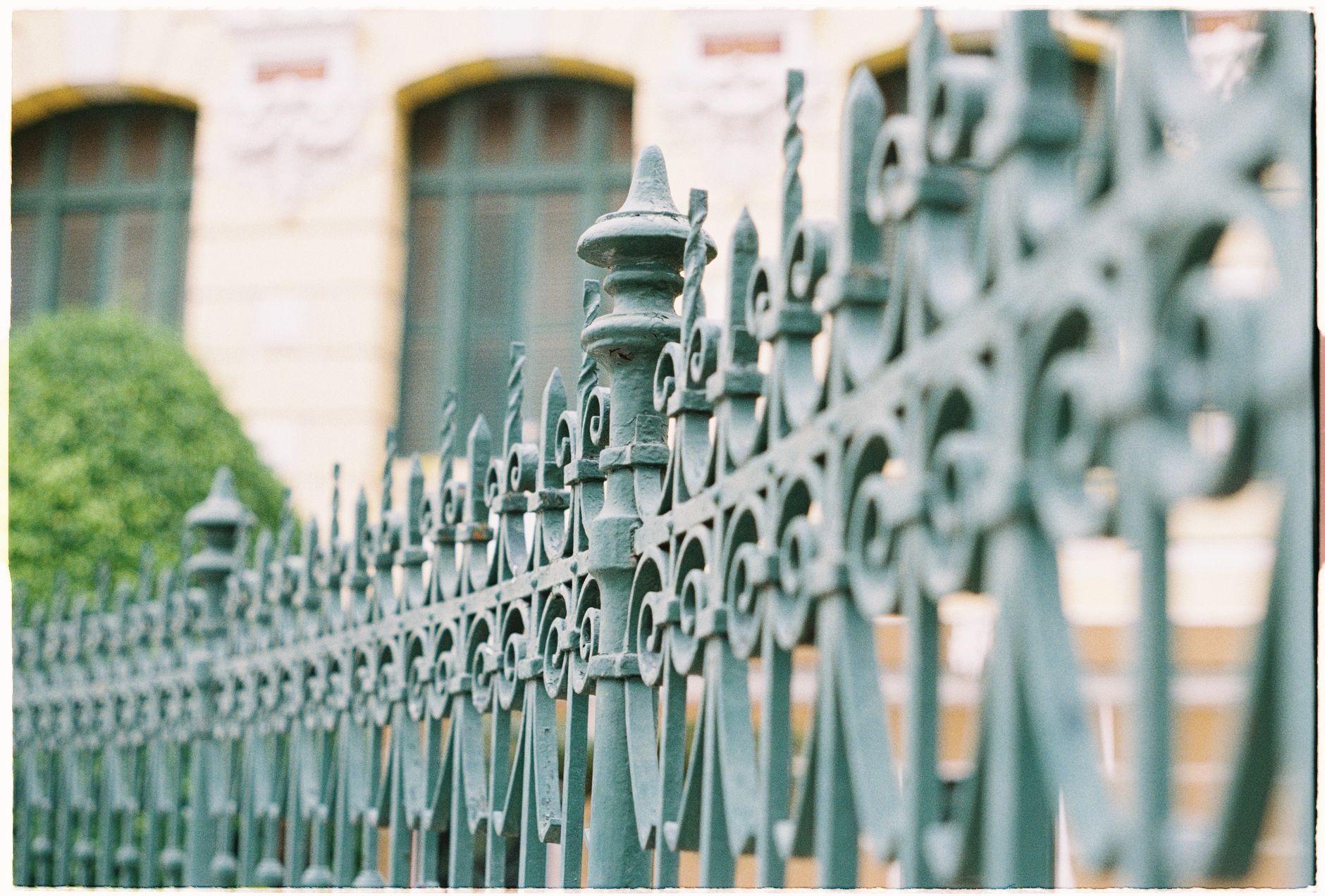
Walk through any business district in South Florida, and you will notice a pattern. The properties that look cared for almost always have a clean, upright metal fence along the perimeter. Not chain link. Not a tired wood privacy wall with warped boards. A proper ornamental fence with straight pickets, solid posts, and a finish that still looks sharp after years of sun and salt air.
There is a reason for that. Ornamental fencing solves several problems at once for a commercial property, without making the place feel like a storage yard. If you manage an office park, retail plaza, condo association, school, or industrial site, this is one of the few upgrades that improves security and curb appeal in the same move. This post breaks down what ornamental fencing actually does for a commercial site, what to look for in the materials, how installation works, and the mistakes that cost property owners money down the road.
What is Ornamental Fencing Really Is?
Ornamental fencing is metal fencing built from vertical pickets attached to horizontal rails, usually in aluminum or steel. People often call it wrought iron fencing, though true wrought iron is rare these days. Most modern commercial installs use powder-coated aluminum because it holds up to coastal weather without rusting out.
The look is open. You can see through it. That is the point. A solid wall blocks sightlines in both directions, which sounds good until you realize it also hides anyone who climbs over it. An open picket fence lets staff, cameras, and passing patrol cars see the whole perimeter while still marking a hard boundary.
The Security Argument
Security fencing works in layers. The fence itself is the first layer, and its job is to slow people down and make entry obvious.
Ornamental fencing does this well for a few reasons:
- Height and spacing. Commercial installs commonly run six to eight feet tall, with pickets spaced close enough that nobody can slip between them. Taller sections are available for sites that need them.
- No easy footholds. Chain link is basically a ladder. Wood has rails you can step on. A properly built ornamental fence has smooth vertical pickets with nothing to grip, and many commercial designs use spear-top or triple-picket-top sections that make climbing a genuinely bad idea.
- Strength at the posts. Most fence failures start at the post, not the panel. Commercial-grade systems use heavier wall thickness and deeper footings, which matters a lot when a delivery truck backs into a corner post at low speed.
- Visibility for cameras. If you have invested in surveillance, a fence that blocks the camera view defeats the purpose. Open pickets let your system actually do its job.
The Appearance Argument
Here is the part that gets underrated. A fence is often the first thing a customer, tenant, or inspector sees. It frames the property. Ornamental fencing reads as permanent and professional. The clean vertical lines work with almost any architecture, from modern stucco office buildings to older Mediterranean-style properties. Black is the most common finish because it recedes visually and makes landscaping pop, but bronze, white, and custom colors are all available.
Compare that to the alternatives. Chain link says warehouse. Wood says residential, and in humid climates it says maintenance headaches. Ornamental metal says the owner takes the property seriously. For retail and multifamily properties, that impression has a dollar value. Tenants pay more for a site that looks secure and well-kept—appraisers notice. Insurance carriers sometimes notice too.
Material Choices That Matter in a Coastal Climate
South Florida is hard on metal. Salt in the air, heavy rain, intense UV, and hurricane season all work against anything installed outdoors. Aluminum is the default choice for most commercial projects here. It does not rust. Pair it with a quality powder coat finish, and the fence will hold its color and surface for decades with almost no upkeep. It is lighter than steel, which makes installation faster, and modern commercial-grade aluminum is plenty strong for perimeter use.
Steel is heavier and offers more impact resistance, which makes sense for industrial sites, vehicle gates, or anywhere the fence is likely to take a physical hit. Steel needs a good galvanized base and a protective coating to survive coastal conditions. Skip that step, and you'll see rust streaks within a few seasons. Finish quality is where cheap fences give themselves away. A thin coat applied over poorly prepped metal chips and fades. A proper multi-stage powder coat process bonds to the surface and resists chalking under constant sun. Ask about the coating warranty. A company confident in its product will offer a long warranty in writing.
Gates, Access, and Code Requirements
Commercial sites almost always need more than a straight run of fence. Vehicle gates, pedestrian gates, panic hardware, keypads, card readers, intercoms, and sometimes automated operators must integrate with the fence line. This is where planning matters. Gate posts carry far more load than line posts, especially with a powered slide or swing gate hanging on them. They need larger footings and heavier material.
Retrofitting an automated gate onto an undersized post is a repair call waiting to happen. Permitting is the other piece. Municipalities across South Florida have their own rules on fence height, setbacks, corner visibility triangles, wind load engineering, and, where applicable, pool barrier compliance. HOA and condo boards often layer on architectural standards.
A contractor who handles this regularly will know what each jurisdiction wants and will pull the permits instead of leaving them on your desk. If you are weighing contractors, the ones who bring up permitting and engineering early are usually the ones worth hiring. Experienced crews handling commercial ornamental fence installation will walk the property, check the survey, flag the code issues, and give you a layout before anyone digs a hole.
Mistakes That Cost Money Later
Buying residential-grade material for a commercial site. Lighter panels and thin posts save money upfront and fail under commercial traffic and weather.
- Shallow footings. Hurricane country is not the place to cut concrete depth.
- Ignoring grade. On sloped ground, panels either need to rack with the slope or step down in sections. Done wrong, you end up with gaps at the bottom big enough to crawl through.
- Skipping the survey. Building on a neighbor's property is an expensive mistake to undo.
- Choosing on price alone. The lowest bid often leaves out permits, engineering, correctly sized gate posts, or a real warranty.
The Maintenance Reality
This is the easy part. A quality powder-coated aluminum fence needs very little. Rinse it a couple of times a year to clear salt and dirt. Check gate hinges and latches for smooth operation. Touch up any deep scratches so bare metal is not exposed. Look over the posts after a major storm. That is close to the whole list. Compared to repainting wood or replacing bent chain link, the long-term cost difference adds up fast.
Is It the Right Call for Your Property?
If you need a boundary that deters intruders, survives coastal weather, looks appropriate in front of paying customers, and does not demand constant attention, ornamental metal is hard to beat. The upfront cost is higher than chain link. The lifetime cost usually is not.
Start with a site walk and a written scope. Ask about material gauge, coating specs, footing depth, permit handling, and warranty terms. Get the answers in writing. A good contractor will not blink at any of those questions. A perimeter is one of the few investments that pays you back every single day in how your property is perceived and how secure it actually is. Worth doing once, and doing right.