
What Los Angeles Homebuyers Should Check Beyond Square Footage
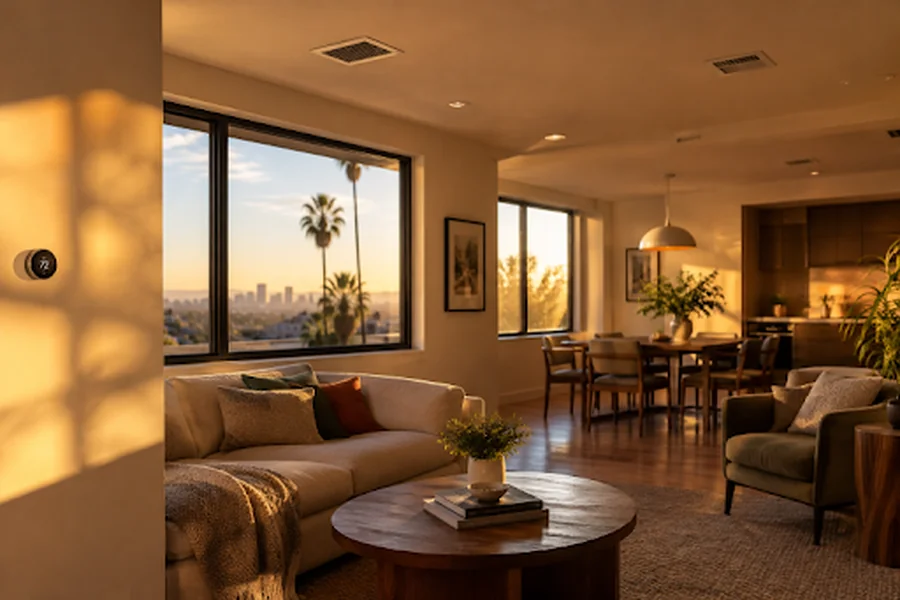
Square footage is an easy number to compare, but it does not tell a buyer how a home will feel, perform, or what it will cost to own. A well-planned smaller home can be more comfortable and practical than a larger property with outdated systems, poor storage, and high maintenance costs. Buyers working with Carolina Kramer can benefit from considering the full ownership picture before deciding what a home is truly worth.
In Los Angeles, that picture includes utility use, water efficiency, insurance considerations, heat management, electrical capacity, drainage, and the condition of major systems. The best home is not simply the biggest one within budget. It is the one that fits daily life while limiting avoidable surprises after closing.
Why Square Footage Tells Only Part Of The Story
Two homes with the same reported size may function very differently. Long hallways, oversized formal rooms, limited closets, low natural light, or an awkward kitchen can reduce usable space. During a tour, think about the routines that matter most: working from home, hosting guests, storing equipment, caring for children, or creating quiet space. Flexible rooms, sensible circulation, daylight, and storage often have more daily value than extra square footage alone.
Look At The Full Monthly Cost
The mortgage payment is only one part of housing costs. Compare expected property taxes, homeowners insurance, HOA dues, electricity, gas, water, sewer service, landscaping, pool care, and routine maintenance. Then consider major replacements that could be needed soon, including the roof, water heater, HVAC equipment, appliances, or drainage work.
For example, a lower-priced home may appear to be the better deal but become more expensive each month if it has single-pane windows, an aging air conditioner, thirsty landscaping, or a roof near the end of its service life. Ask the seller for 12 months of utility bills when available, and use the information to compare similar homes on a more realistic basis.
Check The Home’s Energy Performance
Comfort and energy use depend on how the house manages heat, sunlight, and air movement. Look at attic insulation, visible air leaks, window condition, exterior shading, ductwork, and the age and service history of heating and cooling equipment. A home that stays unevenly hot or cold from room to room may need more investigation than a thermostat adjustment.
Also review the electrical panel and available capacity. This matters when a buyer may later add an EV charger, induction range, heat-pump water heater, heat-pump HVAC system, or battery. If the property has solar panels, confirm whether they are owned, financed, or leased, and request the agreement, production history, warranties, and transfer terms. Local programs and rebates can change, so buyers should review current residential programs and rebates before treating an incentive as part of their purchase calculation.
Review Water-Saving Features
Water use deserves the same attention as energy use. Look for leak-free plumbing, low-flow showerheads and faucets, efficient toilets, drip irrigation, drought-tolerant planting, and irrigation controllers that can be adjusted for weather and season. The EPA’s WaterSense-labeled products include toilets, showerheads, and irrigation controllers designed to help households use water more efficiently.
Walk the exterior with an eye for practical maintenance. Check whether irrigation lines are exposed, planting beds are overgrown, hardscape directs water toward the home, or a pool has equipment that needs servicing. A simple leak detector near a water heater, laundry area, or under-sink supply line can also provide early notice of a problem.
Separate Useful Smart Tech From Gimmicks
Connected features should be evaluated for usefulness, not novelty. Smart thermostats, leak sensors, energy monitors, security cameras, automated shades, smart locks, and EV charging equipment can be helpful when they are properly installed and easy to control. They can be less valuable when they require an expensive subscription, cannot be transferred to a new owner, or depend on outdated hardware.
Questions To Ask About Connected Devices
- Which devices remain with the property?
- Will the buyer receive account access, manuals, and passwords at closing?
- Does the equipment work manually if the internet is unavailable?
- Are subscriptions, replacement batteries, or professional monitoring required?
- Are warranties still active, and can they be transferred?
Plan For Heat, Fire, Power, And Air Quality
Los Angeles buyers should look beyond cosmetic upgrades and consider resilience. Check the roof’s age and material, drainage around the foundation, condition of vents and weather seals, and the property’s access routes. Ask whether the home has experienced fire, smoke, water, mold, or storm-related damage, and review relevant disclosures carefully.
For comfort during hot periods, note window orientation, exterior shade, insulation, cooling performance, and usable outdoor areas. For power needs, ask whether there is backup power, battery storage, or an electrical panel that can support future upgrades. These details can affect both daily comfort and a home’s adaptability over time.
Use A Practical Homebuyer Checklist
- Before the showing: Review the listing history, renovation dates, lot layout, HOA rules, and estimated recurring costs.
- During the tour: Note temperature differences between rooms, test water pressure, inspect windows and storage, and look for visible moisture or drainage issues.
- After the tour: Request utility bills, permits, roof information, appliance records, and solar documents.
- During inspection: Ask for attention to HVAC, electrical capacity, insulation, moisture, drainage, and the remaining condition of major systems.
- Before closing: Confirm agreed repairs, warranties, service contracts, equipment transfers, and required account changes in writing.
Final Thoughts
A smart Los Angeles home purchase balances size with layout, cost, comfort, efficiency, maintenance, and resilience. Square footage remains useful, but it should never be the only point of comparison. A careful review of the systems behind the walls, the expenses behind the listing price, and the way the home supports everyday life can lead to a more confident decision.