
Fixing Fume, Clutter, and Fatigue Problems With a Smarter Welding Station Layout
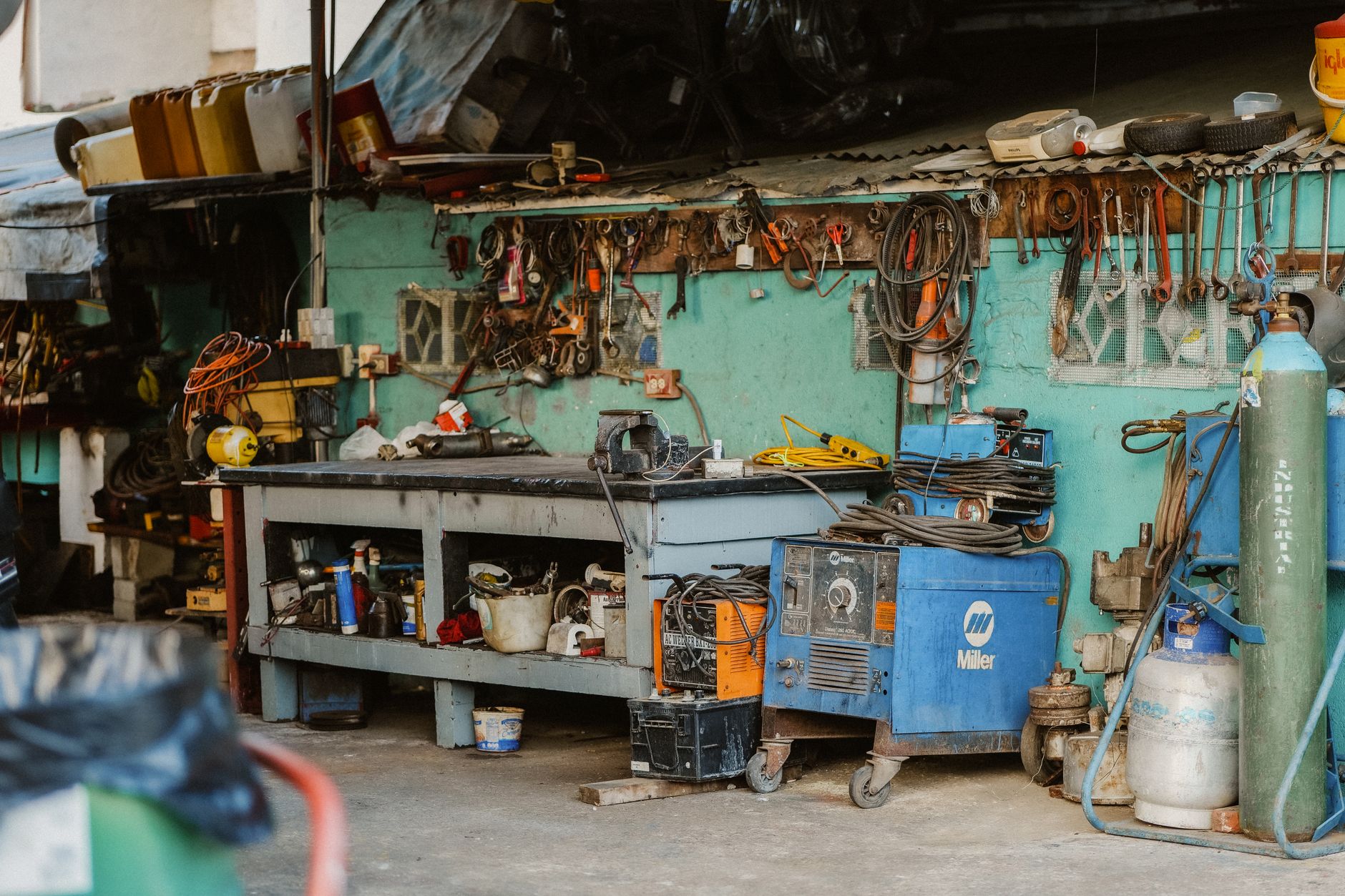
A poorly arranged welding station puts smoke in a worker’s breathing zone, forces repeated lifting, and turns routine setup into wasted motion. These problems often share one cause: equipment, materials, and extraction compete for the same floor space. A better layout separates clean movement from hot work while keeping tools close to their point of use. Planners can start by mapping the work cycle, then arrange each station around its actual tasks.
A station should match the size and shape of the parts, the weld positions, and the handling method. Reviewing professional welding stations alongside fixtures, positioners, fume controls, and storage helps planners compare the working envelope before equipment occupies valuable floor space. That check also clarifies clearance for loading, tack welding, and inspection, so operators do not move parts through a crowded aisle.
Mapping the Work Cycle
Before shifting equipment, observe a complete job from material arrival through welding, cooling, inspection, and removal. Note where operators pause, turn, or carry parts. Mark those points on a simple floor sketch, then trace the path of each part. Crossings between hot work and incoming stock expose layout conflicts before they become daily habits.
Group work by sequence, not by whichever machine sits nearest an outlet. Place cutting and preparation upstream of welding, with inspection and finished-part staging beyond the hot zone. Keep frequently used clamps and hand tools within easy reach, while reserving clear space for the largest workpiece and its turning radius.
Controlling Fumes at the Source
Welding fumes rise from the arc, but room air currents can carry them across the operator’s face. Position local exhaust capture close to the source without blocking the torch, the view, or the workpiece. Keep extraction arms out of travel paths, and confirm that their placement still works when fixtures or large parts change.
Separate welding bays from clean assembly or inspection areas with physical boundaries where the process and floor plan allow. Do not rely on a distant ceiling fan to control exposure at the arc. Set a routine to inspect hoods, ducts, and filters, because damaged or blocked components reduce capture performance.
Reducing Clutter with Point-of-Use Storage
Clutter often starts with supplies that lack a fixed home. Assign labeled storage for filler metal, clamps, wire brushes, and consumables, then place each item near the task that uses it. Keep carts and gas cylinders in marked parking areas, outside walkways, and emergency access routes.
Remove scrap and used consumables at planned intervals rather than letting them accumulate beside the table. A small scrap bin within reach limits unnecessary steps, but it must not narrow the aisle or sit under the work zone. Store only the quantity needed for the shift at the station.
Reducing Fatigue Through Better Reach
Repeated reaching strains shoulders; low work surfaces increase back flexion, and awkward part handling adds risk before the arc starts. Set the work height for the primary task and operator, then use a fixture or positioner to bring the joint into a comfortable orientation. Stable supports reduce the need to hold heavy parts by hand.
Place controls and frequently used tools between shoulder and hip height, with heavier items close to the body. Avoid layouts that require repeated twisting between the workpiece and supply rack. If operators alternate tasks, check each common reach rather than setting the station around one person’s preferred posture.
Protecting Aisles and Material Flow
Mark separate routes for incoming stock, completed parts, and pedestrian movement. Keep the path to the welding station direct, with enough turning clearance for the longest piece. Cables and hoses should follow protected routes above or beside the floor, not across walkways where boots and cart wheels catch them.
Test the layout during a normal production run, not only while the floor is empty. Watch for queues at the fixture, blocked access to extraction controls, and repeated trips for supplies. Move one item at a time, then reassess the cycle; small measured changes reveal whether the new arrangement reduces interruption without creating another bottleneck.
Conclusion
Treat the station as a work system, not a collection of separate machines. A floor sketch, a short observation of the full job, and operator feedback give planners evidence for each move. Planners should start with the largest recurring part, then test extraction reach, tool access, and aisle clearance during production.
Record what changes, correct any new obstruction, and make the final layout part of the station’s daily reset standard for every shift.