
Loyalty Strategies Across Industries: Systems, Personalization and Common Practices
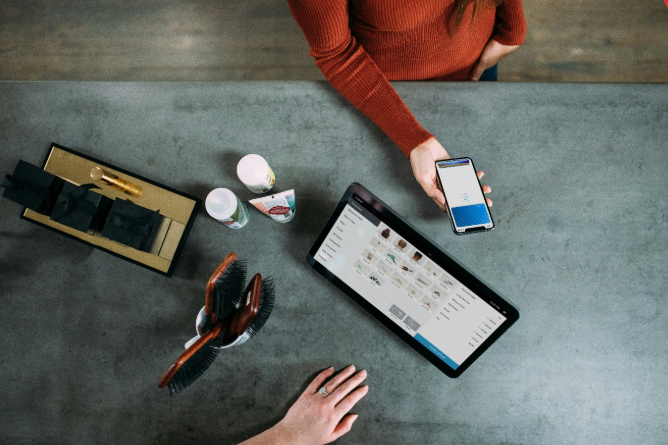
An efficient customer retention tool that many businesses have started adopting lately is the loyalty scheme. These motivate you to keep using the service or buying the products. These plans differ depending on each individual industry and its specifications, usually providing discounts, free offers and other advantages.
This article will focus on presenting loyalty mechanics from across different sectors. It highlights the shift from basic to personalized tools, the benefits of data collection and which strategies work for multiple market categories.
The shift to personalization
As you might know, loyalty bonuses used to be coupons cut out of newspapers, special badges or cards handed out in person. Nowadays, the medium has shifted towards the digital environment, taking the loyalty incentives along. It started with bonus codes that anyone could claim, evolving into the app-based landscape that you see more and more of today.
These loyalty schemes take on various forms depending on the brand’s identity and products. The most commonly found strategies are the points-based and the tier-based systems. The first system works in retail, where every dollar you spend can earn you more points that eventually lead to special discounts or free products.
The tier-based system counts in memberships and exclusive access for certain tiers, ranks or levels. Customers create a membership or an account and the more they use the service or buy products, the more they advance in rank. Higher tiers receive greater rewards, bigger discounts and so on. These work great for airlines, hotels or casinos, among others.
What data collection enables
These loyalty rewards and systems work most efficiently when the business gets to know the customers. This is why data collection is an important feature that platforms have to consider before starting a loyalty program. The data helps in knowing the users and their preferences.
Say you get your casino bonuses from this resource, an affiliate page with various listings. Once you create an account and make your preferences known, you will receive personalized offers based on the most recent promotions you claimed. This way, the platform retains you as a customer while you get to enjoy rewards to your liking.
Through data collection, the business can create a buyer profile. Based on these profiles, they can also predict future sales and better tailor their promotions to current needs and preferences.
Which mechanics work for multiple categories
More and more of these systems start to interlace, transferring between categories. Retailers are starting to up their game in the status ranks of tier-based loyalty schemes, especially in luxury retail. Meanwhile, dynamic points and flexible pricing are becoming more common among airline tickets and hotels.
This is happening because the digital environment is making businesses aware of what others do that yields favorable results. Because of this, you may come across brands that combine all of these strategies into a single loyalty scheme that includes tiered milestones, points that help you rank up, and maybe even some surprises.
These surprises, such as birthday discounts, celebratory offers for new milestones, and others, boost engagement and motivate you to keep using the platform. The loyalty system may be planned for each experience, but an unexpected reward from time to time keeps you curious and willing to keep exploring the services or buying the products.
An illustrative example of this is how casinos go about their VIP programs. More often than not, they track the money you spend on the site and match that sum with points. The more points you gather, the higher you go up the rank ladder. Each level brings you more incentives, higher cashback percentages and overall better rewards, while also peppering in the occasional surprise (like birthday offers).
Conclusion
Depending on the industries brands operate in, their loyalty schemes can look different or more alike than one would expect. During this era of digitalization and personalization, more and more businesses are adapting their tactics, adopting techniques from other markets to achieve better results.
While the retail market keeps its point-based system and airlines continue to rank customers, the schemes are starting to overlap. The applications and accounts enable platforms to track user data and tailor their loyalty reward portfolios to the registered preferences.