
Everest Base Camp Trek vs. Manaslu Circuit Trek: Which Himalayan Adventure Is Right for You?
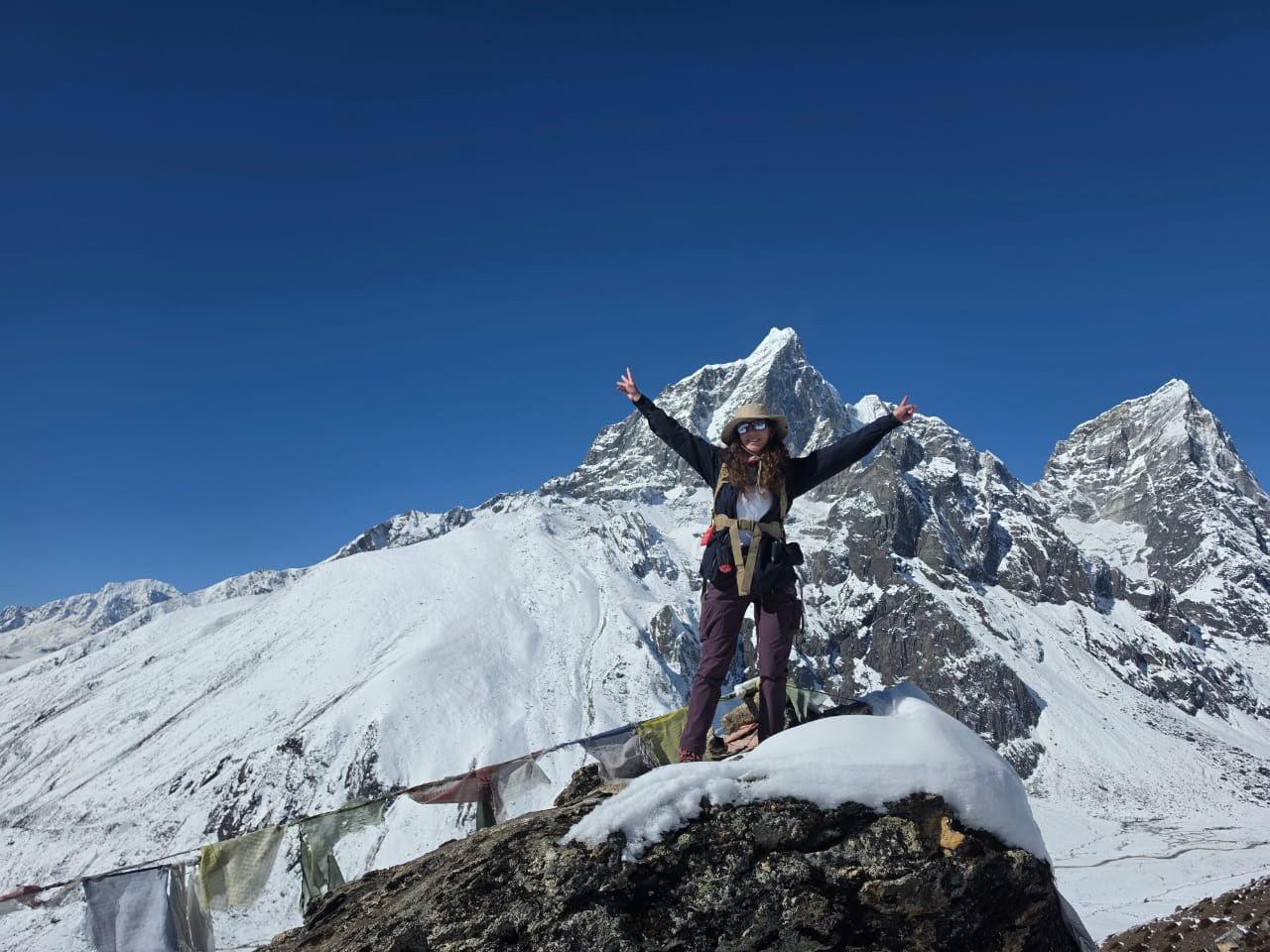
Choosing between the Everest Base Camp Trek and the Manaslu Circuit Trek is not always easy. Both journeys take you into Nepal’s spectacular Himalayas, but they offer different landscapes, cultural experiences, and trekking challenges.
The Everest Base Camp Trek is famous for its views of Mount Everest and the traditional Sherpa settlements of the Khumbu region. The Manaslu Circuit Trek takes you around Mount Manaslu, passing remote mountain villages and crossing the challenging Larkya La Pass. Comparing their routes, altitude, difficulty, costs, and facilities can help you decide which adventure suits your interests and preparation.
1. Everest Base Camp vs. Manaslu Circuit Trek: Key Differences at a Glance
Both treks offer rewarding mountain experiences, but their routes and surroundings are quite different.
| Feature | Everest Base Camp Trek | Manaslu Circuit Trek |
| Package duration | 14 days | 14 days |
| Starting point | Lukla | Machha Khola |
| Main destination | Everest Base Camp | Manaslu Circuit |
| Highest viewpoint/pass | Kala Patthar, 5,545 m | Larkya La Pass, 5,106 m |
| Main mountain | Mount Everest | Mount Manaslu |
| Transportation | Domestic flight | Overland journey |
| Cultural experience | Sherpa communities | Nubri communities and Tibetan-influenced traditions |
| Trail atmosphere | Popular and established | More remote and quieter |
Although both standard packages take 14 days, the daily walking schedules and terrain differ. The duration alone does not determine which trek is easier.
2. Route, Trek Duration, and Distance: Comparing Both Himalayan Trails
The Everest Base Camp Trek starts with a flight to Lukla. From there, trekkers walk through Phakding and Namche Bazaar before continuing towards Tengboche, Dingboche, and Lobuche. The route then reaches Gorakshep and Everest Base Camp. Many itineraries also include an early morning hike to Kala Patthar before the return journey.
The Manaslu Circuit begins with a drive from Kathmandu to Machha Khola. The trail follows the Budhi Gandaki Valley through Jagat, Deng, Namrung, Shyala, and Samagaun. After an acclimatization stop, trekkers continue towards Samdo and Dharamsala, cross Larkya La Pass, and descend to Bimthang before travelling towards Besisahar and Kathmandu.
Nepal High Trek lists both standard journeys as 14-day packages. The Manaslu itinerary includes a road transfer and a longer circuit through remote settlements, while the Everest route follows the established Khumbu trail.
3. Getting to the Starting Point: Lukla Flight vs. Drive to Machha Khola
Access to the trailhead is one of the biggest differences between these adventures.
Everest trekkers usually fly from Kathmandu to Lukla, a journey listed by Nepal High Trek at approximately 35 minutes. Depending on the season and flight arrangements, departures may operate from Ramechhap instead. Weather can affect flight schedules, so allowing extra time is sensible.
The Manaslu journey starts with a road trip from Kathmandu to Machha Khola. The drive takes around nine to ten hours and passes through Arughat and Soti Khola. Road conditions can vary, particularly on the rougher sections approaching the trailhead.
Everest involves a short but weather-dependent flight, while Manaslu requires a longer overland transfer.
4. Altitude and Acclimatization: Everest Base Camp vs. Larkya La Pass
Altitude is an important consideration on both routes. Everest Base Camp stands at approximately 5,364 metres, and Kala Patthar reaches 5,545 metres. On the Manaslu Circuit, the highest point is Larkya La Pass at 5,106 metres.
The Everest itinerary includes acclimatization stops around Namche Bazaar and Dingboche. On the Manaslu trek, Samagaun provides an important break before trekkers continue towards Samdo and Dharamsala.
Although Kala Patthar is higher, both journeys involve extended walking at elevations where the body receives less oxygen. A gradual ascent, adequate rest, and attention to altitude sickness symptoms are essential.
5. Trek Difficulty and Physical Fitness: Which Route Is More Challenging?
Neither trek is an easy walk. Both require stamina, preparation, and the ability to manage several consecutive days on mountain trails.
On the Everest route, altitude is a major challenge. The trail climbs through several settlements before reaching the high-altitude sections around Lobuche and Gorakshep. Even moderate uphill sections can feel harder as oxygen levels decrease.
Manaslu involves steep ascents, descents, uneven paths, and long walking days. The crossing of Larkya La Pass is particularly demanding because of the elevation and time spent on the trail.
Regular hiking, stair climbing, cycling, and other cardiovascular exercises can help build endurance before either journey.
6. Mountain Scenery and Landscapes: Mount Everest vs. Mount Manaslu
The scenery is one of the main reasons travellers choose these treks.
The Everest route offers views of Everest, Lhotse, Nuptse, and Ama Dablam. The landscape changes from green valleys and forested trails to rocky terrain and glacial surroundings. Kala Patthar is a popular viewpoint for seeing the surrounding Himalayan peaks.
The Manaslu Circuit Trek offers a different progression of landscapes. The trail begins in river valleys and passes through forests, suspension bridges, and traditional settlements. Higher sections reveal rugged mountain scenery, with impressive views of Mount Manaslu and the surrounding peaks.
Everest appeals to travellers interested in iconic Himalayan viewpoints, while Manaslu offers varied scenery along a quieter circuit.
7. Cultural Experiences: Sherpa Villages vs. Tibetan-influenced Communities
Local culture adds another dimension to both trekking experiences.
The Everest route passes through Sherpa settlements such as Namche Bazaar, Khumjung, and Pangboche. Monasteries, prayer flags, traditional homes, and local markets provide opportunities to learn about Sherpa culture and Buddhist traditions.
The Manaslu route passes through villages such as Namrung, Shyala, Samagaun, and Samdo. These communities reflect strong Tibetan cultural influences, visible in their monasteries, mani walls, prayer flags, and traditional architecture.
Both regions have distinctive cultural identities, making village visits an important part of the journey.
8. Crowds and Trail Experience: Popular Everest Route vs. Remote Manaslu
Everest Base Camp is one of Nepal’s best-known trekking destinations. During the main seasons, its villages and trails attract visitors from many countries. This creates a lively atmosphere, especially around Namche Bazaar and other established stops.
Manaslu generally offers a quieter experience. Its remote settlements and restricted-area status make it less visited than the Everest trail. However, it is not completely isolated, and visitor numbers can increase during favourable trekking months.
If you enjoy meeting other trekkers, Everest may appeal to you. If you prefer a less crowded route, Manaslu is worth considering.
9. Trekking Permits, Guide Requirements, and Regulations
Permit arrangements differ between the two destinations.
For Everest Base Camp, Nepal High Trek lists the Sagarmatha National Park Permit and Khumbu Pasang Lhamu Rural Municipality entrance ticket among its package inclusions.
The Manaslu Circuit requires additional permits because it passes through a restricted area. The company’s package lists the Manaslu Restricted Area Permit, Manaslu Conservation Area Permit, Annapurna Conservation Area Permit, and Tsum Nubri Rural Municipality entrance ticket.
Manaslu trekkers must also follow the applicable restricted-area rules, including arrangements through a registered trekking agency and a licensed guide. Confirm current requirements before departure because regulations and fees can change.
10. Accommodation, Food, and Internet Connectivity on Both Routes
Teahouses and local guesthouses provide the main accommodation along both routes. Facilities vary between villages, particularly at higher elevations.
The Everest trail has established lodges in places such as Lukla, Phakding, and Namche Bazaar. Manaslu also has local guesthouses, although facilities can be simpler in remote settlements and higher sections.
Both Nepal High Trek packages include meals during the scheduled trekking journey. Internet access, hot showers, charging facilities, and bottled water may involve additional costs. Carrying some cash and essential personal supplies is useful.
11. Cost Comparison: Everest Base Camp Trek vs. Manaslu Circuit Trek
The total cost depends on group size, transportation, permits, accommodation, and included services.
Nepal High Trek lists its Manaslu Circuit package at $1,150 for one person, $925 per person for groups of two to six, and $885 per person for groups of seven to seventeen.
Everest package prices vary between the company’s listed itineraries and group arrangements. Check the specific 14-day package and obtain a current quotation before comparing its price with Manaslu.
Remember that the package rate may not cover every personal expense. Travel insurance, tips, optional services, and additional transport costs can increase the overall budget.
12. Best Time to Trek: Weather and Seasonal Conditions
Spring and autumn are popular seasons for both journeys.
Nepal High Trek recommends March to May and September to October for its 14-day Everest package. Its Manaslu Circuit information lists March to May and September to December.
Spring brings milder conditions at lower elevations, while autumn is attractive for its mountain views. Winter can bring very cold temperatures and snowfall around high passes. Monsoon rainfall may make lower trails muddy and increase the risk of difficult road conditions.
Weather varies from year to year, so check current forecasts and trail conditions before departure.
13. Safety, Altitude Sickness, and Emergency Support
High-altitude trekking requires careful planning. Reduced oxygen levels, changing weather, uneven terrain, and long walking days can affect trekkers of different fitness levels.
Acclimatization stops should be treated as an essential part of the itinerary. Walk at a steady pace, follow your guide’s advice, and do not continue ascending if you experience symptoms that may indicate altitude sickness. Seek medical assistance when necessary.
Nepal High Trek lists first-aid supplies and emergency helicopter arrangements in its package information. However, evacuation expenses are expected to be covered by the traveller’s insurance. Check that your policy covers high-altitude trekking and emergency helicopter evacuation.
14. Final Verdict: Which Trek Should You Choose?
Both journeys offer memorable ways to explore the Himalayas, but the right choice depends on your interests, fitness, and preferred trekking environment.
Choose the Everest Base Camp Trek If…
- You want to reach the base of Mount Everest.
- You are interested in Sherpa culture and established mountain trails.
- You want to see famous Khumbu peaks and viewpoints.
- You are comfortable with domestic flights and high-altitude walking.
Choose the Manaslu Circuit Trek If…
- You prefer a quieter and more remote trekking route.
- You want to explore traditional mountain communities.
- You are interested in crossing Larkya La Pass.
- You enjoy varied landscapes and an overland approach.
Everest offers the opportunity to explore one of the world’s most recognised mountain regions. Manaslu provides a different experience through remote settlements and dramatic high-altitude terrain. Neither trek is automatically better for everyone. Consider your preparation, available time, budget, and personal interests before making your choice.
We’re Nepal High Trek And Expedition Pvt. Ltd., based in Kathmandu, specializing in treks, climbs, and more for solo travelers and private groups.
Contact us at info@nepalhightrek.com or WhatsApp +977 9851142116.
Frequently Asked Questions
Is the Manaslu Circuit Trek harder than Everest Base Camp?
The challenges are different. Everest involves extended walking at high elevations, while Manaslu includes steep trail sections and the demanding Larkya La Pass crossing. Fitness, acclimatization, and weather influence how difficult either trek feels.
Which trek is better for beginners?
Neither is an easy first trek. Beginners with good fitness and suitable preparation may consider either route, but should choose an itinerary with adequate acclimatization and professional support.