
Why Flyer Design Still Matters in a Fast-Moving Digital World
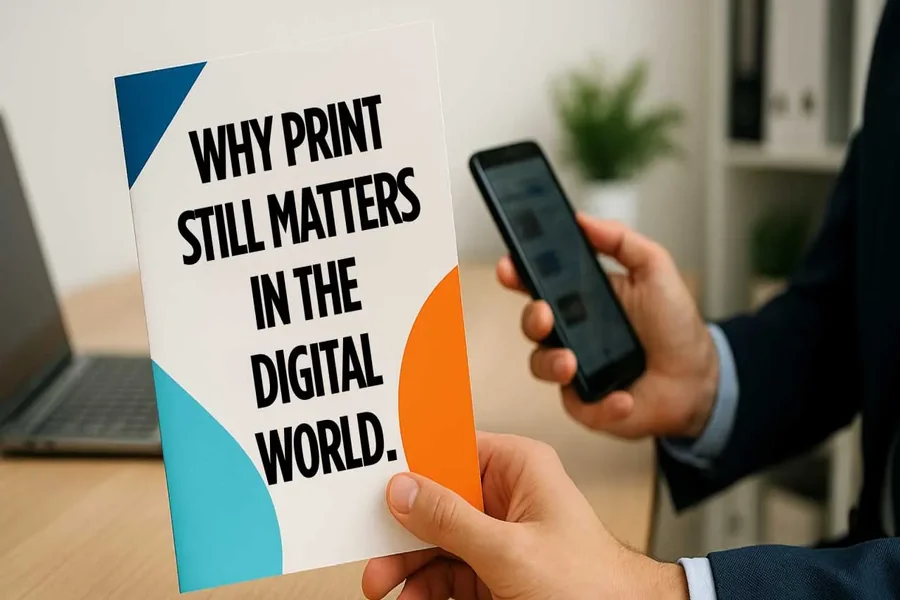
Flyers have been around for decades, yet they continue to play a vital role in how information is shared. Whether pinned to a bulletin board, handed out on the street, or posted online, a flyer has one clear job: deliver a message quickly and make it memorable. In an age where people are overwhelmed by content, that kind of clarity is more valuable than ever.
The challenge, however, has always been execution. Creating a flyer that looks professional, balanced, and visually appealing isn’t easy if you don’t have a background in design. Many people give up before they even start, settling for something that “works” rather than something that truly stands out. That’s where modern tools have begun to reshape the entire process.
Thanks to innovations like an ai flyer generator, creating a polished flyer no longer requires design expertise or hours of tweaking layouts. These tools allow users to focus on ideas and messaging while intelligent systems handle structure, spacing, and visual flow automatically.
The Role Flyers Play Today
Despite the dominance of social media and video content, flyers haven’t lost relevance. In fact, they’ve evolved.
Flyers are effective because they are direct. They don’t ask for long attention spans or deep commitment. A well-designed flyer communicates what matters in seconds. That makes them perfect for promotions, announcements, and time-sensitive information.
Digital flyers, in particular, are incredibly versatile. One design can be shared across social platforms, included in emails, posted on websites, or printed for offline use. This adaptability makes flyers one of the most efficient communication tools available.
Why Design Quality Makes All the Difference
People may not consciously analyze design, but they instantly feel it. A cluttered flyer feels confusing. A poorly spaced layout feels untrustworthy. On the other hand, a clean, visually balanced flyer creates confidence and credibility.
Good design does three things well:
- It guides the reader’s eye naturally
- It highlights what’s most important
- It makes the message easy to remember
When these elements work together, a flyer doesn’t just inform—it persuades.
How AI Is Changing the Design Experience
Traditional design software often assumes users already understand layout principles, typography, and visual hierarchy. AI changes that assumption.
Smart Layout Decisions
AI tools automatically arrange text and visuals in a way that feels natural and readable. Headlines stand out, supporting details fall into place, and spacing feels intentional without manual adjustments.
Built-In Design Logic
Rather than generic templates, AI-driven designs are based on proven visual principles. This means better balance, clearer messaging, and fewer design mistakes.
Faster Creation and Updates
Need to change a date, price, or headline? AI tools allow quick edits without breaking the design, making them ideal for fast-moving campaigns.
Who Benefits Most from AI-Powered Flyers?
The short answer: almost everyone.
Small Businesses
Local shops, service providers, and startups can create marketing materials that look professional without hiring designers or agencies.
Event Organizers
Flyers remain essential for workshops, meetups, fundraisers, and conferences. Clear design helps boost attendance and credibility.
Educators and Students
From classroom announcements to school events, flyers help present information clearly and visually, improving engagement.
Creators and Freelancers
Maintaining a consistent brand look becomes easier when design tools support rather than complicate the process.
Practical Tips for Creating Better Flyers
Even with AI support, thoughtful choices matter. Here are a few simple principles that consistently improve results:
- Stick to One Main Idea
A flyer isn’t a brochure. Choose one goal and design around it.
- Prioritize Readability
Clear fonts and good contrast matter more than decorative styles.
- Use Visual Hierarchy
The headline should be seen first, details second, and action steps last.
- Design for Where It Will Be Seen
A flyer for social media needs bold visuals. A printed flyer can include finer detail.
- End With a Clear Action
Tell the reader exactly what to do next—attend, sign up, visit, or contact.
Accessibility Is the Real Breakthrough
Perhaps the most important shift AI brings is accessibility. Design is no longer limited to professionals or people with expensive software. Anyone with an idea can create something that looks polished and intentional.
This accessibility encourages creativity. When people aren’t afraid of the design process, they experiment more, communicate more, and share ideas more confidently. Over time, they also develop a better instinct for visual communication.
Conclusion
Flyers continue to be one of the most effective ways to communicate quickly and clearly. What has changed is how they’re created. AI-powered tools have removed the technical barriers that once made design intimidating, replacing them with speed, simplicity, and confidence.
Whether you’re promoting a business, organizing an event, or sharing important information, modern flyer creation allows you to focus on what truly matters: your message. When design works with you instead of against you, creativity becomes accessible—and results follow.