
Common Slip and Fall Hazards and How They Affect Your Legal Claim
Every step on a slick surface or uneven pavement hides a risk you might never see coming.
In the blink of an eye, a simple walk can turn into a painful slip and fall accident. These moments are more than just a stumble. They can bring serious injuries, lost wages, medical bills, and lingering discomfort.
In Federal Way, busy streets, crowded shopping centers, and bustling office buildings are full of unnoticed hazards waiting to trip someone up. Spotting these dangers early is the key to staying safe and knowing how to handle them if things go wrong.
Wet and Slippery Surfaces
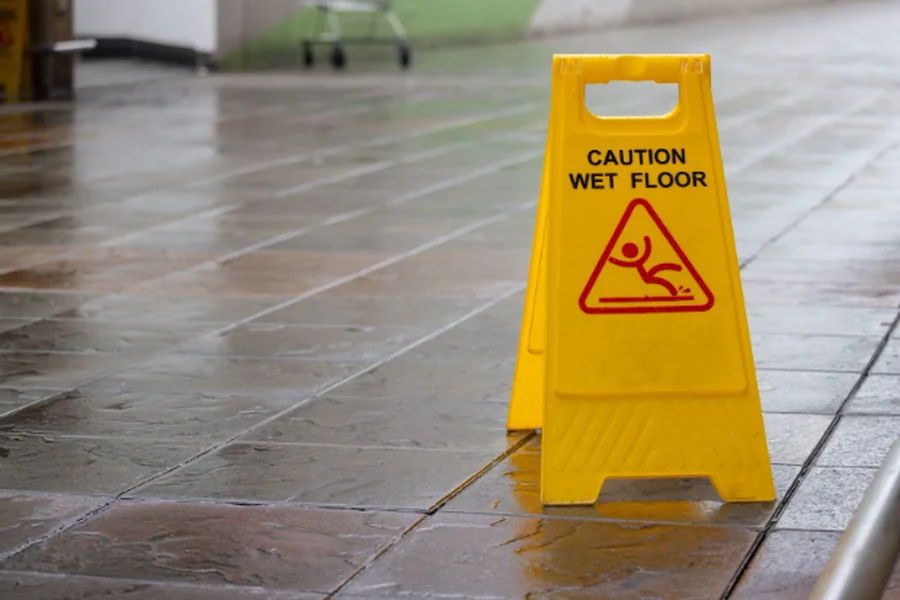
Wet floors are one of the most common causes of a slip and fall accident. Whether it’s rainwater tracked in from outside, a spilled drink in a grocery store, or a freshly mopped floor in an office, slippery surfaces can strike without warning. Legally, these conditions are significant because they often point to negligence on the part of property owners.
A spill left unmarked, water left on a floor without caution signs, or even condensation in hallways can serve as evidence that the owner failed to maintain safe conditions. Documenting the exact location, time, and condition of the floor can make a noticeable difference in a legal claim.
Uneven or Damaged Flooring
Cracks, broken tiles, warped wood, or potholes in parking lots can be dangerous even to the most cautious walkers. These hazards are not just inconveniences. They are proof that the property has not been properly maintained. Legally, showing that an owner ignored these issues strengthens your case. Photographs, witness statements, and maintenance logs can demonstrate that the hazard existed and was known or should have been known by the property owner.
Both commercial and residential properties must meet certain safety standards, and failing to do so can support a claim for damages after an accident.
Loose Rugs or Mats
Rugs and mats that move easily or curl at the edges are surprisingly common slip hazards. Entryway mats, bathroom rugs, and decorative area rugs can all become dangerous if not properly secured. Even a small misalignment can cause someone to trip and fall, resulting in serious injuries.
From a legal standpoint, these are significant because they are preventable hazards. If a property owner allowed rugs to remain unsecured, it can show a lack of care for visitors’ safety. Documenting these hazards with photos and noting the exact placement at the time of the accident helps create a strong foundation for your claim.
Poor Lighting
Dim hallways, stairwells without proper lighting, and unlit outdoor areas make it difficult to spot hazards before it’s too late. Poor lighting does more than increase the risk of accidents—it can be used as evidence of negligence in a slip-and-fall case. Property owners have a responsibility to ensure areas are well-lit and safe for visitors.
In Federal Way, certain building codes require adequate lighting in public and private spaces, which can reinforce a claim if those standards are not met. Photographs taken immediately after an accident, and noting dark areas, can become key evidence in proving liability.
Cluttered Walkways or Obstructions
Walkways and hallways that are blocked by boxes, furniture, or electrical cords create obvious hazards. A fall caused by tripping over these obstacles is often preventable, and property owners are expected to maintain clear paths for safe passage. Cluttered areas are especially risky in busy office buildings, retail spaces, and public venues.
Evidence of these obstructions, such as photographs, witness statements, or even security camera footage, can demonstrate that the accident occurred due to negligence rather than simple carelessness. Here are some examples of common obstructions:
- Boxes or packages left in hallways.
- Cables or cords running across walking areas.
- Random furniture or displays are blocking clear paths.
Documenting these hazards immediately can significantly strengthen your legal claim.
Ice or Snow
Seasonal weather adds another layer of risk to slip and fall incidents. Untreated sidewalks, parking lots, and driveways in icy or snowy conditions create obvious dangers. Property owners have a duty to remove or treat these hazards promptly to prevent injuries. Failing to do so can directly support a claim for compensation.
Evidence such as photographs, temperature records, and witness statements showing the presence of ice or snow at the time of the accident can demonstrate that the hazard was preventable. Winter conditions in Federal Way can be challenging, making proper maintenance essential to avoid accidents and legal consequences.
Faulty Stairs or Handrails
Stairs and handrails are meant to provide safety, yet faulty steps, broken railings, or missing guardrails turn them into hazards. Each of these issues increases the risk of serious injury if someone loses balance. Legally, property owners are responsible for maintaining these critical structures. Failing to repair broken steps or ensure handrails are secure can be used as evidence of negligence. Photographs, inspection records, and witness accounts showing a defective stairway or railing strengthen a legal claim.
Proper maintenance of stairs and railings is not just recommended. It is often required under local safety regulations, which supports the case for compensation.
How Hazards Influence Your Legal Claim
Each of the hazards discussed can play a major role in a slip and fall case. Proving that a property owner ignored or failed to address a known risk is essential to establishing liability. Evidence such as photos, incident reports, maintenance logs, and witness statements can clearly show that the hazard existed and contributed to the accident.
Insurance companies pay close attention to these details. Clearly identifying the cause of a fall, whether it is wet flooring, poor lighting, or uneven steps, increases the likelihood of a fair settlement. The stronger the documentation of the hazard, the stronger the legal claim becomes.
Ending Note
Understanding the hazards that lead to slip and fall accidents is critical in protecting your legal rights. Each wet floor, uneven tile, loose rug, or icy sidewalk can become important evidence. Documenting these hazards immediately after an accident and consulting with a knowledgeable slip and fall lawyer ensures that each risk is properly considered.
These steps help make a case for fair compensation, covering medical expenses, lost wages, and other losses caused by the accident. Knowing what to watch for and acting quickly can make all the difference in a successful legal claim.