
How an Experienced Crash Lawyer Handles Rural Highway Collisions
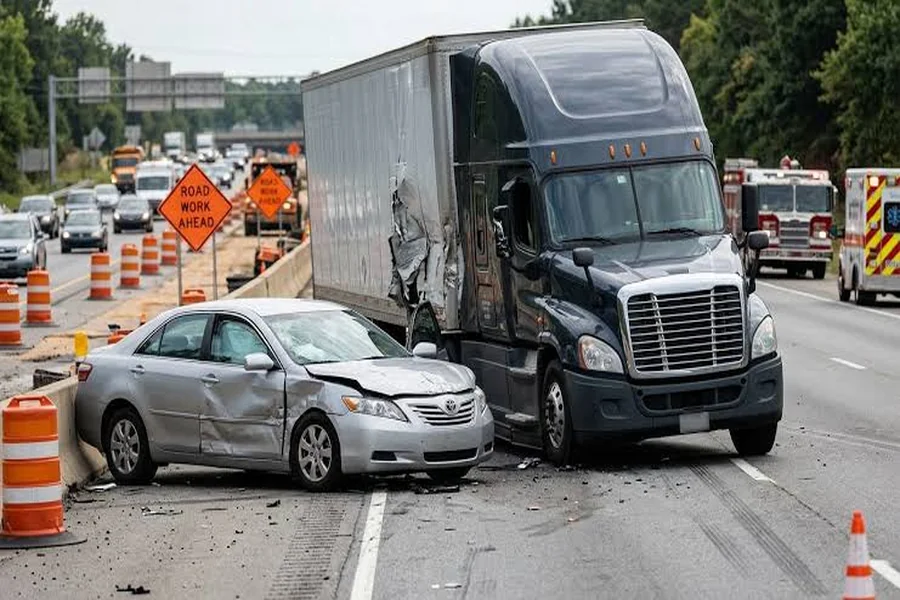
A road accident can turn a drive into a life-changing event. In 2025, Victoria County recorded 1,073 crashes, including 8 fatal crashes that caused 9 deaths. Across Texas, rural crashes accounted for 50.12% of traffic fatalities, with 1,889 people killed in rural collisions. For anyone seeking a Victoria car accident lawyer, these numbers show why location and road conditions matter when collisions occur outside busy city areas.
Rural highway cases may involve long distances to emergency care, limited witnesses, changing weather, unclear roadway conditions, or commercial vehicles traveling through the region. Building a claim can require more than reviewing the police report. An experienced crash lawyer may examine vehicle damage, medical records, photographs, roadway evidence, witness accounts, and available electronic data to clarify what happened. Understanding how those details fit together can help drivers and families move from the shock of a collision toward pursuing fair accountability.
How the Investigation Begins
A lawyer starts by preserving evidence before vehicles are moved from storage or road conditions change. The investigation includes the crash report, photographs, traffic citations, vehicle damage, event data, medical records, and witness accounts.
Rural crashes often happen far from populated areas, so witnesses can be difficult to locate. A lawyer identifies nearby homes, businesses, farms, cameras, and dispatch records that could establish timing or driver behavior.
A car accident lawyer also examines whether the collision involved a highway accident, distracted driving, a rollover, a head-on impact, or an uninsured motorist. Those details affect evidence collection and insurance strategy.
How Road Conditions Affect Liability
A rural highway investigation examines lane markings, shoulder width, sight distance, lighting, signs, vegetation, and pavement defects. Investigators document the scene through photographs, measurements, diagrams, and available roadway records.
Weather and visibility receive close attention. Rain, fog, glare, standing water, or loose gravel can affect stopping distance and vehicle control. However, poor conditions do not automatically excuse unsafe driving. The evidence must show whether a driver adjusted speed, followed traffic laws, and responded properly to the conditions.
How Vehicle Evidence Reveals the Impact
Vehicle damage helps explain the direction and force of a collision. A lawyer preserves repair estimates, photographs, towing records, and inspection findings before repairs alter the vehicles.
Modern vehicles can contain event data that records information such as speed, braking, seat belt use, and airbag deployment. Access depends on the vehicle, the crash, and applicable legal procedures. A qualified investigator compares that data with skid marks, debris patterns, vehicle positions, and witness statements.
Mechanical problems also require review. Brake failure, tire damage, steering defects, or improper maintenance can point toward a vehicle owner, driver, manufacturer, repair facility, or another responsible party. The claim must link the defect or failure to the collision through reliable evidence.
How the Lawyer Addresses Serious Injuries
Rural highway crashes often involve high speeds, large vehicles, or delayed emergency access. Medical records therefore receive careful review, especially when a person suffers a brain injury, spinal cord injury, fracture, neck injury, back injury, or chronic pain.
The lawyer tracks ambulance records, emergency treatment, imaging, specialist care, therapy, prescriptions, and work restrictions. Medical opinions help connect the injuries to the crash and explain future treatment. The claim also accounts for lost wages, reduced earning capacity, household assistance, and permanent limitations when the evidence supports those losses.
Injured persons should follow medical instructions and go to all scheduled appointments. Gaps in treatment give insurers an argument that an injury improved or arose from another cause. Written records about symptoms, restrictions, and daily limitations provide useful detail during claim evaluation.
How Insurance Claims Are Managed
Insurance companies review liability, coverage, medical treatment, and damages before paying a claim. Rural collisions often involve multiple policies, including the at-fault driver’s coverage, commercial vehicle insurance, and uninsured or underinsured motorist protection.
A lawyer identifies every potentially applicable policy and checks deadlines before making a settlement demand. The demand explains liability, documents injuries, calculates financial losses, and includes evidence supporting each category of compensation.
Statements to an insurer require care. A recorded statement, signed medical authorization, or early settlement can affect the claim before the full picture becomes clear. The lawyer handles communications and evaluates proposed agreements against documented losses.
What Victims Should Preserve
People involved in rural highway crashes should seek medical care, report the collision, and photograph visible injuries (if conditions safely allow). They should also save damaged clothing, vehicle photographs, medical bills, prescriptions, wage records, and correspondence from insurers.
Witness names and phone numbers matter, even when witnesses leave before officers finish their investigation. Notes about weather, road conditions, traffic, lighting, and the person’s symptoms also preserve details that human memory may not over time.
People should avoid posting crash details or opinions about the injury online. Public statements can be taken out of context and compared with medical records or insurance submissions.
Taking the Right Steps After a Serious Rural Highway Crash
An experienced crash lawyer treats a rural highway collision as an evidence problem, an injury claim, and an insurance dispute. The strongest case usually begins with prompt medical care, preserved vehicle and roadway evidence, and complete records of financial losses.
Anyone injured in a serious crash should avoid accepting a settlement before understanding the full medical outlook and available coverage. A timely legal review can identify missing evidence, protect deadlines, and provide a clear path for pursuing compensation.