
Self Service Kiosk Security: Protecting Customer Data in an Automated World
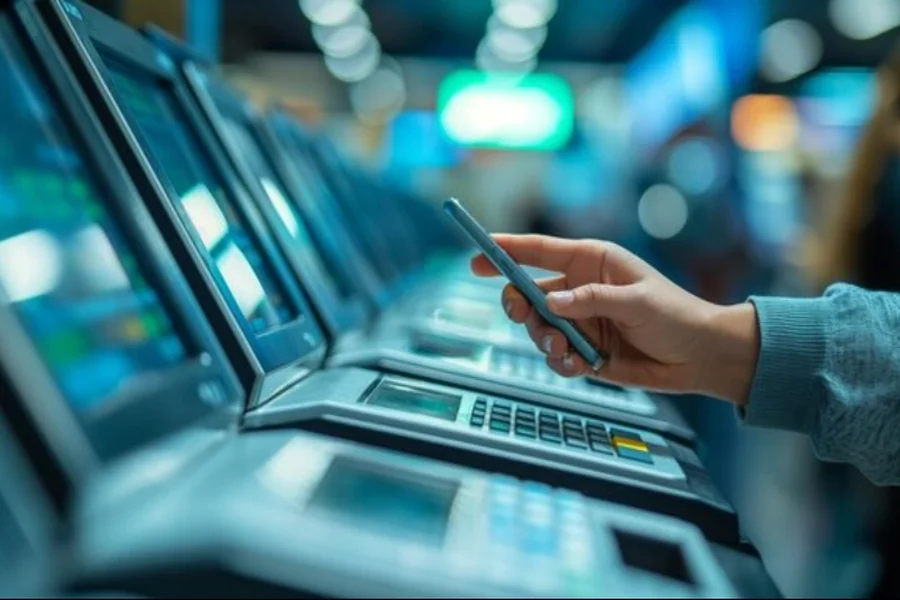
The modern self service kiosk has become a familiar part of everyday life. From ordering food and checking in at hotels to purchasing tickets and managing retail transactions, kiosks deliver speed, convenience, and operational efficiency. But as kiosks handle more payments, personal details, and behavioural data, one question matters more than ever: how secure is the experience?
In an automated world, trust is currency. Customers expect fast service, but they also expect their data to remain private, protected, and uncompromised.
Why Kiosk Security Is Critical
Self-service kiosks are valuable because they collect and process sensitive information from payment card details to loyalty accounts and personal preferences. If a kiosk isn’t adequately secured, attackers can intercept or steal data with potentially damaging consequences.
According to the Payment Card Industry Data Security Standard (PCI DSS), any device that handles cardholder data must follow strict guidelines to prevent fraud and reduce the risk of data theft. These standards encompass how data is stored, transmitted, and processed.
With kiosks widely connected to networks and payment systems, the potential attack surface expands. A successful breach could mean compromised customer trust, financial losses, legal penalties, and reputational damage risks that businesses cannot afford to ignore.
Common Security Threats to Self-Service Kiosks
Self-service kiosks, like all connected digital systems, face multiple security risks:
1. Network and Cyber Attacks
Because kiosks often connect to the internet or internal networks, they are exposed to cyber threats, such as “man-in-the-middle” attacks that intercept communication between the kiosk and the backend system.
Worse still, general data breach statistics highlight how serious the threat landscape has become: globally, the average cost of a data breach reached USD 4.44 million in 2025, and 53% of breaches involved customer PII, emphasising how intertwined systems have become and how they have become lucrative targets.
2. Physical Tampering
Beyond digital attacks, kiosks can also be subject to physical tampering. Hackers can embed unauthorized hardware or modify connections to intercept data. These threats are often overlooked but require strict physical security measures.
3. Outdated Software and Vulnerabilities
The majority of kiosk breaches occurred due to outdated software, indicating that devices weren’t patched or updated to defend against known threats.
This highlights how crucial regular updates are, especially as malware and exploits evolve rapidly.
Consequences of Insecure Kiosks
The fallout from insecure kiosks extends beyond immediate financial loss:
- Identity Theft: Personal data captured from kiosks can be used to open fraudulent accounts, apply for loans, or create phishing campaigns.
- Regulatory Penalties: Many regions enforce strict data protection laws (such as the GDPR), where non-compliance can result in significant fines.
- Reputational Damage: Customers expect their data to be safe. A breach can erode trust and drive them to competitors.
- Operational Disruption: After a breach, businesses often need to suspend operations or invest in costly recovery efforts.
One industry study noted that 60% of small businesses go out of business within six months of a significant cyberattack, a sobering reminder that security isn’t optional.
Best Practises of Securing Self-Service Kiosk
Effective security of kiosks requires a multi-level solution. This is how companies can secure their systems and their clients.
1. Encrypt All Sensitive Data
Encryption alters data so that it is not readable at either the transmission or storage stage. This is a way of ensuring that, even if intercepted, the information cannot be accessed unless decrypted correctly with the decryption keys. Encryption, together with secure communication protocols (such as HTTPS and TLS), secures the data in motion.
2. Enforce Strict Software Updates
Patches are released regularly to patch the vulnerabilities and improve security features. In most instances, one of the simplest methods of attackers to penetrate is through old software. It is important to have a scheduled update regime that can be automated.
3. Compliance with Industry Standards
Adherence to established standards, such as PCI DSS, would ensure that kiosks are set up at the entry point of security for processing payment information and other sensitive data. These standards are not necessarily legally required, but may greatly enhance defences.
4. Establish Physical Security Controls
Ports and access panels should be locked down, and tamper-evident features must be used to deter physical intrusion. Surveillance and environmental tracking can also prevent tampering and alert administrators to any suspicious activity.
5. Restrict Network Access
Isolate segment kiosk networks and sensitive internal systems. Restricted access minimises the risk of lateral spreading if one device is compromised. Firewalls, VPNs, and intrusion detection systems provide a hardened network architecture.
6. Train Personnel and Implement Surveillance Equipment
Man-made error has been a major cause of breaches. Early threat identification can be achieved by training staff to spot suspicious behaviour and using real-time monitoring tools. Analysing logs and network traffic can also provide insight into possible attack patterns.
The Role of AI in Enhancing Kiosk Security
Artificial Intelligence and machine learning can elevate kiosk security by identifying unusual behaviour patterns that may escape human detection. AI-powered systems can:
- Detect anomalous access attempts
- Identify suspicious traffic spikes
- Alert administrators to unusual payment behaviours
- Predict vulnerabilities based on emerging attack trends
These systems turn reactive security into proactive defence, reducing the time it takes to identify and mitigate threats.
Final Thoughts
In an increasingly automated world, self service kiosks deliver undeniable convenience. But that convenience brings responsibility. When customer data from names to payment details is involved, every operator must prioritise security from the first design decision to daily operation.
Strong kiosk security isn’t just about compliance. It’s about trust, continuity, and protecting the people who use your systems.
With thoughtful implementation and ongoing vigilance, kiosks can remain both efficient and secure, giving customers the best of both worlds without compromise.