
Why Live Jazz Still Matters in a Streaming-First World
With a phone and a pair of headphones, you can move through decades of sound in seconds, jazz classics, modern playlists, deep cuts, live recordings, all available instantly. Streaming has changed how we discover music and how often we listen to it. For many people, it’s the main way music fits into daily life.
But something has quietly shifted along the way. Music is everywhere, yet it often stays in the background. For those seeking a deeper appreciation, themiddle.co offers insights into the significance of live performances. It fills commutes, workouts, and late-night scrolling, but it rarely asks for our full attention. Jazz, especially, feels different when it’s reduced to a track playing through speakers. This is a genre built on listening, reacting, and being present. It grew in rooms where musicians watched each other closely, and audiences felt every pause and turn.
That’s why live jazz still holds its ground, even now. In a world shaped by algorithms and playlists, live jazz offers something streaming can’t fully capture: a shared moment, unfolding in real time.
The Power of Seeing Jazz Happen in Real Time
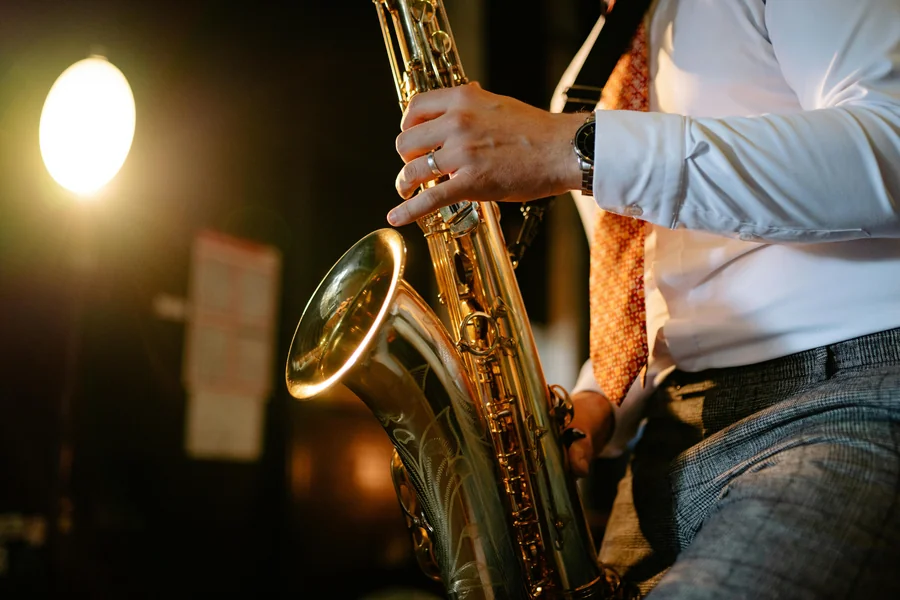
Walk into a small venue hosting live jazz, and you feel the difference right away. The room is quieter in a focused way. Musicians are listening to each other, not just playing at the same time. A song might start in a familiar place, but where it goes depends on the mood in the room, the reaction of the audience, and the choices made in the moment.
This is where live jazz comes alive. Improvisation isn’t just a technique here. It’s the point. Each performance is shaped by interaction. Musicians trade ideas, stretch melodies, and take risks that don’t exist in a recorded track. The audience becomes part of that exchange, responding with attention, applause, or even silence at just the right moment.
That’s why people still seek out groups that understand this dynamic; seeing an awesome jazz band perform live means experiencing music that adapts to the space and the crowd. The musicians don’t just play songs; they read the room, adjust their energy, and create an atmosphere that feels personal. Groups like this often perform at intimate venues, private events, and gatherings where live interaction matters, helping people connect through music rather than simply listening to it.
What makes these performances special is their unpredictability. No two nights sound the same, and that’s the appeal. Live jazz invites you to stay present, because if you drift off, you might miss something that only happens once.
What Streaming Gives Us — and What It Can’t
Streaming platforms have done a lot for music. They’ve made jazz more accessible to new listeners and helped people explore styles and artists they might never have found otherwise. For learning, discovery, and convenience, streaming works well.
But it also flattens the experience. A recorded track captures one version of a song, frozen in time. Jazz wasn’t meant to stay frozen. Improvisation loses some of its meaning when you know exactly what’s coming next. Even live recordings, as good as they can be, don’t fully recreate the energy of being in the room.
When you stream jazz, you hear the notes. When you hear it live, you feel the choices being made. You notice the way musicians glance at each other, the way a solo stretches because the room feels right, or the way a song ends differently than expected. Streaming offers polish and predictability. Live jazz offers presence.
The two can exist together, but they serve different purposes. Streaming introduces the sound. Live performance shows you why it matters.
Live Jazz as a Conversation, Not a Performance
One of the most important things about live jazz is that it functions like a conversation. Musicians listen closely and respond to what they hear. A piano line might shift because of a drummer’s rhythm. A bass player might change direction based on the mood of the solo. These moments aren’t planned. They happen because everyone involved is paying attention.
The audience plays a role too. Jazz musicians often feed off the energy in the room. A focused crowd encourages risk. A relaxed setting allows songs to breathe. Even small reactions, a laugh, a clap, a murmur of appreciation, influence how the music unfolds.
This sense of exchange makes live jazz feel honest. There’s no hiding behind production tricks or editing. What you hear is what’s happening right now. That vulnerability creates trust between musicians and listeners, something that’s harder to build through a screen.
Small Venues and the Role They Play
Live jazz has always thrived in smaller spaces. Clubs, lounges, and private events create an environment where sound and attention meet. These settings allow listeners to hear details they’d miss in larger venues. They also give musicians the freedom to experiment and connect more directly with their audience.
Small venues help keep jazz alive as a living art form. They support working musicians and create local music communities. Many people discover jazz not through big festivals or famous recordings, but through a live show they didn’t expect to enjoy as much as they did.
When live jazz is part of everyday spaces, restaurants, gatherings, and celebrations, it stops feeling distant or old-fashioned. It becomes part of shared experience again.
Why Live Jazz Still Reaches New Audiences
Younger listeners, raised on streaming and digital media, often surprise people with their interest in live jazz. Many are looking for experiences that feel real and unfiltered. Live music offers something tangible in a world that can feel overly curated.
Jazz speaks to that desire. It rewards attention and curiosity. You don’t need deep knowledge to enjoy it live. You need to be willing to listen and stay present. For many first-time listeners, a live performance becomes the moment jazz finally makes sense.
This is why live jazz continues to find its audience, even as listening habits change. The format may evolve, but the core appeal remains the same.
Streaming has changed how we consume music, but it hasn’t replaced the need for live experience. Jazz, more than many genres, reminds us why being in the room still matters. It’s music shaped by interaction, risk, and real-time decision-making.
Live jazz doesn’t compete with streaming. It completes the picture. It turns sound into connection and listening into participation. In a world full of noise, it offers moments of focus and shared presence.
That’s why live jazz still matters. It asks you to slow down, pay attention, and be part of something that exists only once and then moves on, leaving you changed just a little by the experience.