
How Does Route Planning Affect Fuel Efficiency in Trucking Fleets?
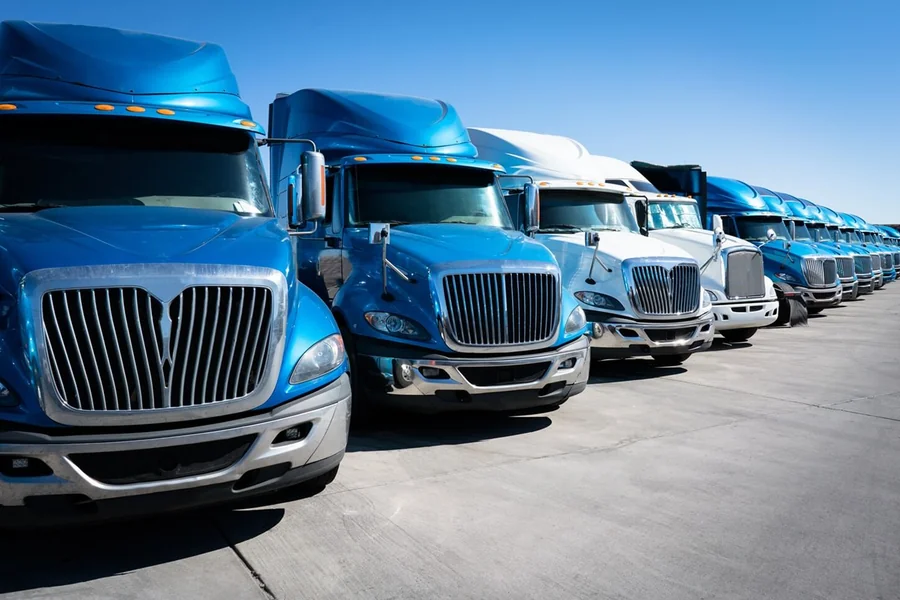
Route planning is one of the most controllable levers a trucking fleet has for managing fuel use, because it shapes how often trucks idle, climb grades, stop and start, and travel at inefficient speeds. Even when vehicles are well maintained, and drivers follow sound habits, the route itself can quietly add extra miles, extra time, and additional wear and tear through congestion, detours, and poorly sequenced stops. Modern fleets also face tighter delivery windows, stricter hours-of-service rules, and growing customer expectations, which can push dispatchers toward routes that look fast on paper but waste fuel in real traffic patterns. When route planning is treated as a fuel strategy, fleets can reduce variability, smooth trip profiles, and cut avoidable consumption without changing the load or the truck. That creates savings that scale across every lane and every week.
How Planning Cuts Fuel
-
Distance Versus Drive Profile
Many people assume the shortest route is always the most fuel-efficient, but fuel use depends heavily on the driving profile. A slightly longer route with steady speeds and fewer stops can burn less fuel than a shorter route filled with signals, congestion, and frequent acceleration. Heavy trucks consume the most fuel during acceleration because moving a loaded vehicle from zero requires significant energy. Stop-and-go driving in urban corridors can therefore be more costly than a longer bypass route that keeps the truck moving smoothly. Route planning also affects idling time, which can be a hidden fuel drain. A route that passes through predictable bottlenecks, busy truck stops, or congested yard entrances can add long idle periods that do not show up as extra miles but still burn fuel. Grade changes matter too. Climbing steep hills sharply increases fuel burn, and the downhill does not fully offset that cost, especially when loads are heavy and speed is controlled for safety. Good route planning considers terrain, signal density, and typical traffic flow, not just mileage. It also finds the time of day. A route that is efficient at midnight can be inefficient at 8 a.m., so dispatching with time-based patterns can prevent trucks from hitting peak congestion windows.
-
Stop Sequencing and Urban Delivery Efficiency
For fleets that run multi-stop routes, the order of stops can make a large difference in fuel use. Poor sequencing can cause repeated backtracking, extra left turns, and unnecessary deadhead miles between customers. It can also increase time in dense traffic where speed fluctuations are constant. Better sequencing reduces the number of turns that require full stops, lowers time spent searching for parking or dock access, and minimizes repeated exposure to congestion corridors. This is especially noticeable in cities with tight street grids and heavy commuter flow. In Toronto, for example, choosing delivery windows and stop orders to avoid downtown peak traffic can reduce idling and frequent acceleration, which improves fuel efficiency even when the total route distance changes only slightly. Sequencing also affects driver stress and decision-making. A well-ordered route is easier to follow, reducing last-minute lane changes and harsh braking, which wastes fuel. When a stop order is designed with real-world traffic and dock access in mind, the route becomes smoother and more predictable, creating a fuel benefit that repeats every day.
-
Speed Management and Highway Choices
Route planning affects the speeds trucks can realistically maintain, and that matters because aerodynamic drag rises quickly with speed. A route that encourages steady highway speeds can reduce fuel use compared to routes with repeated slowdowns and surges. However, highway choice matters. Some highways may have higher average speeds but more aggressive grade changes or heavier congestion near interchanges. Others may have lower speed limits but steadier flow and fewer disruptions. Wind exposure can also vary by corridor, and strong headwinds increase fuel burn. While fleets cannot control the weather, they can choose routes that avoid open stretches when wind conditions are severe, especially for high-profile trailers. Planning also matters for compliance. Routes that reduce unexpected delays help drivers maintain legal hours-of-service margins, preventing last-minute detours to find parking or forced stops that increase idling. Even small improvements in speed consistency can add up, because steady operation keeps the engine in a more efficient range and reduces heavy throttle events. When route planners pair speed expectations with realistic travel times, drivers are less likely to rush to catch up, reducing fuel-wasting behaviors such as rapid acceleration and high-speed cruising.
Routing Shapes Fuel Outcomes
Route planning affects fuel efficiency in trucking fleets because it determines the miles driven and the driving conditions that control consumption, such as stop frequency, idling time, grade intensity, and speed consistency. Efficient routes often prioritize steady flow over minimal distance, reducing acceleration events and avoiding repeated exposure to congestion. Better stop sequencing cuts backtracking and turns that force full stops, while smart highway choices balance speed, terrain, and disruption risk. When fleets use telematics feedback to refine routes and shift timing around predictable bottlenecks, fuel use becomes more consistent and easier to manage. These improvements scale across lanes and weeks, turning route planning into a practical tool for cutting fuel waste without changing the truck or the load.