
RC Helicopter Purchase Tips to Follow
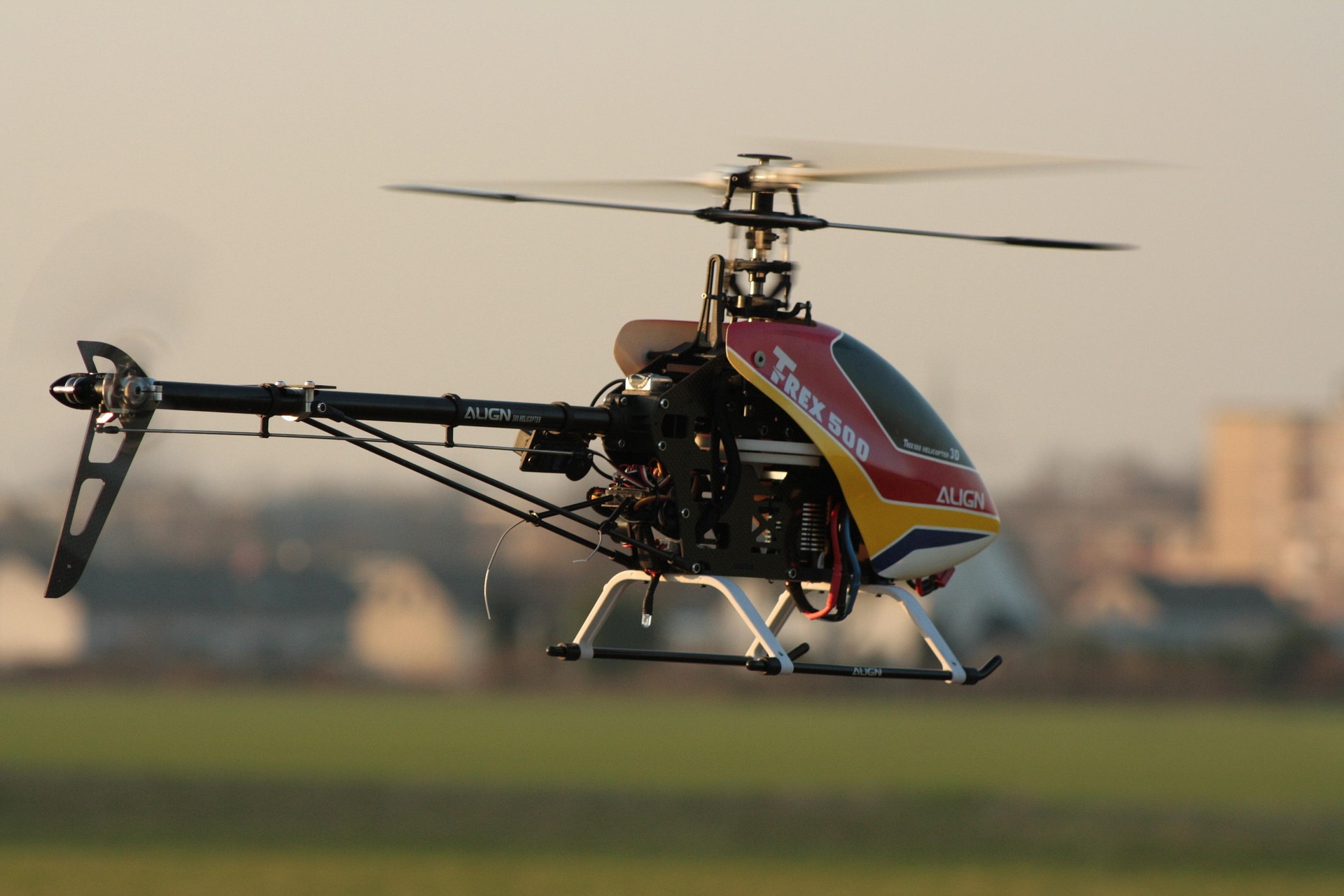
Remote-controlled (RC) helicopters are thrilling gadgets that combine engineering, skill, and creativity. Whether you’re a beginner fascinated by the idea of flying a miniature helicopter or an experienced hobbyist looking to upgrade your collection, selecting the right RC helicopter can be overwhelming. With the market full of various types, sizes, and features, knowing what to look for before making a purchase is essential. This guide offers practical tips to help you make an informed decision and enjoy your RC flying experience to the fullest.
1. Determine Your Skill Level
One of the most critical factors when buying an RC helicopter is assessing your skill level. RC helicopters range from beginner-friendly models to advanced machines for experienced pilots.
- Beginner models usually feature stabilization systems, lightweight frames, and slower speeds. They are designed to be more forgiving and reduce the risk of crashes.
- Intermediate models offer more speed, agility, and control but require a basic understanding of flight mechanics.
- Advanced models are designed for experienced pilots who enjoy aerobatics, precise control, and high-speed maneuvers.
Choosing a helicopter suited to your skill level ensures that you can enjoy the experience without becoming frustrated or risking damage to the model.
2. Choose the Right Size
RC helicopters come in various sizes, from micro or nano helicopters to full-sized models.
- Nano helicopters are small, lightweight, and perfect for indoor flying. They are affordable and easy to store but may struggle in windy outdoor conditions.
- Mid-sized helicopters are versatile, suitable for both indoor and outdoor flying. They provide a balance between agility and stability.
- Large helicopters are ideal for outdoor flying and often feature more powerful motors, longer flight times, and advanced functionalities.
Consider where you plan to fly and the space available. Indoor flying favors smaller models, while outdoor enthusiasts may prefer larger helicopters with more power.
3. Decide Between Electric or Gas-Powered
RC helicopters generally come in two power types: electric or gas-powered. Each has pros and cons.
- Electric helicopters are quieter, require less maintenance, and are easier to operate. They are ideal for beginners or those flying in residential areas. Batteries provide decent flight time, though recharging is required between sessions.
- Gas-powered helicopters offer longer flight times, higher speed, and more realistic flight dynamics. However, they require more maintenance, can be noisy, and are typically more expensive.
If you are new to the hobby, an electric RC helicopter is often the best choice. Gas-powered models are better suited for experienced hobbyists seeking advanced performance.
4. Consider Flight Time and Battery Life
Battery life and flight time are crucial when selecting an RC helicopter. Most electric models offer flight times between 5 and 20 minutes, depending on the battery type and size.
- Look for helicopters with replaceable batteries so you can have backup packs for extended flying sessions.
- Consider charging time; some batteries take longer to recharge than others. Li-Po (lithium-polymer) batteries are popular due to their higher energy density and lighter weight.
Longer flight times and quick charging capabilities enhance the enjoyment of flying without frequent interruptions.
5. Evaluate Durability and Build Quality
RC helicopters are prone to crashes, especially for beginners. Therefore, choosing a durable and well-built model is essential.
- Check for sturdy frames made from materials like carbon fiber or high-quality plastic.
- Rotor blades should be flexible yet strong to withstand minor crashes.
- Consider helicopters with spare parts availability, as replacement blades, motors, or tail assemblies may be needed over time.
- Visiting an RC store can also be helpful, as you can inspect the build quality firsthand and ask staff for recommendations on the most durable models.
A robust helicopter can survive accidents better, saving you money and frustration in the long run.
6. Look for Stability Features
Stability is a key factor, especially for beginners. Many RC helicopters come with features that make flying easier:
- Gyroscopic stabilization helps maintain balance and keeps the helicopter level during flight.
- Auto-hovering or altitude hold allows the helicopter to maintain a consistent height without constant input.
- Trainer modes reduce speed and responsiveness for beginners learning to control the helicopter.
These features make learning faster and reduce the likelihood of damaging your helicopter.
7. Check Controller Type and Range
The controller, or transmitter, is your link to the helicopter, so it’s essential to choose one that feels comfortable and offers sufficient range.
- Frequency: Most modern RC helicopters use 2.4 GHz transmitters, which provide better range and reduce interference from other devices.
- Ergonomics: Ensure the controller is comfortable to hold, with responsive joysticks and intuitive buttons.
- Range: Indoor models may only need 20–30 feet, while outdoor models can require ranges exceeding 300 feet.
- Trying controllers at an RC store can help you feel the ergonomics and responsiveness before making a purchase.
A good controller enhances control and makes flying more enjoyable.
8. Consider Your Budget
RC helicopters range from affordable toys to expensive, high-end models. Your budget will influence the type, size, and features of the helicopter you can purchase.
- Budget models are perfect for beginners and offer basic controls, limited flight time, and small sizes.
- Mid-range models provide better stability, durability, and additional features.
- High-end models offer top performance, long flight times, realistic mechanics, and advanced controls.
It’s essential to balance your budget with the features and quality you need to avoid overpaying for unnecessary features.
9. Think About Spare Parts and Upgrades
RC helicopters often require maintenance or upgrades to improve performance. Before purchasing, consider the availability of spare parts and upgrade options.
- Are replacement blades, motors, or tail assemblies easily accessible?
- Can the helicopter be upgraded with better batteries, rotors, or electronics?
- Some brands provide a modular design, making repairs and upgrades easier.
Having spare parts and upgrade options extends the lifespan of your helicopter and allows you to improve it as your skills advance.
10. Read Reviews and Seek Recommendations
Finally, before purchasing, research reviews and ask experienced RC pilots for recommendations. Real-world feedback provides insight into reliability, ease of use, and performance that specifications alone cannot.
- Online forums, YouTube channels, and hobbyist communities are excellent resources.
- Pay attention to common issues like fragility, short battery life, or poor customer service.
- Recommendations from experienced pilots help you avoid models that may look great on paper but perform poorly in reality.
Buying an RC helicopter is an exciting step into a hobby full of creativity, skill, and fun. By assessing your skill level, choosing the right size and power type, considering flight time, durability, and stability features, and doing proper research, you can select a helicopter that provides hours of enjoyment. Visiting a reputable RC store can help you see models in person, get expert advice, and even try out some helicopters before purchasing. Remember to factor in budget, spare parts availability, and recommendations from other enthusiasts. With the right RC helicopter, you’ll be ready to soar, perform tricks, and experience the thrill of flight in a miniature form.
Following these tips ensures that your RC helicopter purchase is both rewarding and long-lasting, giving you the confidence and tools to become a skilled pilot.