
Special Industrial Roller Conveyor Chain vs. Standard Conveyor Chain: What High-Load Facilities Must Know
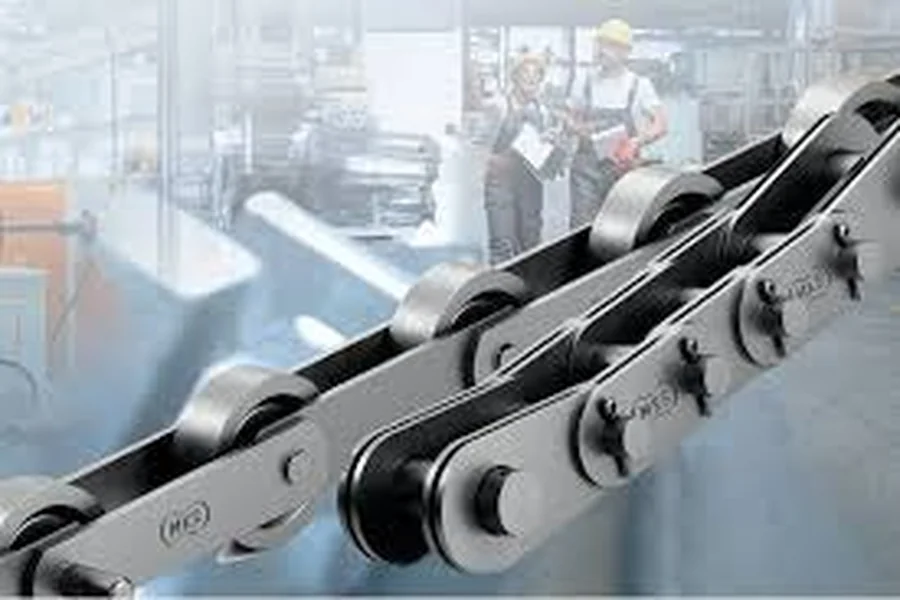
Conveyor chains are fundamental to the movement of materials in many industrial environments. In facilities where loads are heavy and the demands on motion systems are intense — such as automotive stamping plants, bulk material handling lines, metal fabrication shops, and logistics hubs — the choice of chain can influence downtime, maintenance frequency, and equipment longevity. While standard conveyor chains perform adequately within defined limits, facilities operating near or beyond those limits can face accelerated wear, unexpected failures, or product handling issues.
This comparison examines how special industrial roller conveyor chain designs differ from standard conveyor chain configurations. The goal is not to prescribe a universal “better choice,” but to explain how design features affect operational risk, maintenance planning, and performance in heavy-load contexts.
How Special Industrial Roller Conveyor Chain Designs Respond to Heavy Loads
A conveyor chain transmits motion by engaging with sprockets and guiding loads along a path defined by the conveyor’s structure. Standard conveyor chains are typically engineered for general purpose material handling — moderate loads, consistent environmental conditions, and predictable motion profiles. Their components (links, pins, bushings, rollers) are sized for typical manufacturing or warehousing use.
By contrast, a special industrial roller conveyor chain is engineered for environments with heavier dynamic forces, higher shock loads, and extended service intervals. Chain geometry, material selection, heat treatment, and lubrication strategies differ to support loads that push beyond the envelope of general-purpose designs.
Enhanced Materials and Construction
Standard chain constructions typically use carbon steel components sized for intermittent or moderate continuous duty. Special industrial roller conveyor chains often employ:
- Higher strength alloy steels with controlled microstructures
- Precision heat treatment to balance ductility and hardness
- Enhanced surface finishes to reduce friction and galling
These material and process differences translate into greater resistance to fatigue, abrasion, and impact. In high-load applications, points of contact such as pins and rollers experience much higher stresses than in lighter systems. A chain designed with these stresses in mind resists elongation and surface degradation better than standard designs.
Load Distribution and Component Geometry
Chain geometry — including roller diameter, link plate thickness, and pin size — affects how load is spread across contact surfaces. Special industrial roller conveyor chains typically incorporate:
- Larger rollers to reduce pressure points between chain and sprocket
- Thicker side plates to resist bending under load
- Longer pin engagement areas to reduce shear stress
These geometric features allow the chain to distribute forces more uniformly during engagement and motion. In contrast, standard chains may concentrate stresses in smaller contact areas, accelerating wear when loads fluctuate or spike.
Lubrication and Wear Control
Heavy-duty conveyor chains operate in environments where lubrication can be washed away by water, contaminants, or cleaning agents. Special industrial chains often use:
- Sealed or oiled bushings to retain lubricant
- Corrosion-resistant coatings for hostile environments
- Specialized lubrication regimes tailored to duty cycles
Effective lubrication management reduces wear between mating surfaces and slows corrosion that can compromise fit and motion. Standard chains generally rely on external lubrication, which may be insufficient under heavy continuous duty.
Performance Under Dynamic and Impact Loads
In many high-load facilities, conveyors do more than move uniform products. They may handle:
- Irregular, high-mass loads
- Starts and stops dictated by upstream or downstream equipment
- Shock impacts when heavy items are loaded abruptly
Under these conditions, the way chain design absorbs and transmits forces matters.
Shock Load Resistance
Special industrial roller conveyor chains are built to tolerate shock more effectively because:
- Larger, more ductile components can deform slightly without cracking
- Reinforced pins and side plates absorb transient stress spikes
- Precision machining reduces stress concentrations that initiate cracks
Standard chains may handle moderate shock loads at low frequency. However, repeated impacts near their design limit can lead to fatigue fractures, elongation, and accelerated maintenance demands.
Consistency in Motion Transmission
Heavy loads change the way motion propagates through a conveyor line. Chain stretch, alignment drift, and temperature-related expansion can disrupt synchronization with driven equipment. Special industrial roller conveyor chain designs maintain tension and alignment more consistently because of their tighter manufacturing tolerances and material stability.
This consistency benefits:
- High-precision indexing conveyors
- Automated transfer sequences
- Lines where multiple zones must operate in phase
When synchronization errors occur, they show up as jams, product misfeeds, or increased wear in connected equipment.
Maintenance Considerations and Lifecycle Cost
Maintenance strategies for conveyor systems reflect the expected wear behaviors of chain designs. Both standard and special industrial roller conveyor chains require inspection, lubrication, and eventual replacement. However, the frequency and nature of these activities differ markedly when heavy loads are involved.
Inspection and Wear Monitoring
Standard chains in high-load service often show early signs of wear such as:
- Elongation beyond specified limits
- Visible side plate bending
- Pin wear that increases play in the system
When these signs appear prematurely, they necessitate more frequent interventions. Special industrial roller conveyor chains, with their heavier construction, typically exhibit slower progression of wear indicators. Plant personnel can base inspection intervals on real usage metrics rather than reacting to symptoms that threaten unplanned stops.
Component Replaceability
Because special industrial designs are often modular and standardized, individual wear parts (rollers, pins, bushings) can be replaced without removing entire chain runs. This modularity supports:
- Reduced downtime during planned maintenance
- Targeted replacement of high-wear components
- Lower labor costs for intervention
Standard chains sometimes require larger sections to be replaced if wear is uneven, which increases downtime and parts inventory needs.
Lifecycle Cost and Risk Reduction
At first glance, special industrial roller conveyor chains may carry a higher upfront cost than standard chains. However, when heavy loads are involved, the total lifecycle cost — including downtime, maintenance, product damage, and labor — often favors the heavier-duty design.
Facilities with frequent unscheduled stops due to chain failure see not only direct repair costs but also:
- Lost production hours
- Overtime labor for emergency fixes
- Collateral wear on driven equipment
A heavier-duty chain reduces exposure to these outcomes.
Alignment, Tensioning, and Operational Stability
Chain performance depends on proper tension and alignment. Misaligned sprockets or incorrect tension settings accelerate wear regardless of chain design. However, special industrial roller conveyor chain designs often incorporate features that support stability:
- Guiding profiles that resist lateral movement under load
- Reinforced attachment points for accurate engaging surfaces
- Clearances that balance flexibility with restraint
These features increase predictability in real conditions where conveyor paths are long or line geometry changes.
Tensioning Practices
Appropriate tensioning prevents:
- Excessive slack that causes impact loads on engagement
- Over-tightening that accelerates bearing and roller wear
- Uneven load distribution across chain links
Special industrial chains often tolerate a wider range of tension without performance loss, which aids in installations where access for adjustment is limited.
Alignment Control
Because heavy loads generate larger lateral forces, alignment systems that:
- Maintain parallel guide surfaces
- Prevent twist in chain runs
- Support thermal expansion without misalignment
contribute to longer service life. Standard chains, while adequate in controlled environments, may suffer alignment drift under thermal cycling and heavy dynamic forces.
Application Contexts Where Differences Matter Most
Choosing between special industrial and standard conveyor chains depends on the intensity of duty and consequences of failure.
Contexts where heavier-duty chains have tangible advantage include:
- Bulk handling of dense materials (steel, castings, aggregates)
- Facilities with high cycle counts daily
- Conveyor paths with long uninterrupted runs
- Lines integrated with precision automation
- Environments with contamination (dust, moisture, chemicals)
In these scenarios, the resilience, maintenance predictability, and dynamic load tolerance of special industrial roller conveyor chain designs translate into fewer interruptions and smoother operation.
Standard conveyor chains remain appropriate when:
- Loads are moderate and within design limits
- Conveyor service is intermittent rather than continuous
- Redundancy or overspeed conditions are absent
In these cases, general-purpose chains provide acceptable service at lower initial cost.
Conclusion
For high-load facilities, understanding the operational implications of chain choice is essential. Special industrial roller conveyor chain designs differ from standard chains in materials, geometry, lubrication strategies, and tolerance to shock and wear. These differences matter not because they are inherently superior in every case, but because they align better with the stresses imposed by heavy loads and intense use.
Selecting the appropriate chain involves evaluating load profiles, usage intensity, maintenance capabilities, and tolerance for downtime. Where heavy loads and frequent cycles are the norm, heavier-duty chains provide greater stability, longer inspection intervals, and reduced lifecycle risk.
By grounding decisions in real operating conditions rather than specifications alone, facilities can match conveyor chain design to operational demands and support reliable, high-throughput material movement.