
The New Meanings of Dinner Party Socializing in a Post-Pandemic World
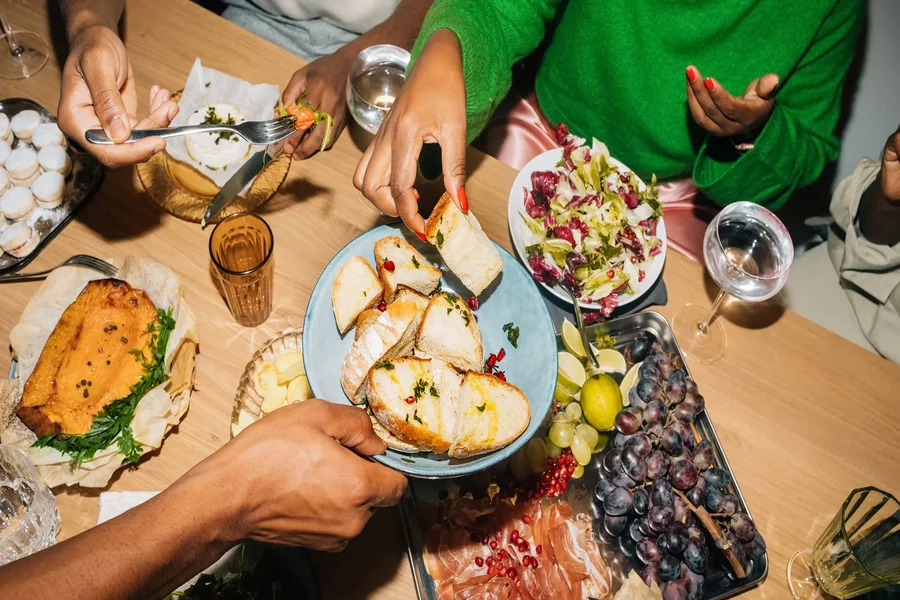
During the COVID-19 pandemic, most of us could do little but helplessly watch it ravage our world. Life as we once knew it seemed like a distant dream. Schools and daycares were closed, and restaurants continued to be locked up. People didn’t hug and attended funerals online. Many sorely missed meeting their friends. But they appreciated that it was dangerous when vulnerable people lived in their households.
Now, in 2026, we have slowly resumed our usual, frantic pace of living. However, a few changes have lingered. For example, more professionals now demand hybrid working styles, no longer content with it being offered as a perk. We also have a deeper realization of the transience of everything.
Another facet of life now reinvented forever is socializing at dinner parties, both in formal and informal environments. These changes are transforming individuals and families, as well as hospitality and retail businesses.
Making New Friends in Mid to Late Adulthood
An almost unbearable consequence of the pandemic was the loneliness to which it exposed us. People spent unending days cooped up at home, away from friends and neighbors. These feelings of disconnection and disengagement became apparent when the pace of life slowed. They could no longer find oblivion in commuting and attending constant work meetings.
Cut to now, and more of us view dinner parties as excellent opportunities to make new friends and strengthen old friendships. Now that we can safely meet people, we find ourselves wanting to do so.
Psychology Today notes that making friends in adulthood is already challenging due to regular developmental changes, but “long tail” consequences of COVID-19 have worsened the situation. To overcome social atrophy, people are adopting dinner and similar events as exposure therapy: allowing themselves to build familiarity with acquaintances, albeit slowly.
For instance, a simple act of asking someone their preferred drink or main allows us to know a little more about their tastes.
What if you feel socially awkward about taking the first step? You can still start with small gatherings on special occasions, ones no one is likely to refuse. Think treating your work acquaintances to pizza after a week’s grueling schedule. These little gestures can be a practical, low-stress way to break the ice.
Finding Joy in Being Able to Share and Appreciate Meals
Socializing over dinner has also taken on new meaning since the pandemic, thanks to the sheer awe that delicious food and drink inspire. The memories of COVID-triggered tastelessness and lack of smell are fresh in many minds.
So are the upsetting thoughts that went through our souls when friends could not celebrate birthdays together, and spouses in different cities missed each other’s company on a milestone anniversary.
The New York Times reports that the pandemic changed people’s relationship with food in many ways, introducing aspects they had never considered before. For instance, some teenagers share how their parents would put on masks and gloves for food shopping, getting anxious about germs when they had to order a package. Some shared their unsettling experiences of social distancing during lunch, with half eating and the other half waiting in the auditorium.
The relative peace and companionship of a post-pandemic world have helped people not take things for granted. Imagine a glass of white wine with dinner, accompanied by the mental calm to discuss its fruity notes with your companions. It feels like a gift.
Suppose your guests have a preference for Sauvignon Blanc or Chardonnay. You can surprise them with a thoughtful pick that matches the menu. According to Dirty Laundry Winery, drinks with fruity notes, such as pear and grapefruit, have a light sweetness and freshness. Rich, satisfying flavors make rich conversations.
Prioritizing The Meaning of Experiences Over Money
Before COVID, many dinner parties were about the effort and money that went into planning them. Events hosted at top-tier restaurants were superior, and gourmet foods made people ‘classier.’
It would be presumptuous to claim that we have all suddenly become deeper and less superficial. That said, some changes are apparent.
For one, the pandemic made the undeniable dangers of food insecurity a reality to reckon with for many families. Remember the frustrating queues outside supermarkets? Everyone was buying packets of pasta and rolls of toilet paper like they would run out the next day. They weren’t wrong either.
An upsetting report by the Food and Agriculture Organization found that 670 million people endured hunger in 2024. A stark 60 percent of the population lacked adequate money for healthy food in Africa. They had to skip meals.
Interesting new research published in PLOS Mental Health finds that food insecurity and mental health have a close relationship. The former has a high probability of leading to anxiety and depression.
Against this backdrop, more of us now feel grateful to have access to food. We appreciate socializing for the connection it brings and do not treat them as an avenue to display our wealth. Intimate gatherings over homemade food can be just as memorable as a big soiree at a fine diner. Or more so.
The COVID-19 pandemic and the immense havoc it wreaked on human beings will never quite be forgotten. Let us at least find some solace in the heartening ways people are imbibing meaningful lessons from those dark years.
Social bonds and collectively experienced moments are a part of the quintessential human experience. It’s delightful to see food and drink continue to facilitate them so beautifully.
Let dinner be served.