
Top Factors That Determine Caviar Quality
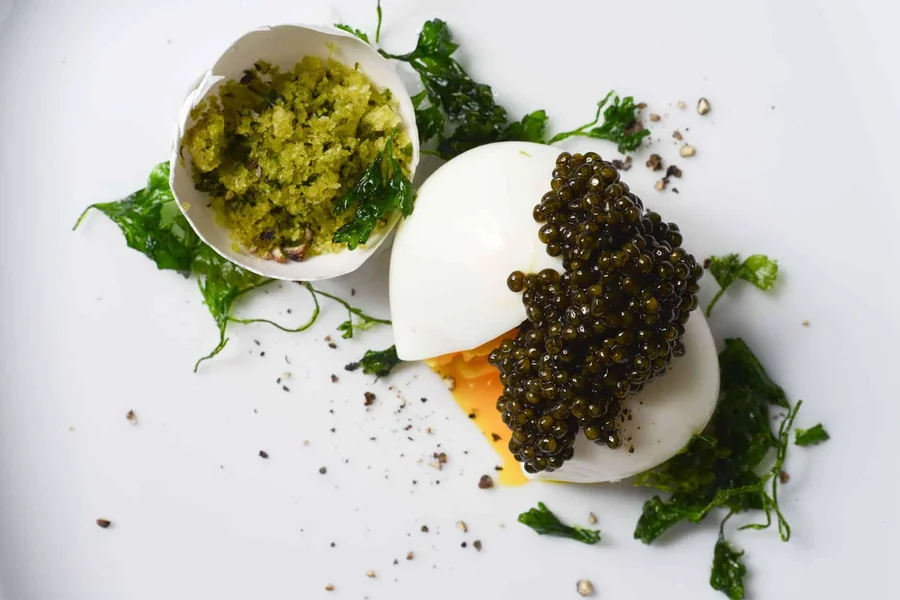
Caviar, often regarded as the “black gold” of the culinary world, is more than just a luxury delicacy. Its quality varies widely, and understanding the factors that determine it can help connoisseurs and newcomers alike make informed choices. From the type of sturgeon to storage methods, several key elements influence caviar’s taste, texture, and overall value.
1. Type of Sturgeon
The species of sturgeon from which the caviar is harvested is one of the most significant factors affecting quality. The Beluga sturgeon produces the largest and most prized eggs, which are known for their delicate texture and subtle, nutty flavor. Osetra sturgeon caviar is medium-sized with a firmer texture and a distinctive briny taste, often described as nutty or buttery. Sevruga caviar comes from a smaller sturgeon, offering smaller eggs with a more intense flavor profile.
Different sturgeon species not only produce eggs of varying sizes and textures but also differ in the richness of flavor. Beluga caviar is rare and highly sought after, making it more expensive, while Osetra and Sevruga provide alternative flavors and textures that cater to diverse palates.
2. Egg Size and Color
Egg size is a visual indicator of quality. Larger eggs are generally considered superior because they offer a delicate pop and a creamy finish. Beluga caviar can reach sizes of up to 4 millimeters in diameter, while Osetra eggs are medium-sized, and Sevruga eggs are smaller.
Color also plays a role in quality perception. Beluga caviar ranges from light gray to almost black, Osetra can vary from golden brown to dark gray, and Sevruga is typically dark gray. While color alone does not determine flavor, it is often associated with specific sturgeon species and, therefore, certain taste profiles. Golden Osetra, for instance, is prized not only for its color but also for its nutty and complex flavor.
3. Texture
Texture is a critical factor in evaluating caviar. High-quality caviar should have a firm, yet delicate, consistency. Eggs should separate easily, without being overly soft or mushy. A proper “pop” occurs when an individual egg bursts in the mouth, releasing its briny, buttery flavor.
Poor-quality caviar often has eggs that are too soft, broken, or sticky, which detracts from the overall experience. Producers carefully handle the eggs during harvesting and processing to preserve their natural texture, as rough handling can compromise quality significantly.
4. Flavor Profile
Flavor is perhaps the most subjective, yet essential, factor in determining caviar quality. The best caviar delivers a balanced taste of brininess and richness without overpowering saltiness. Beluga caviar, for instance, is renowned for its subtle, buttery flavor, while Osetra offers a nuttier, more complex taste. Sevruga is bolder, with a pronounced marine flavor.
Flavor can also be influenced by the sturgeon’s diet and the environment in which it is raised. Wild-caught sturgeon often produce eggs with more nuanced flavors due to natural diets, while farm-raised sturgeon offer consistency in taste and texture.
5. Freshness and Preservation
Caviar is highly perishable, and freshness directly impacts quality. Ideally, caviar should be consumed within weeks of harvesting. Proper refrigeration, typically between 28°F and 32°F (-2°C and 0°C), is essential to maintain its texture and flavor.
Salted caviar, known as “malossol,” contains minimal salt to preserve freshness while enhancing natural flavors. Over-salting can mask the delicate taste, whereas under-salting may compromise shelf life. For those looking to ensure consistent quality and freshness, The Caviar Club is an excellent source, offering carefully selected caviar from trusted producers.
6. Harvesting and Processing
The method of harvesting and processing also affects quality. Traditional hand-processed caviar is often superior to mechanically processed varieties because it minimizes damage to the eggs. Immediate cleaning, sieving, and careful salting are crucial steps.
Some producers use modern techniques like gentle pasteurization to extend shelf life, but excessive processing can diminish flavor and texture. Connoisseurs typically prefer minimally processed caviar that reflects the natural characteristics of the sturgeon.
Conclusion
Caviar quality is determined by a combination of factors, including the sturgeon species, egg size and color, texture, flavor, freshness, and processing methods. Understanding these elements helps consumers appreciate why some caviars command premium prices and why others are more affordable. Whether enjoyed as an occasional indulgence or a centerpiece for fine dining, high-quality caviar delivers a unique sensory experience that celebrates tradition, craftsmanship, and nature itself.
By paying attention to these factors, you can make informed choices and enjoy caviar at its finest—luxury that is worth savoring in every delicate, briny bite.