
How to Clean and Maintain Prescription Glasses Properly
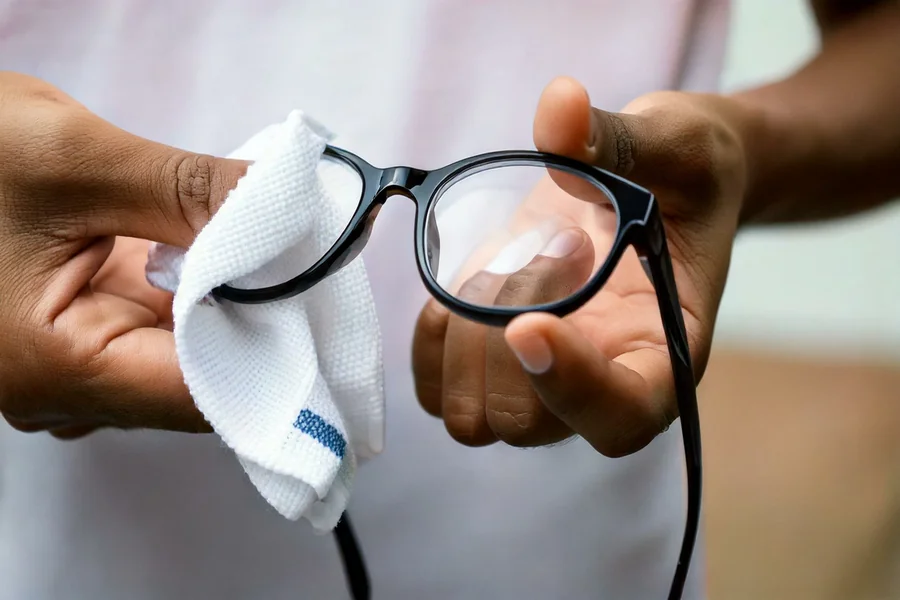
Your prescription glasses help you see the world clearly, but they need proper care to work their best. Dirty lenses with smudges, fingerprints, and dust can make it harder to see and cause eye strain. The right way to clean prescription glasses involves lukewarm water, lotion-free soap, and a microfiber cloth; a simple routine that protects delicate lens coatings and prevents scratches.
Most prescription lenses have special coatings like anti-reflective or scratch-resistant layers. These coatings improve vision but can wear down if cleaned incorrectly. Harsh chemicals, rough fabrics, and improper techniques can damage these protective layers and shorten the life of expensive eyewear.
This guide covers everything needed to keep glasses in top condition. Readers will learn the safe steps for daily cleanings, how to handle stubborn smudges, and what habits protect glasses for years to come. Clear vision starts with clean lenses, and proper maintenance makes that easy to achieve.
Essential Steps for Cleaning Prescription Glasses
Proper cleaning requires the right materials, a careful process, and knowledge of what to avoid. These three elements work together to protect lens coatings and maintain clear vision.
Choosing the Right Cleaning Materials
Microfiber cloths stand as the safest option for lens care. These soft, lint-free fabrics lift away dirt and oils without scratching delicate surfaces. Cotton t-shirts or paper towels may seem convenient, but their rough fibers can damage anti-reflective coatings over time.
Lens cleaning solutions designed for eyewear provide the best results. Mild dish soap also works well as an alternative. The soap should be free of lotions, moisturizers, or harsh chemicals. People who shop prescription glasses online often receive cleaning cloths with their orders, but extra cloths are inexpensive and worth keeping in different locations.
A spray bottle with lukewarm water helps rinse away debris before wiping. Cold or hot water can stress lens materials and coatings. Store cleaning supplies in a case or pouch to keep them dust-free between uses.
Step-by-Step Cleaning Process
Start by rinsing the lenses under lukewarm tap water. This removes loose particles that could scratch the surface if wiped directly. Hold the glasses by the frames to avoid touching the lenses.
Apply one small drop of lens cleaner or dish soap to each lens. Gently rub both sides of each lens with clean fingers, then clean the nose pads and frame edges. These areas collect oils and dead skin cells that transfer back to lenses.
Rinse all soap away under running water. Shake off excess water, then dry the lenses with a clean microfiber cloth. Use small circular motions rather than back-and-forth movements. Check the lenses under light to spot any remaining smudges, then buff them away with a dry section of the cloth.
What to Avoid When Cleaning Lenses
Never use household cleaners like window spray, bleach, or ammonia on prescription lenses. These chemicals break down protective coatings and can discolor frames. Saliva contains enzymes that may also damage coatings over time.
Hot water can warp plastic frames and crack lens coatings. Likewise, avoid extreme temperature changes like placing cold glasses in hot water. Paper products, including tissues and napkins, contain wood fibers that act like sandpaper on lenses.
Dry wiping should only happen in emergencies. This practice pushes dirt particles across the lens surface and creates fine scratches. Even a clean microfiber cloth needs moisture to safely lift away debris. Breathing on lenses to create fog provides minimal moisture and introduces bacteria from the mouth.
Daily Care and Long-Term Maintenance
Glasses need consistent attention to stay clear and functional for years. Proper storage protects frames from damage, while simple daily habits prevent scratches and coating wear.
Proper Storage Techniques
A hard-shell case offers the best protection for prescription glasses. Soft pouches work in a pinch, but they allow pressure to reach the frames and lenses more easily. The case should snap shut completely to keep dust and debris away from the lenses.
People should store glasses in the same spot each time. A nightstand or bathroom counter works well as long as the area stays dry. Moisture can damage lens coatings and corrode metal frames over time.
The lenses must face up inside the case. This position prevents the lenses from rubbing against the case lining or other objects. Never leave glasses on car dashboards or near heat sources, as high temperatures warp plastic frames and damage anti-reflective coatings. Cold temperatures rarely cause problems, but extreme heat ruins glasses quickly.
How to Prevent Lens Damage
Clean hands make all the difference. Oils and dirt from fingers transfer to lenses and create smudges that require more rubbing to remove. A quick hand wash takes seconds and saves the lenses from unnecessary wear.
Microfiber cloths clean lenses safely without scratches. Paper towels, tissues, and clothing contain rough fibers that damage lens coatings. Each person should keep one microfiber cloth at home and carry another for on-the-go cleanups. These cloths need regular washing with mild soap to remove accumulated oils.
The two-hand rule prevents bent frames. Remove glasses with both hands and keep the temples straight. One-handed removal twists the frames out of alignment over time. People should also avoid pushing glasses up by the bridge, as this loosens screws and stresses the frame joints.
When to Seek Professional Glasses Cleaning
An optician should check glasses every six months. These visits catch small problems before they become major issues. Loose screws get tightened, crooked frames get adjusted, and worn nose pads get replaced.
Professional ultrasonic cleaners remove buildup that regular cleaning misses. These machines use sound waves to lift oils and debris from hard-to-reach areas like nose pad grooves and hinge joints. Most optical shops offer this service for free to their customers.
Deep scratches or damaged coatings require expert help. Some scratches can be buffed out, while others mean the lenses need replacement. Anti-reflective coating that peels or cracks cannot be fixed at home and will only get worse without professional attention.
Conclusion
Proper care keeps prescription glasses clear and scratch-free for years. A person should clean their lenses daily with a microfiber cloth and lens cleaner or mild soap with lukewarm water. They must avoid harsh chemicals, paper products, and rough fabrics that damage protective coatings.
Regular maintenance protects the investment and provides better vision. People who follow these simple steps will extend the life of their eyewear and avoid costly repairs or replacements.