
Essential Tools and Techniques for Efficient Plumbing System Installation
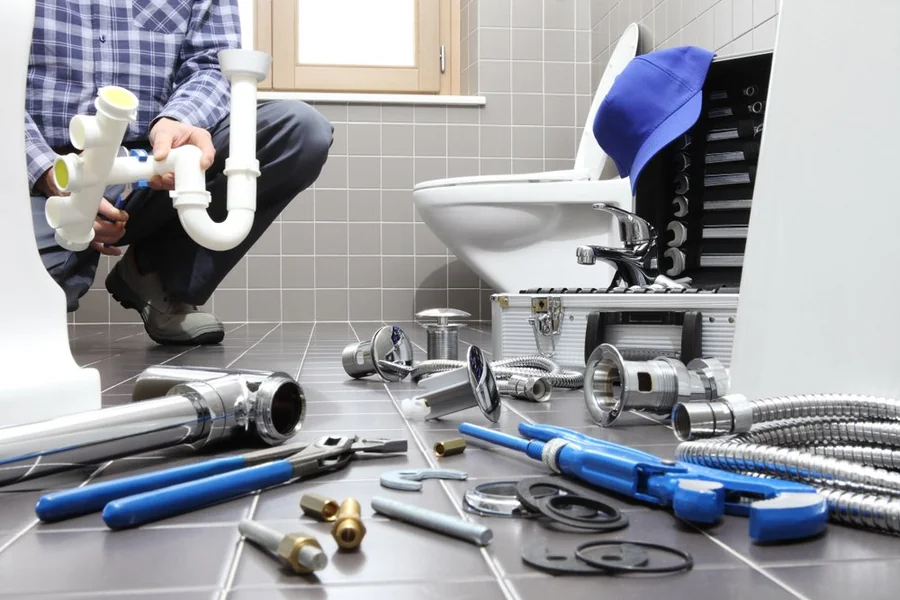
A properly installed plumbing system is the backbone of any home or commercial building. Whether you are a professional plumber or a DIY enthusiast, understanding the essential tools and techniques is key to ensuring a leak-free, long-lasting system. Efficient plumbing installation not only saves time but also reduces the risk of costly repairs in the future. In this guide, we’ll explore the must-have tools, installation tips, and best practices to help your plumbing project flow smoothly.
Mastering the nuances of pipework requires more than just possessing the right hardware; it demands a deep understanding of how specific tools interact with various materials to prevent future failures. While basic wrenches and pliers form the foundation of any toolkit, sophisticated local experts like Washington Plumbing Pros emphasize the importance of precision instruments such as internal pipe cutters and deburring tools for achieving professional-grade results. These specialized devices ensure that every connection is smooth and free of imperfections that could eventually lead to erosion or blockages. By combining traditional hand tools with modern technological advancements, installers can navigate complex configurations with greater efficiency, ensuring the long-term integrity and reliability of the entire residential plumbing infrastructure.
Essential Tools for Plumbing Installation
The right tools are the foundation of any successful plumbing project. While some tools are specific to certain tasks, several are indispensable for most installations:
- Pipe Cutter: Precision is crucial in plumbing, and a pipe cutter ensures clean, straight cuts on PVC, copper, and metal pipes. A smooth cut prevents leaks and makes fittings easier to connect.
- Adjustable Wrenches: These are versatile tools used to tighten or loosen nuts and fittings. Having a range of sizes ensures you can work on different pipe diameters effectively.
- Plumber’s Tape (Teflon Tape): This tape is applied to threaded joints to create a watertight seal. It’s an inexpensive but essential component for preventing leaks.
- Pipe Wrenches: For heavy-duty work, pipe wrenches provide the leverage needed to handle large pipes and stubborn fittings. A good-quality wrench reduces the risk of damaging pipes during installation.
- Plumbing Snake (Drain Auger): While primarily used for clearing clogs, a plumbing snake can also help inspect the pipes during installation to ensure smooth water flow.
- PVC Fittings and Glue: For modern plumbing, PVC pipes are widely used due to their durability and ease of installation. PVC fittings, combined with appropriate solvent cement, allow for secure joints without threading.
- Choosing the right fittings and replacement components is just as important as having the proper installation tools. A specialised plumbing supply store such as New York Replacement Parts (NYRP Corp) can help plumbers and contractors source plumbing parts for installation, maintenance, and repair projects.
Techniques for Efficient Installation
Having the right tools is only part of the equation. The techniques you apply can make the difference between a flawless installation and recurring plumbing issues.
- Measure Twice, Cut Once: Accurate measurements are vital. Measure the required pipe length carefully, and always account for the thickness of fittings to avoid gaps or overlaps.
- Deburring and Smoothing Edges: After cutting pipes, use a deburring tool to smooth rough edges. This ensures that joints fit snugly, reduces friction, and prevents leaks.
- Dry Fit Before Gluing: When using PVC or other solvent-based pipes, it’s essential to assemble all components first without glue. This allows you to verify alignment and spacing before making permanent joints.
- Proper Use of Sealants and Tapes: For threaded connections, wrap plumber’s tape clockwise around threads. For PVC, use the right primer and cement, applying evenly for a secure bond.
- Avoid Over-Tightening: Over-tightening nuts and fittings can crack pipes or damage threads. Tighten components snugly but avoid excessive force.
- Check for Level and Slope: Proper slope ensures efficient drainage in waste systems. Use a level or laser tool to verify slopes, particularly for horizontal drain lines, typically recommended at a 1/4 inch per foot slope.
- Test the System: Once installed, run water through the system and check for leaks. Inspect all joints, fittings, and connections to ensure the installation is watertight.
Beyond the initial layout, the selection of materials plays a pivotal role in the longevity of any residential water system. While modern options like PEX offer flexibility and ease of installation, traditional copper remains a gold standard for its durability and antimicrobial properties. Engaging with experienced specialists like Herriman Plumbing Pros during the planning stage ensures that pipe diameters and pressure ratings are correctly calculated for the home’s specific needs. This technical precision prevents common issues such as low water pressure or noisy pipes that often plague poorly executed DIY projects. By focusing on quality components and proper alignment early on, homeowners can build a resilient infrastructure that performs reliably for decades.
Safety and Maintenance Tips
Safety should never be overlooked during plumbing installation. Always wear protective gear such as gloves and safety glasses. When working with solvent cements or adhesives, ensure proper ventilation to avoid inhaling fumes.
Additionally, proper maintenance prolongs the life of your plumbing system. Periodically inspect joints, clear debris from drains, and replace worn washers or fittings. Simple preventive measures can save you from major repairs later.
Achieving a high standard in modern plumbing installations requires a blend of specialized equipment and technical foresight. Professionals increasingly rely on diagnostic tools like thermal imaging to identify layout conflicts before assembly begins. While some crews prioritize speed over detail, the seasoned approach exemplified by Michael Bonsby HVAC, Plumbing & Electrical emphasizes the importance of precision when integrating complex drainage and supply lines. By utilizing high-grade materials and adhering to strict pressure testing protocols, installers effectively mitigate the risk of common failures like hidden leaks or inconsistent water pressure. This level of craftsmanship ensures a durable infrastructure that supports the long-term functionality and safety of any residential or commercial property.
In Conclusion
Efficient plumbing system installation requires a combination of the right tools, proper techniques, and careful attention to detail. From using pipe cutters and wrenches to ensuring the correct slope and secure PVC fittings, every step contributes to a reliable and durable plumbing system. By following these tips, you can tackle installation projects confidently, reduce the risk of leaks, and enjoy a plumbing system that performs flawlessly for years to come.