
Car Accident in Washington, DC: What to Document at the Crash Scene
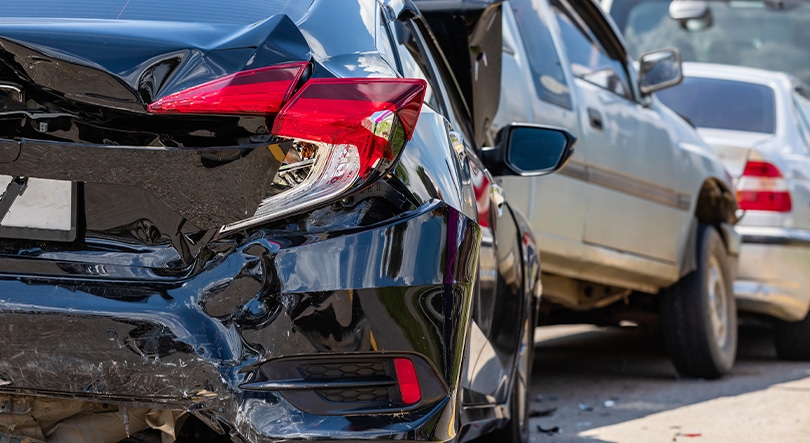
An automobile accident might leave you shaken up, confused and not sure what to do next. You may be worried about your injuries, the car or getting home securely. Yet, what you do at the moment can assist safeguard your legal rights. If safe to do so, obtain information about the crash before leaving. Photos, witness names, and police records can tell us what happened. These facts can also help support an insurance claim or personal injury case. Anyone who is injured in a Washington, DC vehicle accident can benefit greatly from good records. Here’s what to gather, what to stay away from, and when to get legal counsel.
Safety first, before gathering evidence
Safety is our number one priority. If you or your passengers are injured, check yourself and your passengers, and then call 911. If you can safely move away from traffic, do so. Streets in Washington, DC may get bustling, particularly around major roadways and crowded crossroads. Don’t be in traffic snapping pictures or looking at wrecked vehicles. If the scene is not safe, wait for police or emergency workers. Get medical help, even if your injuries seem minor. Neck, back or head injuries can not hurt for hours. Your injuries can be linked to the crash with a medical record. After everyone is safe, you can start gathering details.
Shoot Clear Photos and Videos of the Scene
Before cars move or debris is cleared, your phone can help save critical information. Take shots from different perspectives, but don’t get in the way of danger. That’s a good question.
- All vehicles were damaged.
- License plate numbers, car make, model and color.
- The entire crash scene including surrounding roads and crossroads.
- Traffic lights, stop signs, road signage, lane markers
- Broken glass. Scuff marks. Debris. Other evidence of impact.
- Bad weather, bad light, wet roads, or obscured vistas.
- Visible injuries, if you can document them well.
Take both close-ups and wider views. Close-ups reveal dents, broken lights and other damage. Wider pictures show where the cars stopped and how the road was. If you are video recording, state what you observe and do not speculate as to who caused the crash. text Do you have a problem with that? “` Later, the date, time and other facts from them might help.
Contact Information with Other Driver
Talk to the other driver in a calm manner. Don’t dispute about who’s to blame, or make statements you can’t substantiate. The accuracy of the information must be the focus. Provide the entire name, contact information and insurance company of the driver. Get the insurance number, license plate and driver’s license information when it is safe and appropriate to do so. Also note the manufacturer, model and color of the vehicle. If the motorist will not provide you information, report it to the police. Don’t intimidate them or try to stop them from leaving by force. Watch your language. A simple apology can be mistaken for an admission of guilt. You can be worried without guessing the cause of the crash.
Obtain Witness Names and Contact Information
Witnesses to the crash may remember details that escaped the drivers. Witnesses may have witnessed a red light, an abrupt lane change or a speeding car before the incident. Get the names and phone numbers of any witnesses. If they agree, ask for a brief description of what they observed. Write down their words as closely as you can. Don’t push anyone to back your version of events. It is important, however different their view from yours. Police may also talk to witnesses and put their stories into a report. If someone walks out before you can talk to them, write down their description and anything you remember about them. There might be cameras in a shop or building nearby that recorded the crash.
Ensure a Police Report Is Filed
If the crash caused injuries or you need the police for some other urgent reason, dial 911. Follow the instructions of the attending officer and give a clear account of what you remember. Ask how you can get a copy of the police report and note any report number given. Keep the officer’s name and badge number if you have it. Driver, witness, road conditions, comments made at the site. A police report can have all those things. While it does not answer all questions of fault, it can serve to bolster your claim. The new generation of a popular city car has arrived in our country. If you don’t remember some information, say so. Better to have the record straight, than a quick answer later contradicted by further evidence.
Write Down What You Recall
Memory might easily fade after a traumatic occurrence. Write down your narrative as quickly as you can, while it is fresh. Please include the date, time and exact location of the crash. Note the direction of movement of each vehicle and what occurred just prior to impact. Record traffic lights, road conditions, everything that felt out of place. Also, note how you felt following the crash. Write down pain, dizziness, fear, or problems moving. Make these notes private and factual, and update them if new symptoms occur. We ask that you do not post details of the crash on social media. Public posts can be misconstrued and make an insurance claim harder to get through.
Keep Medical Records and Repair Documentation
Evidence you acquire after leaving the scene matters, too. Keep all documents pertaining to the crash together in one folder, either on paper or electronically. Keep documentation of your doctor visits, test findings, medications and treatment regimens. Keep estimates for repairs, towing, rental car fees and receipts for other crash-related charges. Track lost labor and wages. If you need to, ask your employer for records. These records might help show the impact of the accident on your health, income, and daily life. Follow your doctor’s care plan. Go to the visits your doctor recommends. If your symptoms change, be careful to tell your medical provider and document the change.
When to Hire a DC Car Accident Lawyer
Some crashes do little damage and produce no permanent effect. Others result in surgery, long-term pain, missed work or big modifications in the home. In some circumstances, legal assistance might help you understand your alternatives better. A DC Car Accident Lawyer can look over your evidence, clarify local rules and assist in negotiating with insurers. Washington, DC-based Price Benowitz Accident Injury Lawyers, LLP, handles motor vehicle accident lawsuits including car, truck, motorcycle, bicycle, bus, and pedestrian accidents. An attorney can assist you obtain video footage, acquire records, talk to witnesses and calculate the damages of your injury. Taking early action can be important, because video may be removed and witnesses may be harder to locate. Keep copies of anything you send to an insurer. Do not sign a settlement unless you know what you are getting. Read the paperwork before you sign them. A lawyer can go over the terms and assist you evaluate your options. In Washington, DC, there are tight restrictions regarding fault and deadlines for injury claims. A lawyer can advise you on how those rules might apply to your circumstance.
Keep The Details That Tell Your Story
A crash might take seconds but its ramifications can extend for months or years. Clear images, witness details, police records and medical notes can all help to preserve what happened. You don’t have to collect every piece of evidence at the site. Safety first, call for aid, and take what you reasonably can. If pain or stress makes it hard, ask someone you trust to help. The goal is simple: Keep a correct record, protect your health, and create a solid basis for your claim if you need to seek payment for your losses.
FAQs
- What to Document After a Washington D.C. Car Accident
Short answer: Take pictures, get driver and witness info, and keep the police report.
Detailed answer: Take pictures of the vehicle damage, road signs, traffic lights and weather conditions. Get the other driver’s insurance information and the witness’ contact information. Keep medical records and repair invoices once you leave the scene. These records may help to establish your claim.
- Do I Have to File a Police Report After a Car Accident in DC?
Short answer: A police report can assist document the crash and the parties involved.
Detailed answer: If someone is injured, traffic is obstructed or if you need their help call the police. How to get the report and record the reference number. The report might help your case, but it’s not the only factor in the legal blame game.
- What if I didn’t snap images of the collision scene?
Short answer: There is still important evidence you can collect after the accident.
Detailed answer: Keep repair records, medical records, insurance letters and any images taken by passengers or witnesses. Check if local stores have any pertinent video footage. While details are fresh, write down what you remember. A lawyer can assist you find other sources of proof.
- When Should I Call a DC Car Accident Attorney?
The bottom line: Call a lawyer right once, especially if you suffered a significant injury or there is a question of fault.
Detailed answer: Getting good legal guidance early will help you preserve video recordings, witness statements and other evidence. A lawyer can also explain your rights, insurance options and deadlines for filing. Price Benowitz Accident Injury Lawyers, LLP can analyze motor vehicle accident claims and suggest possible future steps.
- If the other motorist was at fault but blames me?
Short answer: Gather your proof and don’t argue about fault at the site.
Detailed answer: Hold on to your images, the witness info, the police report and any texts concerning the crash. Answer the police and your insurance company honestly. Washington, DC has strong laws regarding shared fault. Contact an attorney before thinking that you are not able to receive compensation. A lawyer can look at the facts and tell you how the regulations might apply.