
Choosing the Perfect Venue: Key Considerations for Memorable Events
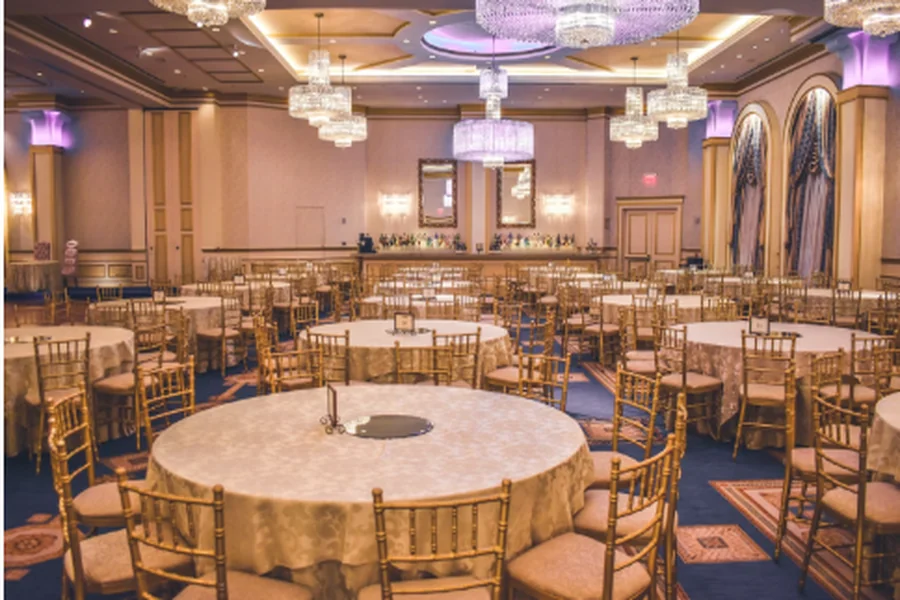
Securing the right venue is a crucial step in planning any event. From weddings and corporate conferences to exhibitions and creative showcases, the choice of location significantly influences the atmosphere, functionality, and overall success of an occasion. With a growing range of options available, organisers must approach venue hire with careful consideration, balancing practical requirements with aesthetic appeal to ensure every aspect of the event aligns with its intended experience.
Understanding Venue Categories
Venues differ widely in design, purpose, and flexibility. Traditional options, such as hotels and conference centres, are frequently chosen for their convenience and comprehensive facilities. Hotels often combine accommodation with event spaces, offering a practical solution for corporate gatherings or multi-day conventions. Conference centres provide specialised setups for large-scale meetings, equipped with professional audio-visual technology and adaptable room layouts.
Historic buildings, including estates, mansions, or restored heritage sites, offer a sense of prestige and grandeur. These venues are often selected for weddings, anniversaries, or exclusive celebrations where ambience and character are paramount. In contrast, non-traditional spaces, such as art galleries, industrial warehouses, rooftop terraces, and gardens, are increasingly sought for events that demand a distinctive or bespoke environment. These spaces allow organisers to exercise creativity in design, decoration, and layout, providing memorable experiences that stand apart from conventional settings.
Key Considerations in Venue Selection
Choosing the right venue requires a thorough assessment of several factors. Location is among the most significant considerations. Urban venues benefit from accessibility, public transport links, and proximity to amenities, making them suitable for business events and conferences. Rural or scenic venues, meanwhile, offer picturesque backdrops and a sense of retreat, appealing for weddings, retreats, and social gatherings where the environment enhances the event experience.
Capacity is another critical aspect. A venue must comfortably accommodate all attendees without appearing overcrowded or excessively empty. Understanding the expected guest count ensures the layout supports both movement and interaction, contributing to a pleasant atmosphere. Budget constraints also shape the decision-making process. Early identification of financial resources allows organisers to distinguish between essential features and desirable extras, supporting cost-effective choices and successful negotiations. Amenities, including catering services, audio-visual equipment, and parking, further influence suitability, adding convenience and value to the overall experience.
Timing and Availability
Planning is essential in venue hire, particularly for popular or high-demand locations. Many sought-after venues book months, if not years, ahead, and organisers must respect these lead times to secure preferred dates. Seasonal factors also play a role, affecting both availability and pricing. Peak periods, such as holiday seasons or weekends, often attract higher costs and limited slots, while off-peak dates may offer financial advantages and greater flexibility in planning. Timely decisions, therefore, not only ensure access to the desired venue but also optimise budget and logistics. In a city as fast-paced and competitive as New York, where the events landscape is especially dynamic, working with an experienced New York event planner can make a meaningful difference in navigating venue availability, understanding seasonal demand, and making well-timed bookings that align with both the event vision and the budget.
Legal and Safety Requirements
Every venue operates under specific regulations and legal obligations that organisers must consider. Events involving alcohol, live performances, or amplified sound may require particular licences. Compliance with health and safety standards is mandatory, encompassing fire regulations, accessibility requirements, and emergency protocols. By adhering to these obligations, organisers safeguard the well-being of attendees and minimise the risk of legal or operational complications, contributing to a smooth and secure event experience.
The Role of Venue Managers
Venue managers are central to successful event execution. Their familiarity with the space, operational procedures, and logistical possibilities provides invaluable support during planning and on the day itself. Managers act as key contacts for resolving challenges, coordinating services, and offering practical guidance on layout, equipment, and scheduling. Their expertise ensures that organisers can fully leverage the venue’s capabilities while avoiding common pitfalls, making them indispensable partners in event management.
Exploring Unique Options
Non-traditional venues are gaining popularity as organisers seek to create memorable and immersive experiences. Adaptive spaces, such as converted factories, rooftop terraces, or outdoor landscapes, provide opportunities for personalisation and innovative design. These settings enable organisers to break from conventional formats, crafting events that resonate with attendees and leave lasting impressions. The flexibility of such venues accommodates a range of themes, layouts, and activities, offering creative freedom that standard spaces may lack.
Leveraging Technology with Virtual Tours
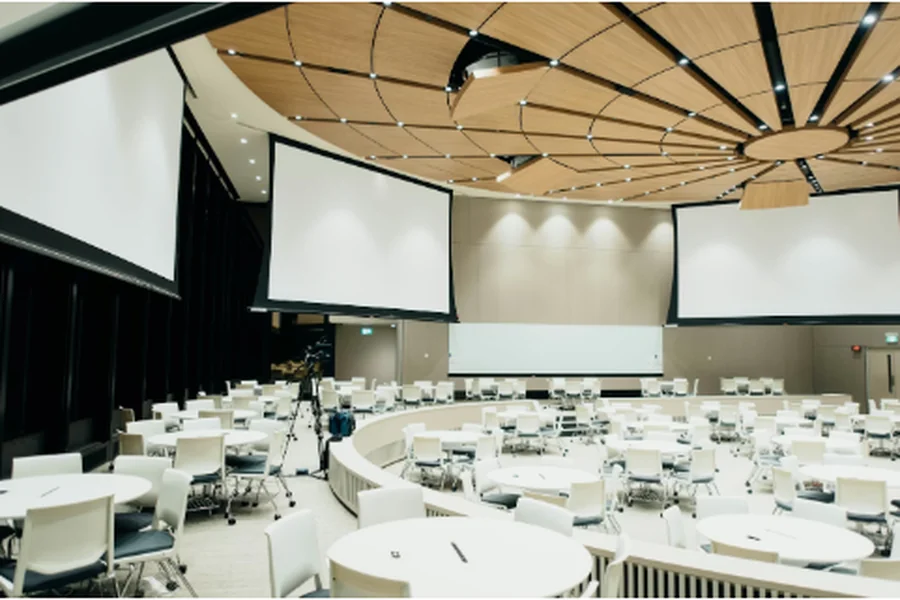
Technological advances have transformed the venue selection process. Virtual tours allow planners to explore spaces remotely, assessing layout, capacity, and ambience without multiple site visits. This approach saves time and resources while facilitating informed decision-making. Organisers can compare multiple options efficiently, narrow down the most suitable venues, and visualise potential setups before committing, improving overall planning accuracy.
Catering to Diverse Needs
Modern events often involve diverse requirements, from dietary restrictions to cultural or accessibility considerations. Collaboration with venue staff ensures these needs are met, enhancing guest satisfaction and preventing disruptions. Venues that demonstrate flexibility in services, catering, and facilities are particularly valued, as they can adapt to varying demands without compromising quality or experience.
Sustainability in Venue Hire
Sustainability is an increasingly important factor in venue selection. Many venues now incorporate eco-conscious practices, such as using locally sourced catering, reducing waste, and implementing energy-efficient systems. Selecting venues that prioritise sustainability aligns with broader environmental goals and resonates with attendees who value responsible practices, contributing to both the event’s social impact and its public perception.
Making the Right Choice
Ultimately, successful events rely on careful planning and informed decisions in venue hire. Organisers must balance practicality with creativity, considering location, capacity, amenities, timing, and legal requirements alongside their event vision. By conducting thorough research, engaging with venue managers, and leveraging technological tools, planners can identify venues that complement the event’s objectives and provide an environment conducive to engagement and enjoyment. Flexibility, foresight, and attention to detail remain essential in ensuring that each event is not only seamless but also memorable.