
Optimizing 401(k) Plans for Modern Workforces
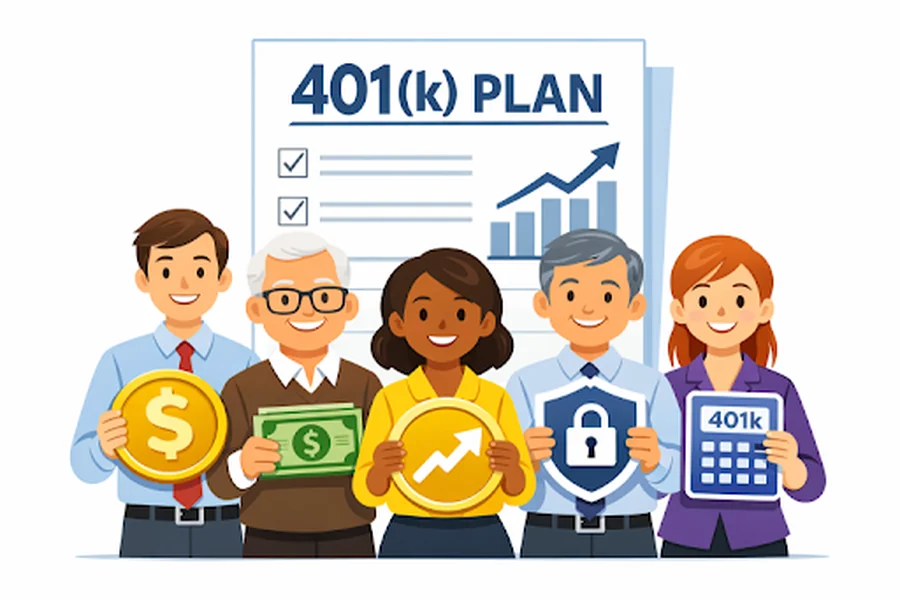
Today’s workforce is more diverse and dynamic than ever before, and employers are recognizing the importance of offering retirement solutions that respond to their employees’ unique needs. Organizations that prioritize flexibility and adaptability within their 401(k) plans stand to not only support long-term financial security but also boost employee retention. The advent of innovative solutions such as PathFinder retirement options provides plan sponsors and employees with simplified, streamlined management, making it easier to stay on track with retirement goals in a complex landscape.
Creating a well-structured and contemporary 401(k) plan is far more than a compliance task. It is a strategy to respond to changing demographics, work styles, and financial expectations. When employers design plans that are intuitive, accessible, and aligned with what modern employees want, they significantly improve outcomes for both their teams and the company as a whole.
Understanding Employee Needs
One of the fundamental steps to optimizing a 401(k) plan is to understand your workforce genuinely. With employees spanning multiple generations, financial needs can vary significantly; younger employees may be balancing student loans, while others might be planning for family or nearing retirement age. Employers who survey and engage with staff create more relevant and successful retirement solutions. Benefits tailored to diverse employee segments result in higher engagement and satisfaction.
Flexibility is central to meeting these requirements. A recent industry survey suggests that many American workers now expect retirement plans to support a wider array of financial goals, from immediate emergency savings to long-term investments. The ability to adapt plans to such evolving preferences is a differentiator for employers in competitive labor markets.
Strategic Plan Design
The foundation of a resilient and effective 401(k) plan lies in its design features. Automatic enrollment, for example, removes barriers to participation and increases overall savings rates. Automatic escalation, meanwhile, helps employees systematically increase contributions over time without the friction of manual changes. These foundational design elements have been shown to dramatically increase employee engagement and long-term savings habits.
Plan participants in organizations that utilize automation tend to save more consistently, which in turn improves the likelihood of financial readiness in retirement. By designing flexible investment options, including target-date funds and customized portfolios, employers can cater to various risk tolerances and financial objectives.
Effective Communication Strategies
Even the best-designed plans risk going underutilized if employees do not fully understand them. Clear and personalized communication is essential, particularly given the complexity of retirement planning. Tailored financial education, regular plan updates, and access to one-on-one support make a significant difference in boosting confidence and engagement with 401(k) plans.
Employers should offer guidance that addresses today’s financial landscape, including inflation, market volatility, and legislative changes. When employees receive communications crafted to their life stage and unique concerns, they are more likely to maximize the benefits of their retirement plans.
Leveraging Technology
Advancements in technology now enable plan sponsors to streamline management and make retirement planning tools more user-friendly. Self-service portals, digital account dashboards, and mobile apps empower employees to access real-time insights about their savings and adjust contributions or investment allocations with ease. These tools often include personalized education and calculators to help users envision their financial trajectory.
The impact of advisory platforms and robo-advisors, which offer algorithm-driven investment choices based on individual profiles, has also helped democratize financial advice. This can be particularly important for participants who may not otherwise seek traditional financial planning support.
Regular Plan Evaluation
Ongoing review of 401(k) plans is critical to ensuring that benefits remain on-trend with workforce evolution and compliant with regulatory updates. Feedback from plan participants provides invaluable insight into what is working and what can be improved. Benchmarking plan performance against industry standards and reviewing investment outcomes will also surface opportunities for adjustment.
Regulatory developments, such as updates from the Department of Labor or Internal Revenue Service, require action from plan sponsors. Those who prioritize annual or biannual evaluations are better equipped to manage both compliance and employee satisfaction effectively. Companies that regularly evolve their retirement offerings based on employee feedback are best positioned to attract and retain talent.
Conclusion
Modern employers who optimize their 401(k) plans by focusing on employee needs, thoughtful plan design, effective communication, and cutting-edge technology are creating a foundation for lasting financial security and business prosperity. Regular evaluation ensures relevancy and responsiveness to shifting trends, making these organizations leaders in workplace benefits. By adopting these strategies, employers can offer more than just a retirement plan: they deliver a meaningful step toward total financial wellness for their teams.