
Affordable Steps to Start Recovery from Substance Misuse
Key Takeaways
- Explore state-funded and non-profit programs for low-cost substance misuse treatment.
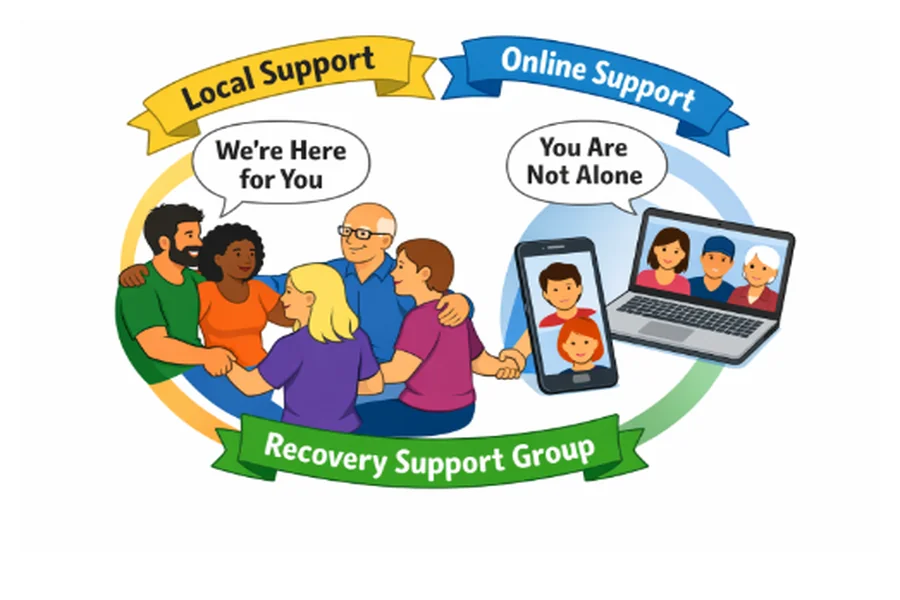
- Utilize local and online support groups to strengthen your recovery network.
- Opt for outpatient and telehealth services as less expensive alternatives to inpatient care.
- Prioritize healthy lifestyle habits and self-care for long-term progress.
Beginning your journey to overcome substance misuse is a major milestone, and while the cost of treatment can seem intimidating, many affordable solutions exist. Understanding your options can ease the process and offer hope for sustainable recovery. Anyone seeking support with detox in Colorado Springs can find budget-friendly resources tailored to their needs. Accessing the right help empowers individuals to regain control over their lives while managing costs.
Take comfort in knowing that recovery does not have to mean overwhelming expenses. By leveraging state-funded programs, support groups, and digital resources, you can create a comprehensive support network. Even those with a full schedule or limited mobility can benefit from virtual care, while lifestyle changes and a strong support system can further reinforce recovery efforts.
State-Funded Programs and Non-Profit Organizations
State-funded initiatives are one of the cornerstones of affordable addiction recovery, eliminating or drastically reducing costs for those who qualify. These programs are designed to be accessible and often include counseling, medication-assisted treatment, and case management. Eligibility usually depends on factors like income, residency, and severity of substance use, so it can be beneficial to start with a local health department or state-run substance abuse services directory.
Non-profit organizations also play a significant role in expanding access to recovery services. Many operate hotlines, drop-in centers, and offer community-based counseling. The Substance Abuse and Mental Health Services Administration (SAMHSA) provides free and confidential guidance, helping individuals locate nearby state-funded detox and rehabilitation programs. Leveraging these resources can remove cost-related barriers and provide a vital lifeline during difficult moments.
Community Support Groups and Online Resources
Peer-led support groups remain one of the most accessible and cost-effective resources for individuals pursuing recovery. Popular groups such as Alcoholics Anonymous (AA) and Narcotics Anonymous (NA) promote structured, confidential meetings that are usually free of charge. The sense of belonging and mutual understanding found in such groups can be vital to maintaining long-term sobriety.
Online platforms significantly expand the reach of support networks by offering educational materials, recovery toolkits, and virtual connections to therapists and peer communities. This digital support is especially helpful for those residing in remote areas or managing scheduling constraints. Many forums and helplines operate around the clock, delivering timely guidance, encouragement, and a sense of connection whenever it is needed most.
In addition to support groups, educational materials from established health sources, such as the Centers for Disease Control and Prevention (CDC), offer evidence-based insights into the prevention, recognition, and treatment of substance misuse. Staying well-informed is key to making empowered, low-cost decisions.
Outpatient Programs and Telehealth Services
Outpatient programs offer a flexible, affordable treatment option, allowing individuals to continue work, school, or caregiving responsibilities while receiving structured support. These programs typically include scheduled therapy, group counseling, and access to medications when needed. By minimizing the need for overnight stays, patients benefit from lower overall costs while maintaining continuity in their daily lives.
Telehealth services have made significant strides in substance misuse treatment by removing traditional access barriers. Virtual counseling, support groups, and medical consultations can be conducted securely from your home. This reduces travel expenses and allows for ongoing check-ins that may be more frequent or convenient than in-person visits. Many health insurance plans now cover telehealth therapy, and some providers offer sliding-scale fees based on income.
When selecting an outpatient or telehealth service, review program accreditations and peer testimonials. Reputable organizations often work collectively with state agencies and non-profits to streamline referrals and coverage, promoting a seamless—and economical—transition into recovery care. Major healthcare publications offer guidance on finding the right outpatient or virtual program for your situation.
Lifestyle Changes and Self-Care Practices
Successful recovery involves more than clinical treatment and peer support. At-home adjustments can make an extraordinary difference in your progress. Embracing regular exercise and balanced nutrition enhances mental and physical health, strengthens resilience, and boosts energy. Prioritizing high-quality sleep ensures your body and mind have the resources needed for change.
Mindfulness and stress management, such as yoga or meditation, help individuals regulate emotions and minimize triggers associated with relapse. Simple daily routines, like journaling or practicing gratitude, ground positive intentions and reinforce motivation. Building a network of encouraging relationships, whether friends, family, or sober coaches, fosters accountability and celebrates milestones, big and small.
Consistency in these areas supports a holistic approach to wellness and diminishes reliance on substances as a coping tool. Continuing to learn about healthy living by using reliable online sources, such as the National Institute of Mental Health (NIMH), adds valuable knowledge that sustains your path forward.
Taking the first steps toward recovery does not have to be financially overwhelming. Through a balanced combination of affordable community resources, flexible treatment options, and proactive lifestyle changes, anyone can access effective support. Your journey is unique, and the right resources can provide strength and encouragement without significant financial burden.