
How Intensive Outpatient Programs Help Individuals Maintain Balance
Key Takeaways
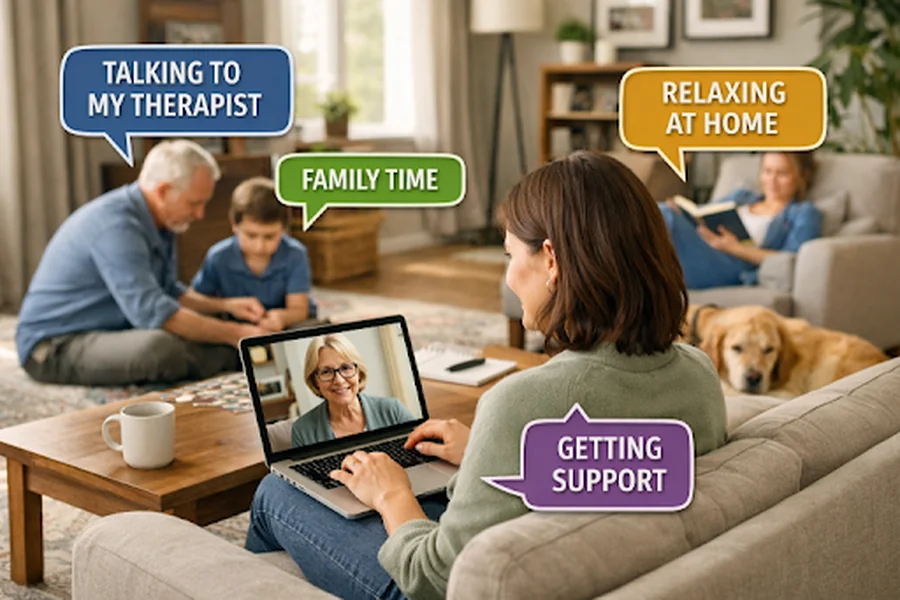
- IOPs provide structured therapy sessions that allow individuals to remain at home.
- Participants can continue managing work, education, and family obligations while receiving treatment.
- Programs are individualized, adapting to each person’s unique recovery needs and life circumstances.
- Gradual reintegration and skill-building during IOP participation foster confidence and sustained wellness.
Intensive Outpatient Programs (IOPs) offer a structured yet flexible approach to treatment, enabling individuals to receive comprehensive care while managing daily responsibilities. Those seeking supportive recovery options can explore programs like Brook Behavioral Health to find a nearby IOP suited to their needs. This article explores the essential ways IOPs help individuals maintain stability and balance during the recovery process.
Treatment does not need to disrupt your daily routine. IOPs provide a realistic opportunity for individuals to pursue personal recovery without the need for lengthy residential stays, making it feasible to balance critical life commitments with substantial therapeutic support.
Understanding Intensive Outpatient Programs
Intensive Outpatient Programs bridge the gap between inpatient care and less-structured outpatient therapy. IOPs are specifically designed for those who need more frequent or intensive clinical support but do not require around-the-clock care. Participants typically attend three to five sessions per week, which can include individual counseling, group therapy, skill development, and crisis management.
This structure allows individuals to live at home, maintain their everyday routines, and apply learned skills in real-life settings. According to Psychology Today, IOPs improve outcomes for individuals facing mental health or substance use challenges by combining accountability with flexibility.
Flexibility to Maintain Daily Responsibilities
The defining benefit of IOPs lies in their flexibility. Unlike residential programs, which require extended stays away from home, IOPs are built around participants’ schedules. This design helps those who must continue working, attending classes, or caring for family members.
Balancing treatment with personal responsibilities is essential for many individuals. Programs typically offer sessions in the evenings or on weekends, allowing participants to integrate recovery into their lives seamlessly. This flexibility makes IOPs particularly appealing for adults, parents, and students who require comprehensive care but cannot pause their daily commitments.
Personalized Treatment Plans
A hallmark of effective IOPs is the use of customized care plans. Upon joining a program, participants receive comprehensive assessments that inform the creation of an individualized treatment plan. These plans are tailored based on specific needs, diagnoses, and progress over time. Regular check-ins and adjustments ensure that challenges are addressed as they arise, maximizing treatment effectiveness and supporting lasting change.
Therapists work closely with each participant, helping them identify triggers, develop coping strategies, and set realistic goals. This individualized approach has been proven to improve recovery outcomes by ensuring that no two plans are identical, reflecting the diversity of challenges individuals face in recovery. More information on the benefits of customized care in outpatient settings can be found at the Substance Abuse and Mental Health Services Administration (SAMHSA).
Gradual Reintegration into Daily Life
IOPs differ from inpatient and residential programs by emphasizing gradual reintegration into daily life from the start. Regular opportunities to return home after therapy sessions help individuals practice healthy routines and apply newly learned skills in real-world situations. Reinforcing therapeutic principles in everyday settings supports resilience, self-efficacy, and independence.
Skill-building, such as time management, healthy communication, and stress reduction, is central to the process. Real-time feedback from therapists and peers allows individuals to adjust their strategies, fostering lasting behavioral change. This approach not only addresses recovery in a clinical setting but also empowers individuals to succeed outside of treatment.
Supportive Community Environment
Group therapy is a cornerstone of IOPs, providing a space for individuals to connect, collaborate, and support one another. The shared experience helps to reduce feelings of isolation and fosters a strong sense of community. Mutual support and encouragement promote accountability and strengthen commitment to recovery goals.
Participants also benefit from diverse perspectives and constructive feedback from group members. For many, this camaraderie and collective wisdom are invaluable resources on the path to recovery.
Evidence-Based Approaches
Quality IOPs utilize therapies rooted in decades of research. Cognitive-behavioral therapy (CBT), dialectical behavior therapy (DBT), and motivational interviewing are among the most commonly used evidence-based treatments. These interventions address underlying thought patterns, develop emotional regulation skills, and reduce the risk of relapse.
A commitment to science-backed care ensures that IOP participants have access to strategies and tools that have consistently demonstrated effectiveness in clinical practice. For more information about evidence-based therapies and their impact on outpatient care, visit the Substance Abuse and Mental Health Services Administration (SAMHSA).
Conclusion
Intensive Outpatient Programs (IOPs) provide structured clinical support while allowing individuals to maintain work, school, and family responsibilities. These programs typically include therapy sessions, skill-building activities, and regular check-ins designed to address mental health or substance use challenges. With flexible scheduling and personalized treatment plans, participants can apply coping strategies in real-world settings and gradually reintegrate into daily life. The supportive group environment also fosters accountability and shared encouragement. By combining professional guidance with practical flexibility, IOPs help individuals build resilience and maintain progress. For those seeking meaningful care without stepping away from commitments, IOPs offer a sustainable path toward long-term recovery.