
How to Use a Foam Gymnastic beam for Home Practice
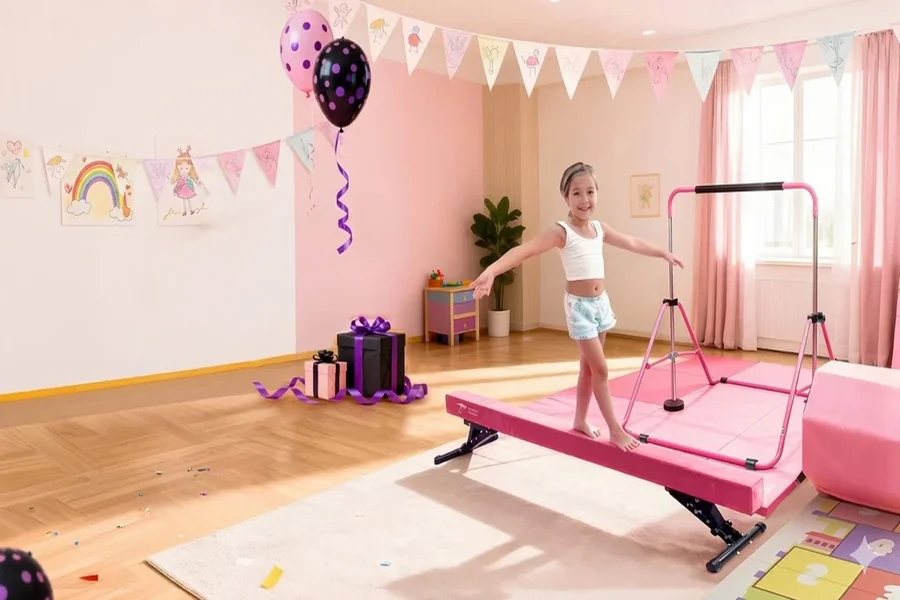
Home gymnastics practice works best when it is simple, structured and focused on fundamentals. For beginners especially, the aim is not to recreate a full training environment, but to reinforce basic movement patterns between classes. A Foam Gymnastic beam is often chosen for this purpose because it can support controlled balance drills and help young gymnasts become more familiar with beam-style movement.
Used appropriately, it can be a practical addition to home practice. The key is understanding what type of training it suits and how to keep sessions realistic and age-appropriate.
Keep practice centred on basics
At home, beam work should remain limited to foundational skills. Walking with control, pausing in balance positions and practising careful turns are usually more useful than trying advanced elements. These basic drills support coordination and reinforce what has already been introduced in a coached setting.
Simple repetition is often enough to make a difference. A short, consistent practice routine can help beginners remember posture cues and improve confidence without creating unnecessary pressure.
Focus on technique rather than difficulty
One of the most common mistakes in home practice is progressing too quickly. Gymnastics skills depend on clean technique, and that starts with attention to detail. Even a straightforward walking drill can be valuable when the gymnast works on arm position, core control and steady foot placement.
A foam beam is well suited to this type of technical repetition. It encourages athletes to slow down and think about how they are moving rather than rushing to complete a skill.
Create a calm practice environment
Children usually learn better when the environment is free from distraction. Practising in a clear space with enough room around the beam can help the gymnast concentrate on the task at hand. Sessions should feel calm and purposeful rather than competitive.
This is particularly important for beginners. If a child feels pressured to perform, they may lose focus on technique. A relaxed setting supports better habits and a more positive attitude toward practice.
Use short sessions consistently
Long sessions are rarely necessary for beginner beam work. In many cases, ten to fifteen minutes of focused practice is enough. The goal is to reinforce movement quality, not to cause fatigue or frustration.
Regular short sessions can also help children stay engaged. They are more likely to maintain concentration when the practice is manageable and predictable.
Reinforce what is taught in class
Home equipment works best when it complements formal coaching. Families can use a foam beam to revisit familiar drills and encourage consistency, but it should not replace professional instruction. Sticking to known exercises helps maintain a safe and realistic approach.
This also makes practice more meaningful. When children repeat the same cues they hear in class, they are more likely to understand and retain them.
Good home practice starts with the right expectations
A useful home training routine is not about doing more difficult skills. It is about supporting strong basics, good habits and steady confidence. For beginners, a foam beam can be an effective way to practise balance and coordination in a simple, controlled setting that aligns well with early gymnastics development.