
Signs You Might Need Orthodontic Treatment as an Adult
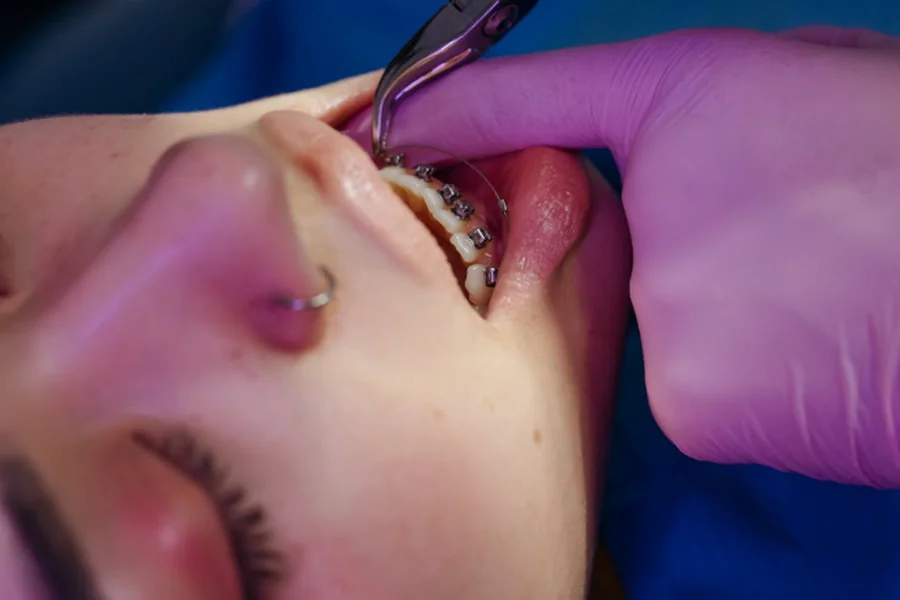
Many adults in Waterford, CT assume orthodontic treatment is something you deal with during your teenage years. Then one day, they notice their teeth look more crowded in photos, floss keeps getting stuck in the same area, or their jaw feels sore after a long day. These changes usually happen slowly, which makes them easy to ignore.
Adult orthodontic issues often affect daily comfort more than people realize. A shifting bite can make chewing uneven. Crowded teeth can make brushing harder. Some adults even develop headaches or jaw tension linked to alignment problems. The good news is that modern orthodontic care gives adults more flexible options than ever before. Clear aligners, smaller braces, and digital treatment planning have made the process more comfortable and less disruptive to everyday life.
Teeth That No Longer Sit the Same Way
Many adults first notice a problem when their teeth stop looking the way they used to. A small overlap between the front teeth may become more noticeable over time. Some people see gaps appear near the sides of their smile. Others realize their retainer from years ago no longer fits properly. Teeth naturally shift as we age, especially when wisdom teeth, grinding, or bite pressure affect alignment.
This kind of movement can create more than cosmetic concerns. Crowded teeth collect plaque more easily because toothbrush bristles cannot reach tight spaces well. Shifting teeth may also change the way your bite feels while eating. Many adults consult the best orthodontist in Waterford CT after noticing these gradual changes in their smile. An orthodontic evaluation can help determine whether the movement is mild or part of a larger alignment issue.
Constant Cheek Biting During Meals
Accidentally biting the inside of your cheek once in a while is normal. Repeated cheek or lip biting usually points to a bite alignment problem. When teeth do not meet properly, the soft tissue inside the mouth can get caught between them during chewing or talking. Many adults live with this issue for years without realizing their bite may be causing it.
This problem often becomes worse while eating quickly or speaking for long periods. Some people develop sore spots inside the mouth that never fully heal because the same area keeps getting irritated. Uneven bites can also place extra pressure on certain teeth, which affects comfort over time. Orthodontic treatment can help improve the way the upper and lower teeth fit together, reducing irritation and making everyday activities feel more natural.
Jaw Tension That Keeps Coming Back
Jaw discomfort often gets blamed on stress, poor sleep, or long workdays. In some cases, the real issue comes from the way the teeth and jaw fit together. An uneven bite can force the jaw muscles to work harder than they should during chewing, speaking, and even resting. This extra strain may lead to soreness around the jaw, headaches near the temples, or tension that spreads into the neck.
Some adults also hear clicking sounds when opening or closing their mouth. Others wake up with jaw stiffness after grinding their teeth overnight. While orthodontic treatment is not the solution for every jaw problem, correcting bite alignment can reduce unnecessary pressure in many cases. An orthodontist can evaluate whether your symptoms connect to the way your teeth currently meet.
Teeth Showing Uneven Wear Too Early
Teeth naturally wear down over time, but uneven wear patterns usually suggest a bite issue. Some adults notice certain teeth look flatter, shorter, or more chipped than others. This happens when specific areas absorb too much pressure during chewing or grinding. An unbalanced bite often causes one side of the mouth to work harder, which increases stress on individual teeth.
Many people ignore these early signs because they assume wear is simply part of aging. The problem becomes more serious when the enamel starts thinning or sensitivity develops. Small chips can also grow larger over time and require restorative dental work later. Orthodontic treatment can help distribute biting pressure more evenly across the teeth. This protects the teeth from further damage and supports better function during everyday eating and speaking.
Certain Foods Have Become Harder to Eat
Bite problems can change the way food feels while chewing. Some adults avoid crunchy or chewy foods because biting into them feels awkward or uncomfortable. Others notice they chew mostly on one side of the mouth without thinking about it. These habits sometimes develop because the teeth no longer meet evenly. Over time, uneven chewing can place extra stress on certain teeth and jaw muscles.
People with alignment issues may also struggle to bite cleanly into foods like sandwiches, apples, or pizza crust. Food can slip awkwardly between uneven teeth, making meals less comfortable than they should be. Orthodontic treatment can improve how the teeth connect during chewing. Better alignment often creates a more balanced bite, which helps the mouth function more naturally during everyday eating.
Changes in the Way You Speak
Teeth play an important role in speech clarity. Certain sounds require the tongue and teeth to work together in a very specific way. When teeth shift out of alignment or large gaps develop, some adults begin noticing small pronunciation changes. Words may sound less sharp, or certain sounds may feel harder to form clearly during conversations.
Speech changes linked to orthodontic issues are usually subtle at first. Many people notice them during presentations, phone calls, or recordings rather than casual conversations. Bite problems can also affect tongue placement, especially when the front teeth no longer meet properly. An orthodontic evaluation can help determine whether tooth alignment contributes to speech difficulties. Improving alignment may support clearer speech patterns and make everyday communication feel more comfortable and natural over time.
Orthodontic problems in adults rarely appear overnight. Most people notice small changes first, such as shifting teeth, jaw tension, or difficulty cleaning certain areas properly. These issues may seem minor in the beginning, though they often become more noticeable with time. Paying attention to these signs can help prevent future dental problems and improve daily comfort.
Modern orthodontic treatment gives adults more flexible choices than they had years ago. Clear aligners, updated braces, and digital treatment planning have made care more practical for busy schedules and professional lifestyles. If your teeth, bite, or jaw no longer feel the way they used to, it may be worth scheduling an orthodontic evaluation. A healthier bite can improve comfort, oral hygiene, and confidence in ways many adults do not expect.