
America’s Used Car Boom Is Creating New Concerns Over Odometer Fraud and Vehicle Safety
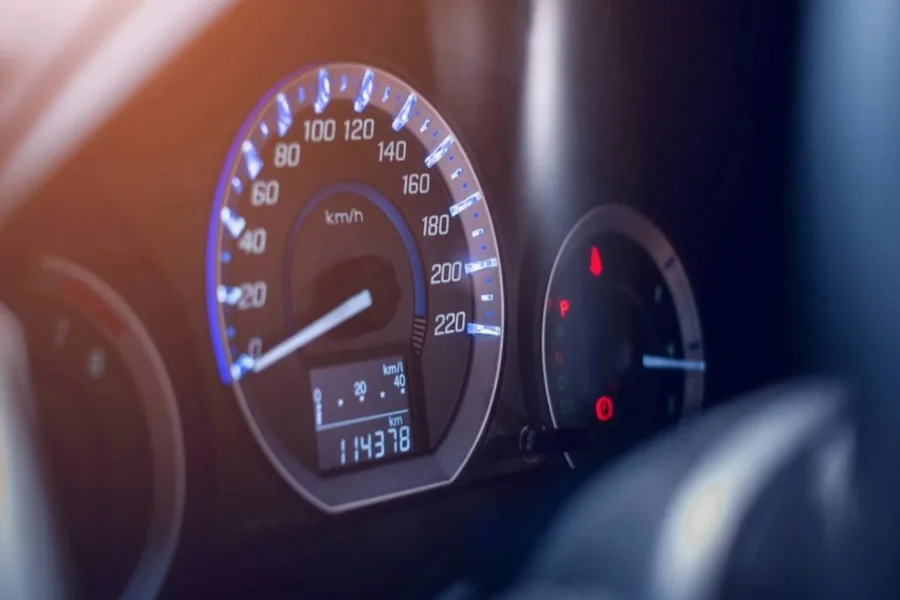
The American used-car market has undergone major changes in recent years. Rising vehicle prices, supply chain disruptions, higher interest rates, and affordability pressures have pushed more consumers toward pre-owned vehicles, while Americans overall are keeping cars longer than ever before.
But according to a recent study conducted by Sweet James, the expansion of the used vehicle market may also be increasing exposure to one of the automotive industry’s oldest forms of fraud: odometer tampering.
Released in recognition of National Odometer Day, the research examined how manipulated mileage readings affect vehicle pricing, maintenance decisions, and roadway safety across the United States. Researchers found that odometer fraud remains widespread despite advances in digital vehicle technology and federal anti-tampering laws.
According to the study, consumers lose more than $1 billion annually due to odometer fraud nationwide. Hundreds of thousands of vehicles are estimated to have falsified mileage readings each year, with manipulated odometers often increasing resale values by several thousand dollars per vehicle.
The economic incentives behind the fraud are substantial.
Mileage remains one of the most influential factors in determining used vehicle pricing. Lower-mileage vehicles typically command significantly higher resale values because buyers associate lower mileage with reduced wear, fewer repairs, and longer remaining lifespan.
Researchers found fraud schemes often target vehicles approaching major mileage thresholds such as 100,000 miles, where resale values frequently decline sharply. Rolling back mileage can temporarily disguise a vehicle’s true age and maintenance needs while dramatically increasing its market price.
But the study suggests the consequences extend well beyond inflated purchase prices.
Modern vehicles rely heavily on mileage-based maintenance schedules. Oil changes, brake servicing, timing belt replacement, transmission maintenance, tire replacement, suspension inspections, and numerous other safety-critical services are tied directly to mileage intervals recommended by manufacturers.
When mileage is falsified, owners may unknowingly delay maintenance far beyond safe operating ranges.
Researchers warned this can increase risks involving brake deterioration, tire failures, steering instability, engine malfunctions, and suspension wear — all of which may contribute to roadway emergencies or crashes.
The issue may become more significant as the average age of vehicles on American roads continues climbing.
Vehicles in the United States now average more than 12 years old, reflecting a combination of improved engineering durability and rising replacement costs. Many consumers are postponing new vehicle purchases entirely due to affordability concerns, increasing reliance on older used inventory where accurate mileage reporting becomes especially important.
The study also noted that odometer fraud has become technologically more sophisticated.
Mechanical odometer rollback methods once required physically manipulating dashboard components. Today, many digital odometers can be altered electronically using specialized devices capable of rewriting mileage data within vehicle computer systems.
Because digital dashboards often leave few obvious signs of tampering, consumers may struggle to detect fraud without detailed inspections or vehicle history research.
Researchers identified interstate title transfers as a recurring vulnerability.
Fraudulent sellers sometimes move vehicles between states to exploit inconsistencies in reporting systems, inspection standards, and title branding regulations. In some cases, mileage discrepancies may disappear or become harder to trace after multiple transfers between jurisdictions.
Natural disaster recovery markets present additional concerns.
Flood-damaged vehicles from hurricanes and severe weather events are frequently resold nationwide after being transported away from affected regions. Researchers found some vehicles involved in disaster-related resale markets may carry both hidden damage histories and altered mileage records.
The growth of online vehicle sales has further transformed the fraud landscape.
Consumers increasingly purchase vehicles through online listings, auction platforms, and remote delivery services without conducting extensive in-person inspections. While many platforms provide vehicle history integrations, fraudulent listings remain a concern, particularly in peer-to-peer sales environments.
Researchers also pointed toward recent economic conditions as a possible fraud accelerator.
Used vehicle prices rose dramatically during the post-pandemic period due to inventory shortages and production disruptions. Higher prices increased the financial incentive for fraudulent mileage reductions, particularly on trucks, SUVs, and high-demand commuter vehicles where small mileage adjustments could yield major resale profits.
The study found consumer education remains one of the most important defenses against fraud.
Vehicle history reports, maintenance documentation, title consistency, inspection records, tire wear patterns, dashboard condition, and service stickers can all help identify potential discrepancies between a vehicle’s stated mileage and its actual condition.
Still, many consumers continue relying primarily on dashboard readings alone when evaluating used vehicles.
Federal odometer fraud laws impose criminal penalties and civil liability for tampering, yet enforcement remains difficult because fraudulent activity often involves layered transactions, falsified records, or sophisticated electronic manipulation techniques.
Researchers ultimately concluded that odometer fraud represents both a consumer protection issue and a growing safety concern tied to America’s aging vehicle fleet.
As more Americans depend on older used vehicles amid rising transportation costs, accurate mileage reporting may become increasingly critical not only for fair pricing but also for ensuring drivers properly maintain vehicles before hidden mechanical wear creates potentially dangerous roadway conditions.