
Burning Smell From an Outlet: What It Means and What to Do First
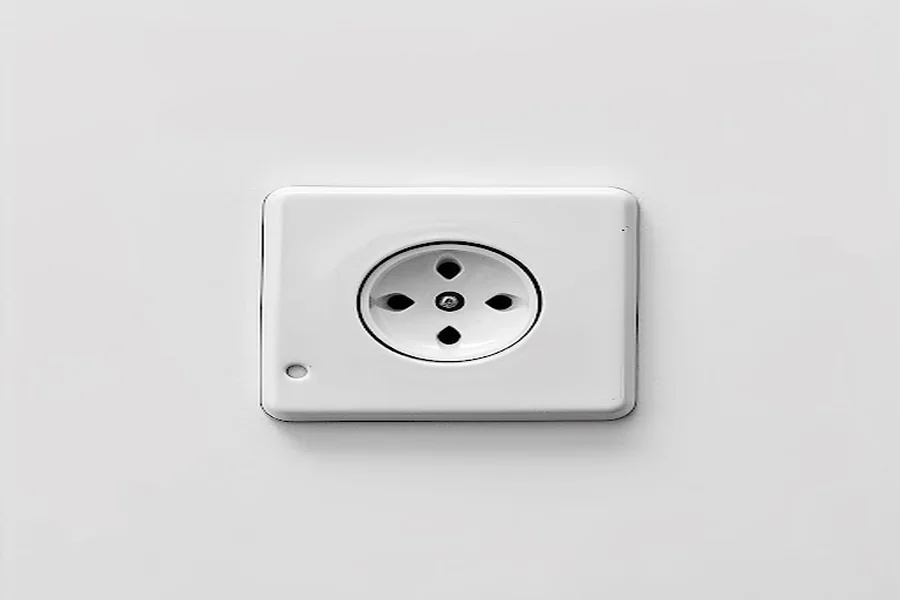
You get that feeling when you smell a faint burning smell around an outlet. Kind of frightening in a way a leaky faucet isn’t. Electrical concerns take on a special importance. Contractors who do HVAC, plumbing and electrical services often remark that outlet smells are among the calls they wish homeowners had made sooner, rather than after something went wrong. San Jose electrical services pros said many outlet fires may have been prevented if they had been addressed earlier.
Don’t brush it off. Even a brief, faint smell deserves investigation. Your nose is often the first alarm system your home has.
What a Burning Smell From an Outlet Actually Indicates
The stench typically suggests something is running too hot. It could be insulation on the wiring, a piece of plastic on the interior of the outlet itself or a buildup of heat from a loose connection. It can also smell of burnt plastic. Sometimes it’s a scorching, metallic taste. Either way, heat is being generated somewhere it shouldn’t be.
Outlets are not supposed to provide a heat byproduct. When it happens, the electrical energy is being changed to something different than the power you want to use.
Most Common Causes of a Burning Smell From an Outlet
Loose wiring is probably the most frequent culprit. When wires aren’t tightly connected, electricity has to arc across small gaps and that arcing produces heat, and eventually char. It can happen in outlets that have been in place for decades without anyone touching them; the connections simply work themselves loose over time.
Another typical cause is overloading. Overloading an outlet with too many devices or running high-draw appliances through a single circuit pushes more current through the wiring than it was rated to manage. The electrical outlet problems that result from overloading generally don’t look spectacular. The outlet just slowly degrades.
Old or damaged wiring is also worth mentioning. Homes built before the 1980s may still have aluminum wiring or cloth-insulated cables that are well past their safe lifespan. These are among the more serious electrical outlet burning smell causes, because the risk isn’t isolated to one outlet it runs throughout the circuit.
Warning Signs That the Situation Is Becoming Dangerous
Discoloration around the outlet face is a red flag. Brown or black scorch marks mean heat has already escaped the internal components. Outlets that feel warm to the touch, not just the plug, but the wall plate, are another sign something’s wrong.
Flickering lights on the same circuit, breakers that trip again and again or outlets that buzz or crackle are all things to take carefully. In some respects, a burning smell that comes and goes is more unnerving than one that is constant. It signifies intermittent arcing, which is impossible to predict and more difficult to catch.
What to Do Immediately If You Notice a Burning Smell
Stop using that outlet. Unplug everything from it right now. If the scent is severe or you notice any scorching, go to your breaker panel and shut off that circuit completely. Don’t wait to see if it will go away by itself.
If the scent is coming from more than one place, or you can’t figure out where it’s coming from, turn off the main breaker and call an electrician. That’s not overreacting, that’s the appropriate decision.
What NOT to Do in This Situation
Don’t keep using the outlet to “test” whether the smell comes back. Keep water away from it. And don’t think the problem has been fixed just because a GFCI reset or turning the breaker off and back on has fixed the problem. Those are temporary power cuts. They don’t fix a bad connection.
Until the problem is identified, do not use plug-in air fresheners or extension cables in surrounding outlets. Adding load to a compromised circuit isn’t a risk worth taking.
When You Need a Professional Electrician Immediately
If you see sparks, visible burn marks, or the smell is accompanied by smoke — that’s an emergency. Call 911 first, then your electrician. If the smell is there but milder and you’ve already cut power to the circuit, you still need a licensed electrician before restoring power to that area.
This isn’t a DIY fix. Outlets carry line voltage, and a misdiagnosed repair can leave a hazard hidden inside your wall. Electrical outlet burning smell causes range from minor to severe, and only a proper inspection can tell you which you’re dealing with.
In Conclusion
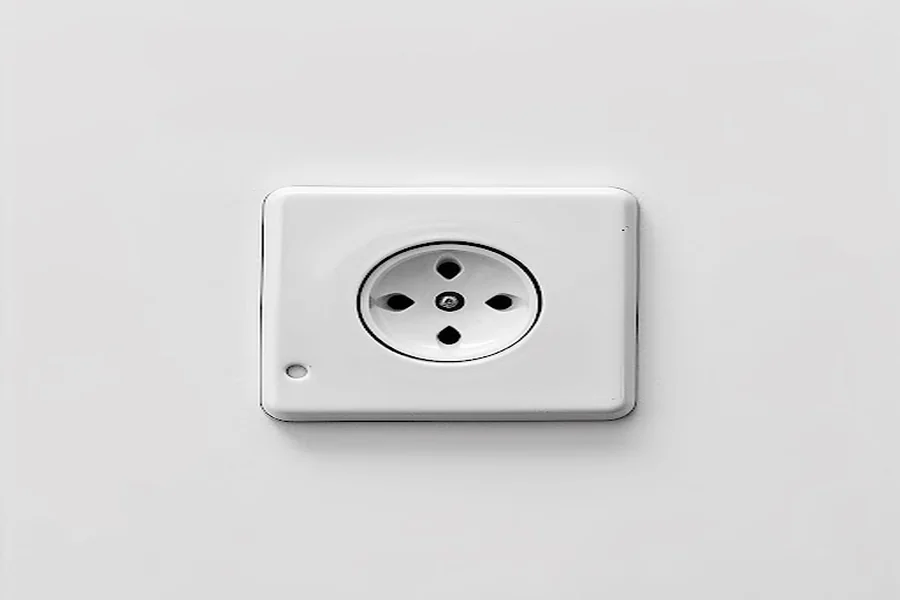
If you detect a burning scent from an outlet, the best thing you can do is approach it as urgent, not frightened, but prompt. Disconnect the electricity, stop using the circuit and call a competent electrician. The electrical fire warning signs usually don’t all surface at once. They tend to develop slowly. The smell is your early warning. Act on it.