
Dining Room Renovation: A Fresh Start for the Heart of the Home
Introduction: Why the Dining Room Matters
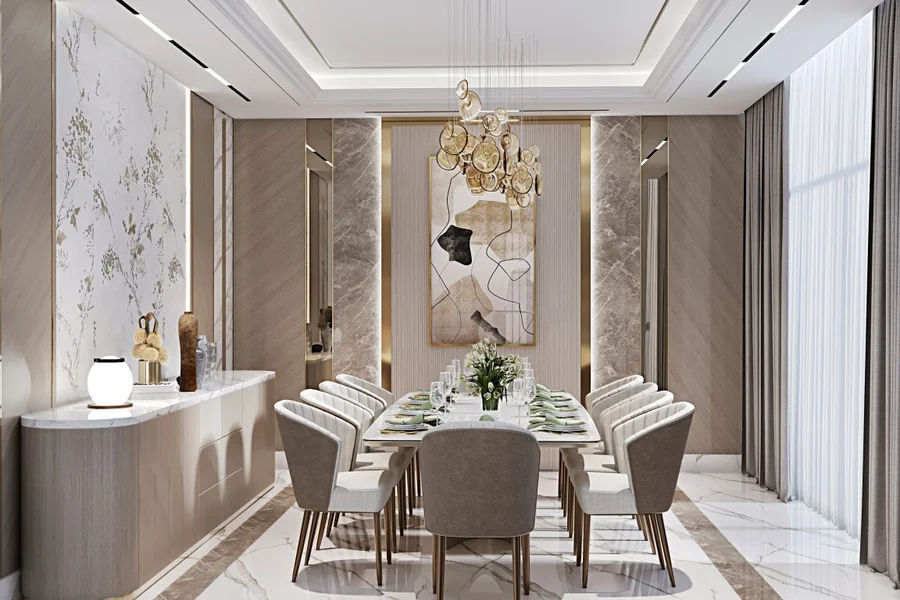
A dining room is more than just a place to eat meals. It’s where conversations happen, celebrations unfold, and everyday life slows down for a moment of connection. Over time, though, this space can start to feel outdated, cramped, or uninspiring. A dining room renovation doesn’t always require a full rebuild; even small, thoughtful changes can transform the atmosphere completely. Whether you’re aiming for a modern look, a cosy traditional feel, or something in between, renovating your dining room is an opportunity to reflect your lifestyle and personality. The key is to balance practicality with design so the space feels both functional and inviting for everyday use and special occasions alike.
Planning the Renovation: Setting Clear Goals
Before picking paint colours or buying new furniture, it’s important to plan the renovation properly. Start by identifying what isn’t working in your current dining room. Is it too dark? Too cluttered? Lacking storage or seating? Once you understand the issues, you can set clear goals for the transformation. Budget is another essential factor—deciding early how much you’re willing to spend helps guide all future decisions. It’s also useful to think about how often you use the dining room. If it’s a daily family space, durability and comfort should come first. If it’s mainly for entertaining, you might prioritise style and statement pieces. A well-thought-out plan prevents impulse purchases and ensures the final result feels cohesive rather than pieced together.
Choosing a Style That Fits Your Home
Style plays a huge role in setting the tone of a renovated dining room. Some people prefer a minimalist look with clean lines and neutral colours, while others enjoy a more rustic or traditional atmosphere with warm tones and textured materials. You might also explore modern farmhouse, Scandinavian simplicity, or even a bold contemporary style with strong colours and striking art pieces. Consistency is key—the dining room should feel like a natural extension of the home rather than a disconnected space. Choosing a colour palette early helps guide decisions about furniture, flooring, and décor. Soft neutrals can make a room feel larger, while deeper shades add warmth and intimacy.
Furniture and Layout: Making the Space Work
Furniture is the foundation of any dining room renovation. The table is the central piece, so its size and shape should match both your space and your needs. Round tables work well in smaller rooms and encourage conversation, while rectangular tables are ideal for larger gatherings. Chairs should be comfortable enough for long meals but also visually align with the room’s design. In many homes, updating seating doesn’t always mean replacing everything—adding or changing dining chair slipcovers can instantly refresh the look of the space while protecting existing furniture and introducing new textures or colours. Layout is just as important as furniture selection. There should be enough space to move comfortably around the table without feeling cramped. In smaller dining rooms, multifunctional pieces such as benches or extendable tables can improve flexibility. Storage options like sideboards or cabinets also help maintain a clean, organised look while adding visual balance.
Lighting and Ambience: Setting the Mood
Lighting can completely change the feel of a dining room. A single overhead light may be functional, but layered lighting creates depth and warmth. Pendant lights above the table remain a popular choice, offering both style and focus. Wall lighting or floor lamps can soften the atmosphere, making the space feel more inviting in the evenings. Natural light should be maximised wherever possible, so avoiding heavy curtains can help brighten the room during the day. Installing dimmers is a simple but effective upgrade, allowing the mood to shift easily from bright daytime meals to intimate evening gatherings. The right lighting design turns a dining area into a versatile, comfortable environment.
Final Touches: Adding Personality and Warmth
Once the main renovation elements are in place, finishing touches bring personality into the space. Artwork, mirrors, and decorative accents help make the room feel lived-in and expressive. A rug under the dining table can define the area and add softness, especially on hard flooring. Table styling, such as simple centrepieces or seasonal décor, enhances the atmosphere without overwhelming it. Plants introduce a natural, refreshing element that softens structured furniture lines. Even small details like coordinated tableware or woven baskets for storage contribute to a polished finish. These final layers complete the transformation, turning a renovated dining room into a welcoming space that feels both functional and full of character.