
The Transformative Power of Volunteerism in Building Stronger Communities
Key Takeaways
- Volunteerism strengthens community bonds and addresses local challenges.
- Corporate volunteer programs enhance employee engagement and community impact.
- Individual volunteers are vital for supporting nonprofit initiatives.
- Government initiatives can significantly boost volunteer participation.
- Recognizing volunteers encourages sustained community service.
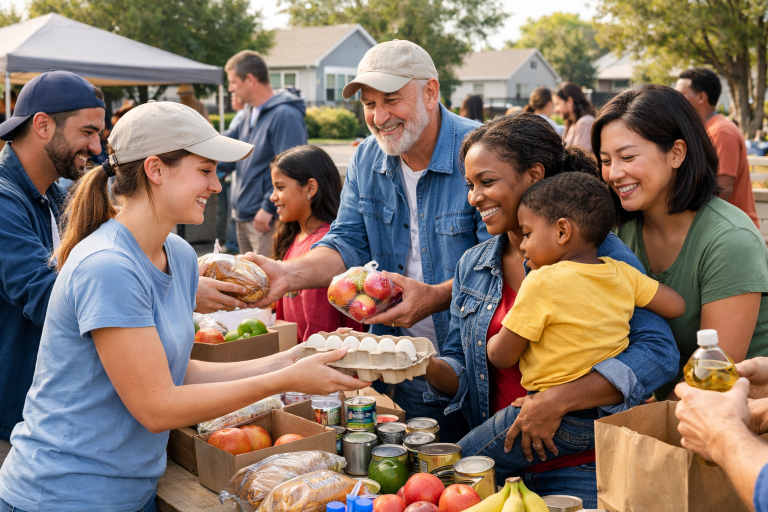
Volunteerism is the heartbeat of thriving communities, nurturing connections, and addressing a wide range of local needs. Participating in service not only uplifts recipients but also deeply enriches volunteers' lives. This meaningful act creates a ripple of positivity, spreading goodwill throughout neighborhoods and cities. If you're considering stepping out to serve others, opportunities like International Christian mission trips offer a unique chance to make a difference both locally and globally.
Communities that embrace volunteer service experience a profound collective impact. This sense of unity allows individuals from different backgrounds to work together toward common goals, enhancing the quality of life for everyone. Giving back through volunteerism also provides a valuable perspective, helping volunteers develop empathy and resilience as they witness and address the challenges others face. Most importantly, volunteer-driven initiatives fill crucial gaps where resources might otherwise fall short. Whether organizing food drives, supporting education, or responding to natural disasters, volunteers play a critical role in bridging societal divides. Real-world examples, such as the 2025 collaboration between United Way Hands On and Publix, which delivered 20,000 toys to families, highlight the tangible difference collective effort makes in addressing immediate needs and fostering a sense of belonging. If you're curious about what to expect in a Christian mission trip, learning more can help you take the next step toward meaningful service, wherever you choose to participate.
The Impact of Volunteerism on Communities
Volunteers are the bridge that connects people to services and resources they might not otherwise access. Local campaigns frequently showcase this, such as community-wide efforts to supply schoolchildren with backpacks, meals, or enrichment programs. Initiatives like these strengthen the fabric of society by ensuring that no one is left behind. Volunteers not only respond to immediate needs but also contribute to long-term outcomes such as improved well-being, increased civic engagement, and a more inclusive atmosphere. Frequently, volunteers form robust networks of support that persist long after a particular event ends. A lasting sense of fellowship and shared purpose emerges, leading to deeper relationships within neighborhoods and communities.
Corporate Volunteer Programs: A Win-Win
Corporate volunteer programs have become a cornerstone for companies wishing to foster a culture of giving back. These programs, often orchestrated by human resources or social responsibility departments, not only benefit local communities but also improve employee morale and teamwork. The Volunteer Center of Brown County is a sterling example, offering a Workplace Volunteer Council to help employers initiate and expand volunteer opportunities. By encouraging staff to engage in community projects, businesses help create a sense of pride and accomplishment that extends both inside and outside the workplace. These corporate initiatives tend to yield impressive returns, such as increased employee loyalty and positive recognition in the broader community. When workers participate in team-based volunteering, it often leads to stronger collaboration skills and enhanced job satisfaction.
Individual Volunteers: The Heartbeat of Nonprofits
At the core of nearly every nonprofit organization is an army of dedicated individual volunteers. Their passion for service drives mission-oriented projects ranging from soup kitchens and tutoring programs to neighborhood cleanups and healthcare initiatives. Recognition of individual efforts, such as the United Way’s annual tributes in Iredell County, demonstrates the ongoing importance of personal commitment. Volunteers often become change agents, sparking movements that extend far beyond the original scope of a single initiative. Their stories inspire others to get involved and help to sustain the broader movement over time.
Government Initiatives to Boost Volunteerism
Municipalities and state governments have a vital part to play in promoting and scaling volunteer activities. For example, in 2024, New York City announced plans to expand service opportunities by 25 percent, intending to engage 55,000 residents in annual volunteer work. Such government-led efforts often involve partnerships with nonprofits and private sector organizations to maximize resources and impact. Increasingly, these initiatives are tailored to meet the unique needs of specific neighborhoods, helping address issues such as food insecurity and disaster preparedness with precision and purpose.
Recognizing Volunteers: Encouraging Continued Service
Formal recognition is a crucial motivator for ongoing volunteer engagement. Awards ceremonies and public acknowledgments, like those led by Virginia Governor Youngkin in 2025, not only celebrate outstanding contributions but also inspire others to follow suit. When volunteers feel appreciated and valued, they are far more likely to continue serving and to encourage others within their circle to participate as well. These celebrations create a culture of gratitude, further reinforcing the importance of giving back within all segments of the community.
How to Get Involved
Taking the first step into volunteering can be straightforward. Consider these practical steps:
- Identify causes you are passionate about, such as education, environmental conservation, or elder care.
- Research local organizations whose missions align with your interests.
- Contact these organizations to inquire about their volunteer opportunities and onboarding processes.
- Set a realistic schedule that fits with your other commitments to ensure you can contribute consistently.
- Invite friends or family members to volunteer with you, amplifying the impact through group service.
Conclusion
Volunteerism acts as a catalyst for positive social change, uniting individuals, corporations, and public institutions toward shared goals. By participating in community service, whether through international mission trips, workplace initiatives, or neighborhood projects, every person can help foster resilience, compassion, and hope. The power to transform lives and entire communities starts with a single act of service.