
Building Healthy Habits That Lead to Sustainable Results
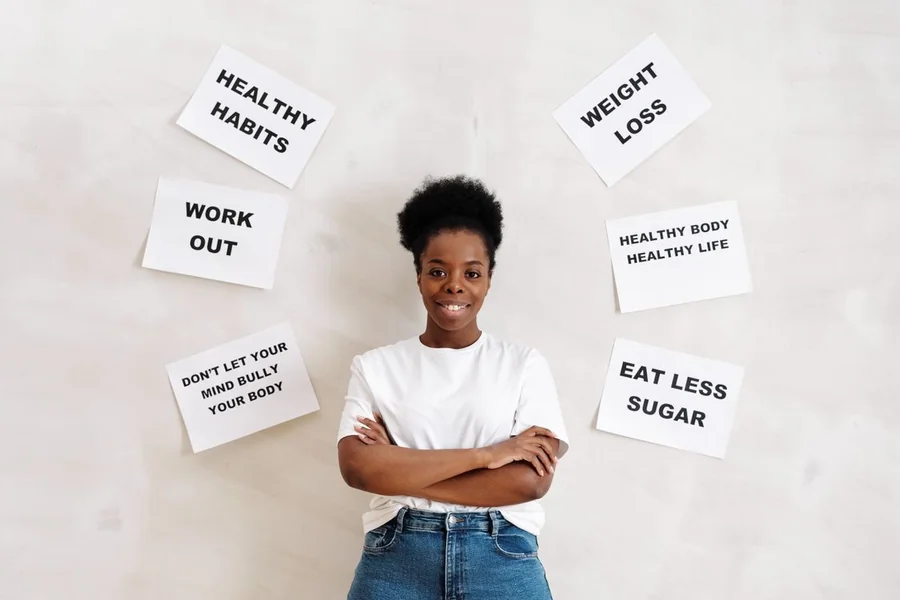
Have you ever wondered why so many people start strong with health goals in January but struggle to keep them going by spring? The answer usually has less to do with motivation and more to do with habits. Sustainable results come from consistent actions that fit real life. While social media often celebrates dramatic transformations, lasting health is usually built through small decisions repeated over time.
Why Sustainable Change Matters More Than Quick Results
Modern culture loves speed. We can order groceries in minutes, stream movies instantly, and receive same-day deliveries. It is no surprise that many people expect health improvements to happen just as quickly. Yet the body rarely follows the pace of modern convenience.
Research continues to show that gradual lifestyle changes tend to produce better long-term outcomes than extreme diets or punishing exercise plans. People who focus on manageable adjustments are often more successful because their habits become part of daily life rather than temporary projects. Sustainable health is less about dramatic before-and-after photos and more about creating routines that still make sense six months from now.
Building a Foundation Instead of Chasing Trends
The wellness industry constantly introduces new trends promising remarkable results. One year, everyone is talking about juice cleanses, and the next year it is cold plunges and wearable recovery devices. While some innovations have value, healthy living still depends on familiar fundamentals.
Many people exploring options like Healthicare weight loss treatments are finding that successful outcomes often involve more than a single intervention. These programs frequently combine medical support, appetite management, coaching, education, and lifestyle guidance because lasting progress requires a broader approach than short-term fixes. Consistent eating habits, physical activity, quality sleep, and accountability remain essential pieces of the puzzle. When these elements work together, individuals are more likely to maintain improvements instead of constantly restarting their health journey.
Making Habits Small Enough to Stick
One common mistake is trying to change everything at once. Someone decides to exercise daily, eliminate sugar, wake up earlier, drink more water, and meditate every morning. By the second week, exhaustion often replaces enthusiasm.
Smaller goals create less resistance. Walking for fifteen minutes after dinner may not sound impressive, but it is easier to maintain than committing to an intense workout schedule immediately. Once a habit becomes automatic, additional improvements can be added naturally. Success grows when people focus on consistency rather than perfection.
The Hidden Power of Environment
Healthy choices become easier when the environment supports them. A bowl of fruit on the kitchen counter often encourages better decisions than a cabinet full of snacks. Likewise, keeping workout clothes visible can reduce excuses when it is time to exercise.
Behavioral experts frequently point out that willpower is unreliable because it fluctuates throughout the day. Creating surroundings that make healthy actions convenient reduces dependence on motivation alone. Instead of constantly battling temptation, people can design spaces that gently guide better decisions without requiring endless self-control.
Sleep Is the Habit Many People Ignore
Nutrition and exercise receive most of the attention, yet sleep may be one of the most important factors affecting long-term health. Poor sleep influences hunger hormones, energy levels, mood, concentration, and recovery. It becomes much harder to make good decisions when exhaustion is driving behavior.
Recent discussions about workplace burnout and mental health have highlighted the importance of rest in ways that were often overlooked in previous decades. Getting seven to nine hours of quality sleep consistently can improve physical health while also supporting better judgment and emotional balance throughout the day.
Technology Can Help or Hurt
Technology creates interesting contradictions. Fitness trackers, health apps, and smart watches provide valuable data that can encourage positive behavior. Many people become more aware of their activity levels, sleep patterns, and nutritional choices through these tools.
At the same time, constant notifications, endless scrolling, and late-night screen use can undermine progress. It is somewhat ironic that the same phone used to track steps may also keep someone awake past midnight. The key is using technology intentionally rather than allowing it to dictate daily habits and attention.
Consistency Creates Confidence
One overlooked benefit of healthy habits is the confidence that develops through consistency. People often think confidence appears after reaching a goal, but it usually grows during the process. Each time someone follows through on a planned walk, chooses a balanced meal, or maintains a healthy sleep schedule, they reinforce trust in their ability to keep commitments.
Over time, these small wins create momentum that extends beyond physical health. Greater self-discipline can improve work performance, relationships, and stress management. Sustainable results are not simply about looking better; they are about building a lifestyle that makes healthy choices feel natural rather than forced.
Learning to Expect Setbacks
One reason people abandon health goals is the mistaken belief that setbacks mean failure. Missing a workout, eating an unhealthy meal, or gaining a few pounds does not erase months of progress. Unfortunately, many individuals treat one mistake as evidence that the entire effort is pointless.
Long-term success requires a different perspective. Healthy habits should be viewed as ongoing practices rather than perfect streaks. Athletes, business leaders, and high performers in nearly every field experience setbacks. Their advantage often comes from recovering quickly instead of dwelling on temporary disappointments.
Measuring Progress Beyond the Scale
Weight remains a common measurement, but it does not tell the whole story. Improved energy, better sleep, increased strength, lower stress levels, and greater confidence are equally important indicators of success. Focusing exclusively on one number can cause people to overlook meaningful improvements occurring elsewhere.
This broader perspective has become increasingly relevant as conversations about holistic wellness continue to gain attention across healthcare, workplaces, and communities. Sustainable health involves physical, mental, and emotional well-being working together. When people recognize progress in multiple areas, they are more likely to stay committed to habits that support lasting results.
Healthy habits are rarely exciting in the way viral trends are. They do not promise overnight transformation or instant success. What they offer instead is something far more valuable: results that can actually last. By focusing on consistent actions, supportive environments, realistic expectations, quality sleep, and long-term thinking, individuals can build routines that survive changing schedules, busy seasons, and life’s inevitable challenges. In a culture obsessed with shortcuts, the most effective strategy often remains surprisingly simple: keep showing up, one healthy choice at a time.