
5 Signs Your Yard Has Fleas or Ticks (And What to Do Next)
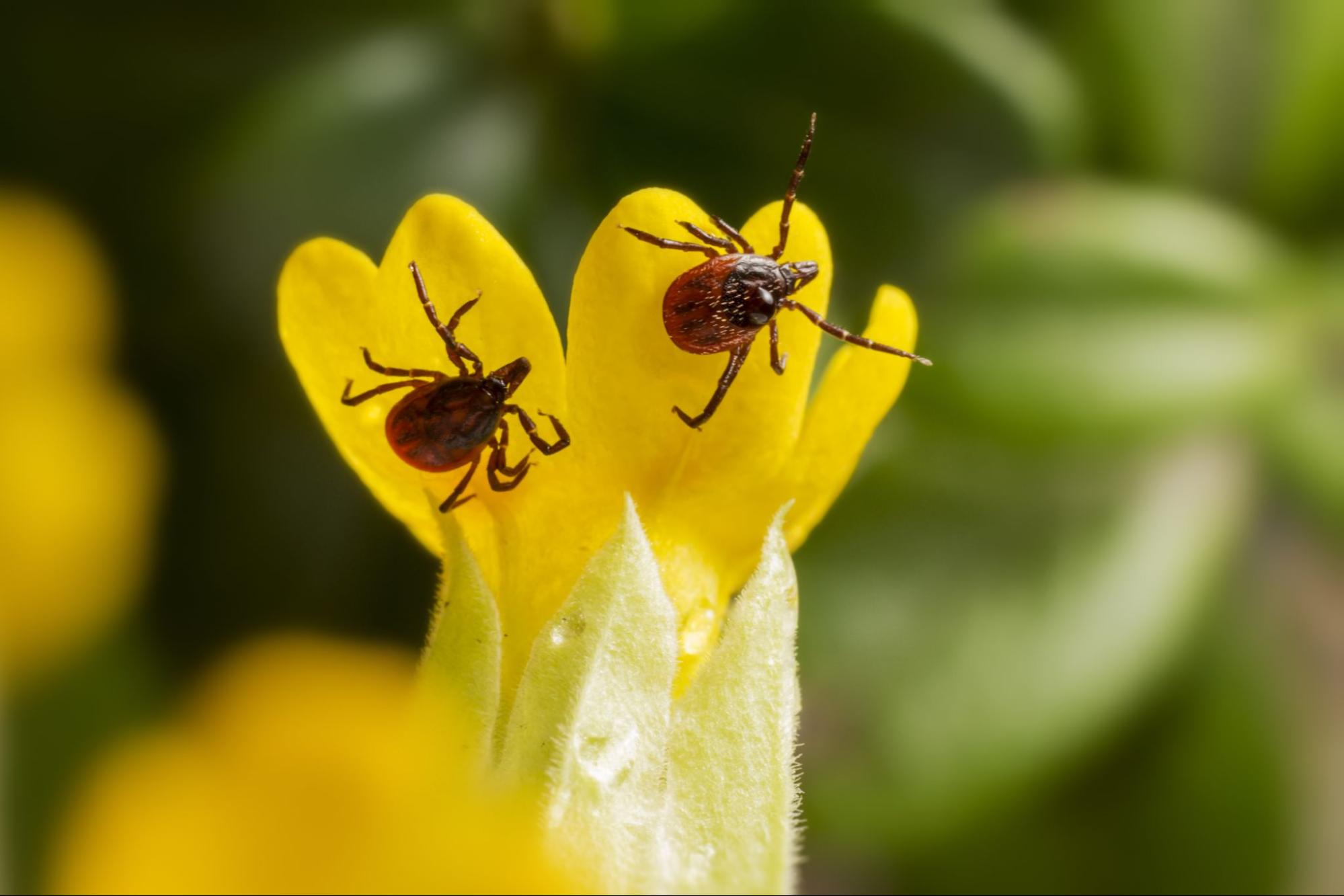
Not only are fleas and ticks a nuisance, but they are small insects that may not only make animals and human beings uncomfortable, but may also spread diseases among animals and human beings. Unfortunately, without the help of flea and tick control services, most people who own homes do not realize that their homes are infested with fleas or ticks until the issue is very grave. Your yard can be its own invitation to a bigger problem since these pests tend to make themselves at home outdoors first.
Being able to identify early clues of fleas and ticks in the yard can help you deal with a problem before it gets out of hand.
Why Fleas and Ticks Choose Certain Yards
Some yards are more appealing to fleas and ticks than others. These pests prefer habitats that provide them shelter as well as opportunities for water and plants to take refuge in.
Common conditions that will attract fleas and ticks in the yard are:
- Tall grass, overgrown vegetation (overgrowth)
- Dead leaves and animal manure
- Trees were piled as firewood and piles of brush.
- Frequent wildlife activity
- Damp, humid environments
Knowing what the fleas and ticks' attraction is might help the homeowner spot areas where she can expect a problem and make certain that they minimize the risk of infestation.
Sign: Your Pets Are Scratching More Than Usual
An early sign of flea or tick invasion is an exacerbation of scratching, biting, or grooming by your pets.
Be alert to the following signs of:
- Over-scratching or licking
- Irritated or red skin,
- Hair loss in certain areas
- Restlessness or discomfort
- Fleas or ticks in the coat can be seen.
Pay particular attention to your pet's fur if they appear to be different than normal. Look for pests between the toes, underbelly, around the ears, and neck.
Sign: You Frequently Spot Ticks on Clothing or Skin
Generally, ticks usually hide under tall grass, low plants, and bushes so that they can readily latch onto anyone walking past.
Can identify some indicators of an active tick presence:
- Insects crawling on clothes following yard work.
- Scars or bites from ticks after outdoor exposure.
- Large numbers of ticks are found on animals
Any tick found, even one, should not be overlooked. A breeding population is usually indicated by more than one encounter.
Sign: Wildlife Is Visiting Your Yard More Often
An increase in wildlife activity can contribute significantly to flea and tick infestations. Deer, rabbits, squirrels, raccoons, and stray cats are common carriers of these pests.
Fleas and ticks can be carried by the following common wild animals:
- Deer
- Rabbits
- Raccoons
- Opossums
- Rodents
- Stray dogs and cats
Sign: You Notice Fleas Jumping in Shaded Areas
Adult female fleas are capable of laying 50 eggs per day. Homeowners should always be alert to signs of fleas in the yard, particularly in those areas where there is ample shade.
The primary responsibility regarding signs of fleas in the yard:
- Rooms and spaces under outdoor furniture.
- Also under decks and porches
- Dense landscaping beds
- Heavy shade is best for fences.
- Spaces where pets like to sleep.
Fleas are stimulated by movement and body heat; they will be easier to see on light colored fabric.
Sign: Pest Problems Keep Returning Despite Indoor Treatment
As such, people try to get rid of the fleas and ticks at home, but tend to overlook their natural habitat outside.
When these conditions favor yard pest problems:
- Outdoor pets pick up pests while they are out.
- Flea eggs remain in the yard
- Wildlife comes onto the property on a regular basis
- Outdoor hiding places are not treated
- Problems persist with yards.
If pests are causing continuous issues in the house, then both interior and exterior will need treatment.
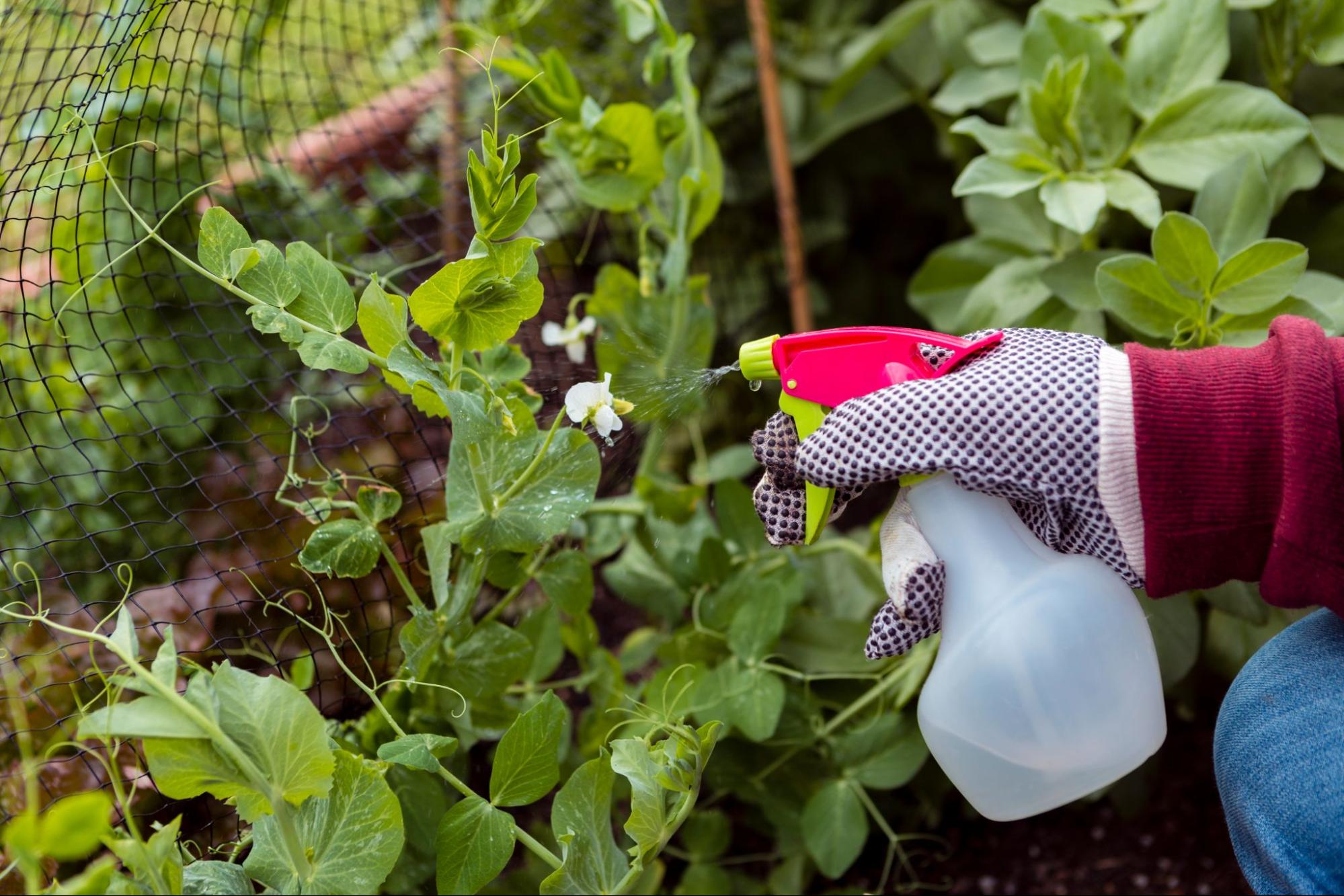
What to Do Next If You Suspect Fleas or Ticks in Your Yard
In case of a flea and/or tick problem, treating the infestation early on may be able to stop the problem from spreading.
Begin with:
- Check your yards for overgrown and shaded sections.
- Get rid of any piles of dead leaves and debris.
- Wash your pet beds and outdoor fabrics.
- Make use of veterinarian-approved flea or tick products.
There will be some homeowners who would even go as far as adopting other landscaping ideas, such as those from CitiTurf, that could keep away moisture and shade where pests may thrive.
How to Prevent Future Flea and Tick Infestations
Sustained prevention is needed for sustained yard maintenance and monitoring.
Best practices include:
- Keeping the grass cut short
- Removing standing water
- The care of shrubs and tree trunks
- Inspecting pets regularly
By monitoring regularly, a homeowner can detect possible issues before they become a large problem.
In Conclusion
Even a pleasant outdoor area can become irritating and a health problem if it is home to fleas and ticks. Homeowners can start to observe when a problem is occurring if they watch for common signs of fleas in the yard, including more tick bites, more animals being seen by ticks, more animal activity, more flea bites, and recurrent biting problems.