
Wildfire Season: What Every Homeowner and Family Should Know
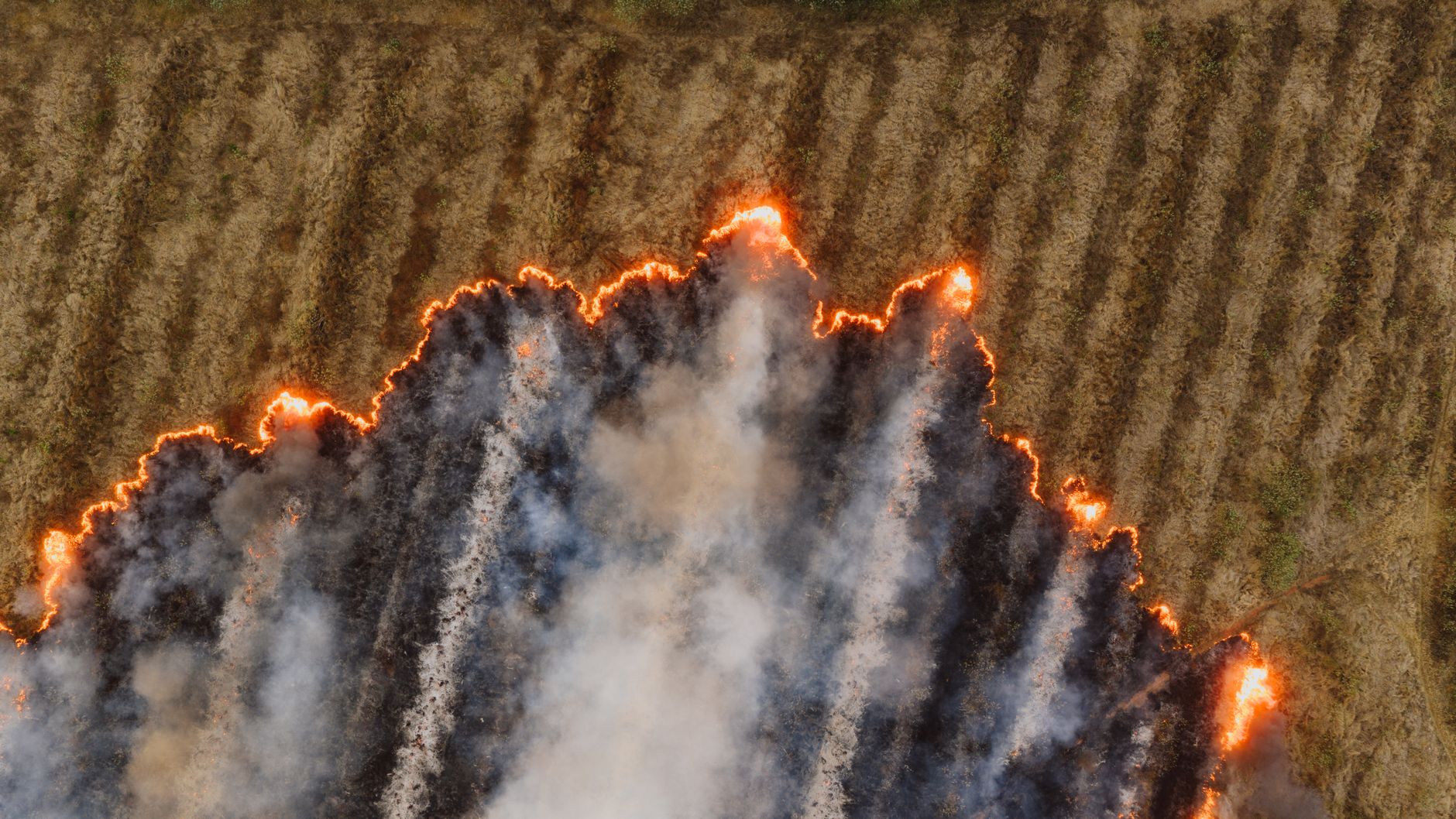
Wildfire season has become a growing concern for homeowners, renters, travelers, and communities across many parts of the country. Longer dry periods, rising temperatures, drought conditions, and strong winds can all create an environment where fires start more easily and spread more rapidly. Even people who live far from forests or open land may still experience the effects through smoke, poor air quality, road closures, power outages, and disrupted daily routines. Wildfire season is no longer only a regional issue for rural areas. It can affect cities, suburbs, and neighboring states as smoke and emergency conditions spread. Understanding how wildfire season works and how to prepare for it can help families stay safer, healthier, and more confident when conditions change.
Understanding Why Wildfire Season Matters
Fires Can Move Quickly and Change Direction
One of the most important things to understand about wildfires is how quickly conditions can shift. A fire that appears small or distant can grow rapidly when dry vegetation, heat, and wind combine. Wind can also change direction with little warning, causing a fire to spread into new areas faster than expected. This is why officials sometimes issue evacuation warnings before danger appears imminent. Early alerts are designed to give residents more time to prepare and leave safely if needed.
Smoke Often Reaches Communities Far Away
Many people assume wildfire season only affects neighborhoods close to the flames, but smoke can travel many miles. Depending on wind patterns and atmospheric conditions, communities hundreds of miles away may experience hazy skies and poor air quality. This can create breathing discomfort, headaches, eye irritation, and reduced visibility. Children, seniors, and those with heart or lung conditions may feel these effects more strongly. Even when there is no nearby fire, smoke from another region can still create health concerns.
Daily Life Can Be Disrupted
Wildfire season can impact routines in ways people do not always expect. Schools may close, outdoor sports may be canceled, roads may shut down, and travel plans may change with little notice. Some utility companies also conduct preventive power shutoffs in high-risk areas to reduce ignition hazards. Work schedules and business operations may be interrupted as well. Being mentally prepared for disruptions can help families adjust more calmly when plans suddenly change.
Preparing Your Home Before Wildfire Season Begins
Create Defensible Space Around the Property
One of the best ways to reduce risk is by creating defensible space around your home. This means removing dry grass, dead plants, leaves, branches, and other flammable materials near the structure. Keep gutters and roofs free of debris that could catch embers. Trim trees and shrubs so vegetation does not touch the house or hang too close to the roofline. A well-maintained yard may help slow the spread of fire and give firefighters a safer working space.
Inspect the Exterior of the Home
Before wildfire season arrives, inspect your home for vulnerabilities. Check vents, roofing materials, siding, decks, fences, and windows for damage or gaps. Embers can enter small openings or ignite weak spots on the property. Repairing these issues ahead of time may improve your home’s resilience. Simple maintenance tasks completed early are often easier and less expensive than emergency repairs later.
Move Combustible Items to Safer Areas
Outdoor furniture cushions, stacked firewood, propane tanks, cardboard boxes, and decorative materials can all become fire hazards during wildfire season. Store these items away from the home whenever fire danger increases. Keep garages and sheds organized so essential items are easy to access if evacuation becomes necessary. Reducing clutter around the property can also make emergency preparation faster. These details may seem minor, but they can be valuable during high-risk periods.
Building a Family Emergency Plan
Know When and How You Would Evacuate
Every household should have a plan for leaving quickly if wildfire conditions worsen. Identify multiple evacuation routes because one road may become blocked by traffic, smoke, or emergency activity. Know where you would go, whether that means staying with family, using a hotel, or heading to a shelter. Discuss the plan with everyone in the household so no one is confused during a stressful moment. Practice routes if possible so they feel familiar.
Prepare Go Bags in Advance
A go bag can save time when minutes matter. Pack clothing, medications, hygiene supplies, chargers, flashlights, snacks, water, important documents, and basic first aid items. Keep bags in an easy-to-reach location and update them throughout the year. If you have children, include comfort items such as books or favorite toys. Being ready in advance reduces panic and helps families leave more efficiently.
Include Pets and Family Members With Special Needs
Emergency planning should account for every member of the household. Keep pet carriers, leashes, food, water, and vaccination records ready during wildfire season. If someone in the home has mobility limitations, medical equipment, or special health needs, plan transportation and supplies ahead of time. Do not wait until an evacuation notice is issued to think through these needs. Advanced planning often prevents stressful last-minute obstacles.
Protecting Your Health During Wildfire Season
Monitor Local Air Quality Reports
Air quality can change rapidly during wildfire season, even when skies look normal. Checking local air quality reports helps determine when it is safer to go outside or when indoor precautions are needed. These updates are especially useful for families with asthma, COPD, allergies, or heart conditions. Reliable reports can guide decisions about exercise, errands, school activities, and travel. Awareness is one of the easiest ways to reduce unnecessary smoke exposure.
Improve Indoor Air Quality
When smoke levels rise, keeping indoor air cleaner becomes a priority. Close windows and exterior doors during poor air quality days. Use portable air purifiers if available and replace furnace air filters regularly so HVAC systems can operate effectively. Avoid burning candles, using fireplaces, or adding other indoor pollutants while smoke is already present outside. A cleaner indoor environment can bring noticeable relief during extended smoke events.
Reduce Strenuous Outdoor Activity
Heavy exercise, yard work, and long outdoor activities may increase smoke exposure because the body breathes faster and deeper during exertion. If conditions are poor, postpone intense activity when possible. Short errands may be better than spending long periods outdoors. If you must be outside, take breaks and pay attention to symptoms such as coughing or dizziness. Listening to your body is especially important during wildfire season.
Staying Informed and Responding Quickly
Use Trusted Sources for Updates
During wildfire season, rumors and conflicting reports can spread quickly. Rely on official emergency alerts, local government agencies, weather services, and trusted news outlets for accurate information. These sources often provide evacuation zones, road closures, shelter details, and air quality updates. Good information supports better decisions. Avoid making important choices based on unverified social media posts.
Charge Devices and Prepare for Power Outages
Power shutoffs sometimes occur in wildfire-prone areas to reduce ignition risks or because infrastructure is damaged. Keep phones, tablets, and battery packs charged when wildfire danger is elevated. Flashlights and backup lighting should be easy to access. Consider storing extra batteries and keeping refrigerated medications in mind if outages occur. Being ready for temporary power loss adds another layer of preparedness.
Act Early Instead of Waiting
When warnings are issued, acting early is often the safest option. Waiting until the smoke thickens or roads become crowded can make evacuation harder and more dangerous. Leaving sooner may provide calmer travel conditions and more lodging options. Early decisions also reduce panic for children and pets. Prepared families usually benefit from moving before conditions become urgent.
Supporting Your Community During Wildfire Season
Check on Neighbors and Vulnerable Residents
Wildfire season can be especially difficult for older adults, people with disabilities, or neighbors living alone. A quick phone call or visit may help someone who needs updates or assistance preparing. Sharing information about alerts or evacuation resources can make a real difference. Strong communities often recover faster after emergencies. Looking out for one another adds resilience.
Share Reliable Information
If friends or neighbors are confused about conditions, help direct them toward trusted official sources. Accurate information about road closures, shelters, and air quality is far more helpful than rumors. Encourage calm, practical preparation rather than fear-driven reactions. Communities function better when people stay informed and supportive. Good communication benefits everyone.
Be Patient During Disruptions
Wildfire season can create traffic delays, canceled events, temporary closures, and service interruptions. These disruptions are frustrating, but patience can reduce stress for everyone involved. Emergency workers, utility crews, and community staff often work long hours during these events. Understanding that systems may be stretched helps keep perspective. Calm responses can make challenging situations easier to navigate.
Conclusion
Wildfire season can affect far more than the areas directly touched by flames. It can influence home safety, health, travel, utilities, and daily life for millions of people. The good news is that preparation makes a meaningful difference. By maintaining your property, improving indoor air quality, building an evacuation plan, staying informed, and supporting your community, you can face wildfire season with greater confidence. Small actions taken before an emergency often become the most valuable when conditions suddenly change. Start preparing now so wildfire season feels less overwhelming and far more manageable for your household.