
Why Beauty Routines Around the World Are Becoming More Personalized
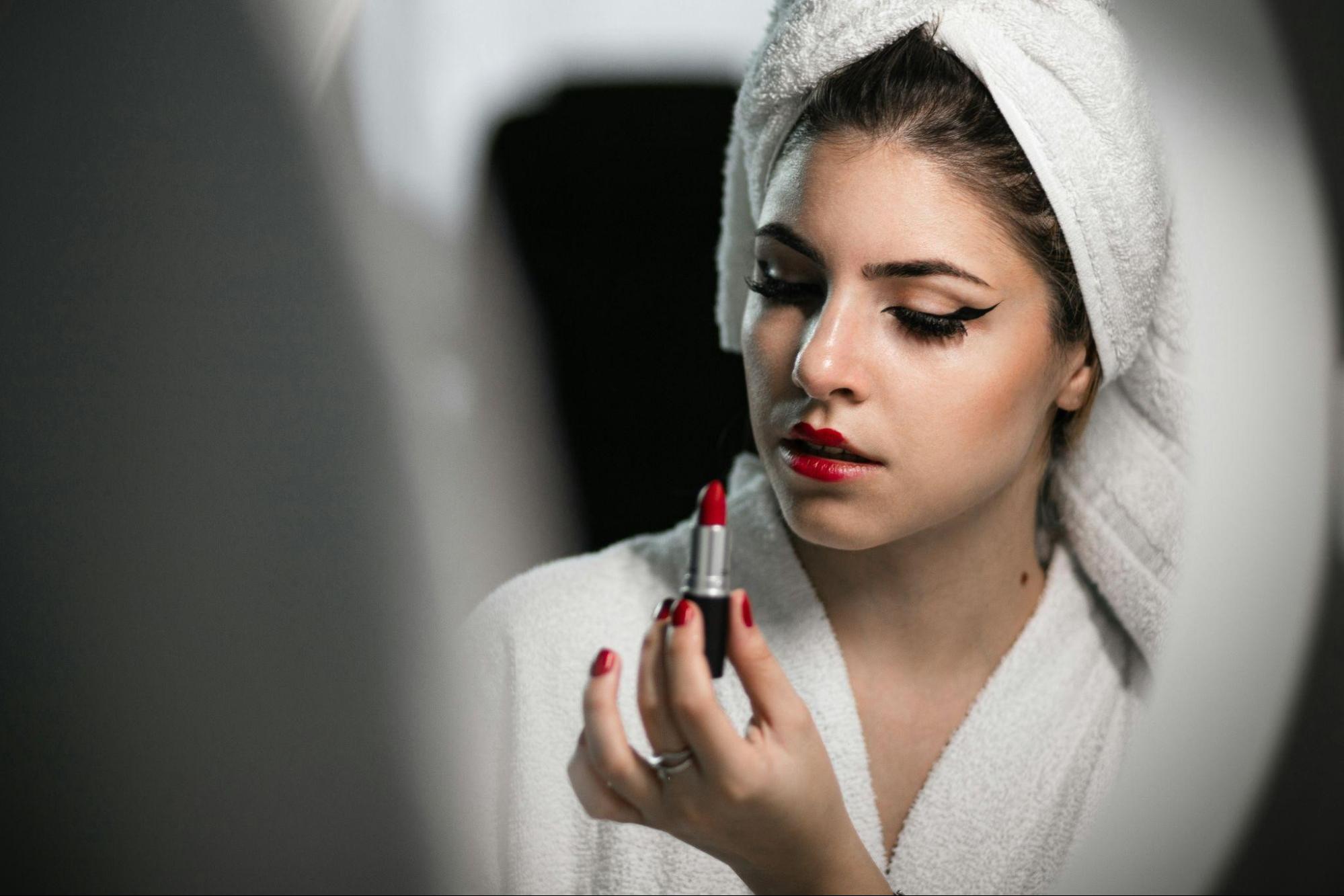
Beauty has always reflected culture, tradition, and personal preference. For generations, many people followed routines shaped by family practices, regional customs, or widely accepted beauty standards. Today, however, a noticeable shift is taking place. Around the world, beauty routines are becoming increasingly personalized, with individuals building approaches that reflect their unique goals, lifestyles, and preferences rather than simply following popular trends.
This movement is being driven by greater access to information, a wider variety of products, and a growing understanding that beauty is not a one-size-fits-all concept. What works well for one person may not work for another, leading consumers to seek routines that align more closely with their individual needs.
People Are Looking for Solutions That Match Their Specific Goals
One of the biggest reasons beauty routines are becoming more personalized is that consumers now have access to products designed for highly specific concerns. Rather than purchasing a single product intended for a broad audience, many people prefer solutions tailored to their particular objectives.
This shift can be seen across skincare, haircare, and cosmetic categories. Some individuals prioritize convenience, while others focus on professional-level results they can achieve at home. Interest in customizable beauty experiences has also increased demand for specialized tools and products. For example, brands such as PLA Pro have become part of conversations among beauty enthusiasts who want greater control over how they approach eyelash application and enhancement as part of their personal routines.
The focus is no longer simply on following trends. Instead, consumers are evaluating which products and techniques fit their lifestyles and preferences.
Social Media Has Expanded Beauty Perspectives
In the past, beauty standards were often shaped by a relatively small number of magazines, television programs, and advertising campaigns. Today, social media exposes people to an enormous range of beauty styles and routines from around the world.
Someone in one country can learn about skincare practices from another continent, discover makeup techniques from a different culture, or explore beauty traditions they might never have encountered otherwise. This exposure encourages experimentation and helps people identify approaches that resonate with them personally.
Rather than encouraging everyone to follow the same routine, digital platforms have contributed to a more diverse understanding of beauty. Consumers increasingly recognize that different methods can produce successful results depending on individual preferences and goals.
Personal Values Are Influencing Beauty Choices
Modern consumers often evaluate beauty products through a broader lens than previous generations. In addition to performance, they may consider factors such as ingredients, sustainability, ethical sourcing, and company values.
As a result, beauty routines increasingly reflect personal beliefs as well as aesthetic preferences. Some consumers prioritize minimalist routines, while others enjoy experimenting with a wide range of products and techniques. The growing variety of options allows people to make choices that feel authentic to their priorities rather than simply following industry expectations.
This personalization extends beyond products themselves and influences how people think about self-care, wellness, and personal presentation.
Beauty Is Becoming Part of Individual Identity
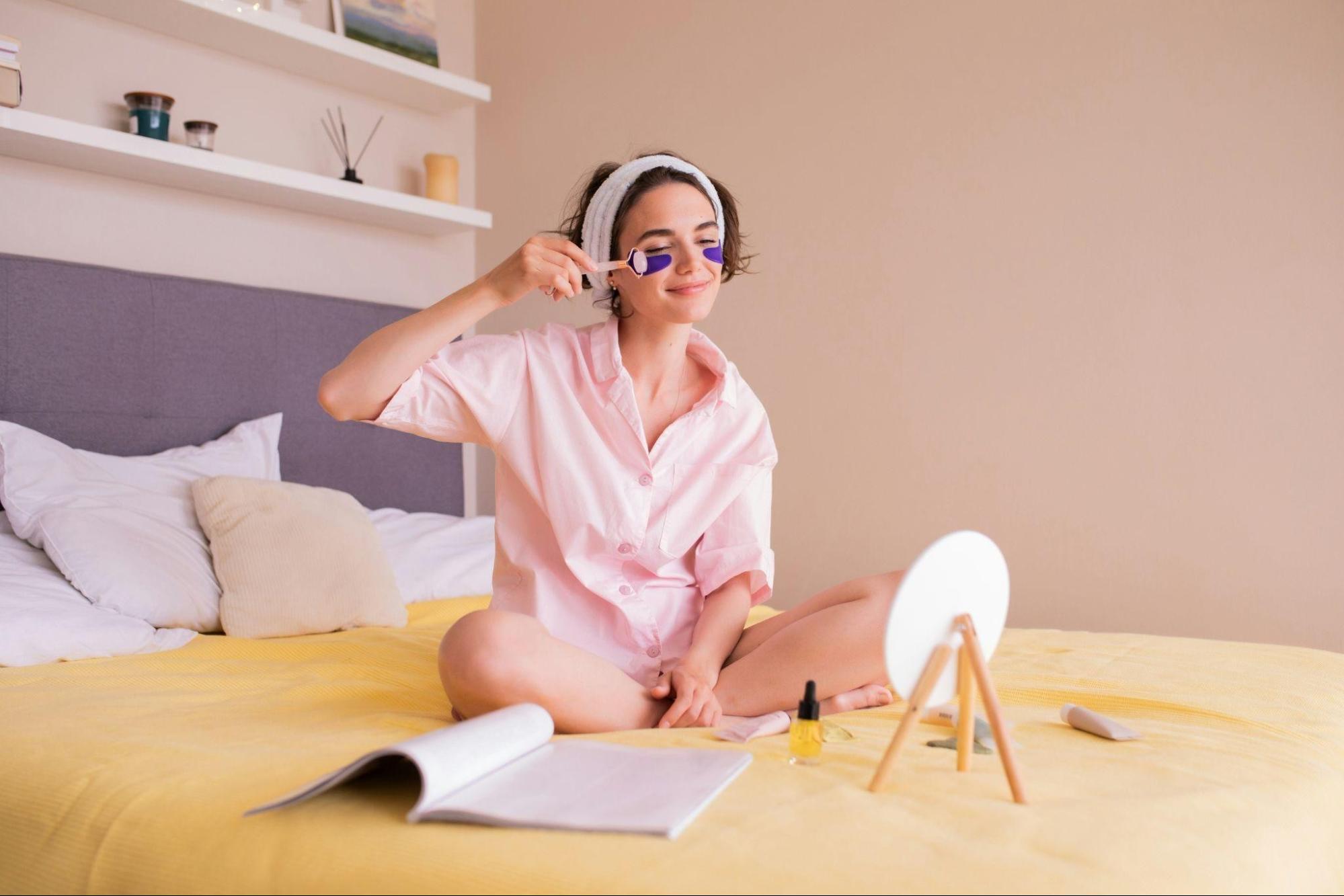
For many people, beauty routines are no longer viewed solely as a way to improve appearance. They have become part of how individuals express their identity and creativity.
The products someone chooses, the time they dedicate to self-care, and the techniques they use often reflect broader aspects of their personality and lifestyle. Some prefer simple, efficient routines, while others enjoy the artistic and expressive aspects of beauty.
This emphasis on individuality has encouraged brands to serve a wider variety of consumers with different needs, preferences, and styles.
Consumers Want More Control Over Their Choices
Personalization is closely linked to a desire for greater control. Rather than relying entirely on broad recommendations, consumers increasingly conduct their own research and build routines based on their experiences.
People compare ingredients, read reviews, explore tutorials, and test products to determine what works best for them. This process often leads to highly individualized routines that evolve over time as needs and preferences change.
The availability of information has empowered consumers to become more active participants in their beauty decisions rather than passive recipients of marketing messages.
Communities Help People Discover What Works
While beauty routines are becoming more personal, they are also becoming more community-driven. Online forums, social platforms, and niche communities allow people to share experiences and learn from one another.
Recommendations frequently come from individuals with similar concerns, goals, or interests rather than from traditional advertising alone. Communities centered around skincare, makeup, wellness, and lifestyle topics help consumers discover products and ideas that align with their personal preferences.
Brands such as TheLittleRoseShop often become part of these broader conversations because consumers increasingly seek products that reflect their values and individual approaches to self-expression.
Personalization Is Likely to Continue Growing
The future of beauty appears increasingly focused on customization and individuality. As consumers gain access to more information and more specialized products, they are becoming less interested in universal solutions and more interested in finding what works specifically for them.
Beauty routines are evolving from standardized habits into highly personal systems shaped by lifestyle, goals, values, and identity. This shift reflects a broader cultural movement toward individuality and self-expression, one that continues to influence how people approach beauty around the world.
As a result, personalization is no longer a niche trend. It has become one of the defining characteristics of modern beauty culture, allowing people to create routines that genuinely fit their lives rather than trying to fit themselves into a predetermined standard.