
What Causes Inconsistent Die Cutting and How Converters Can Correct It
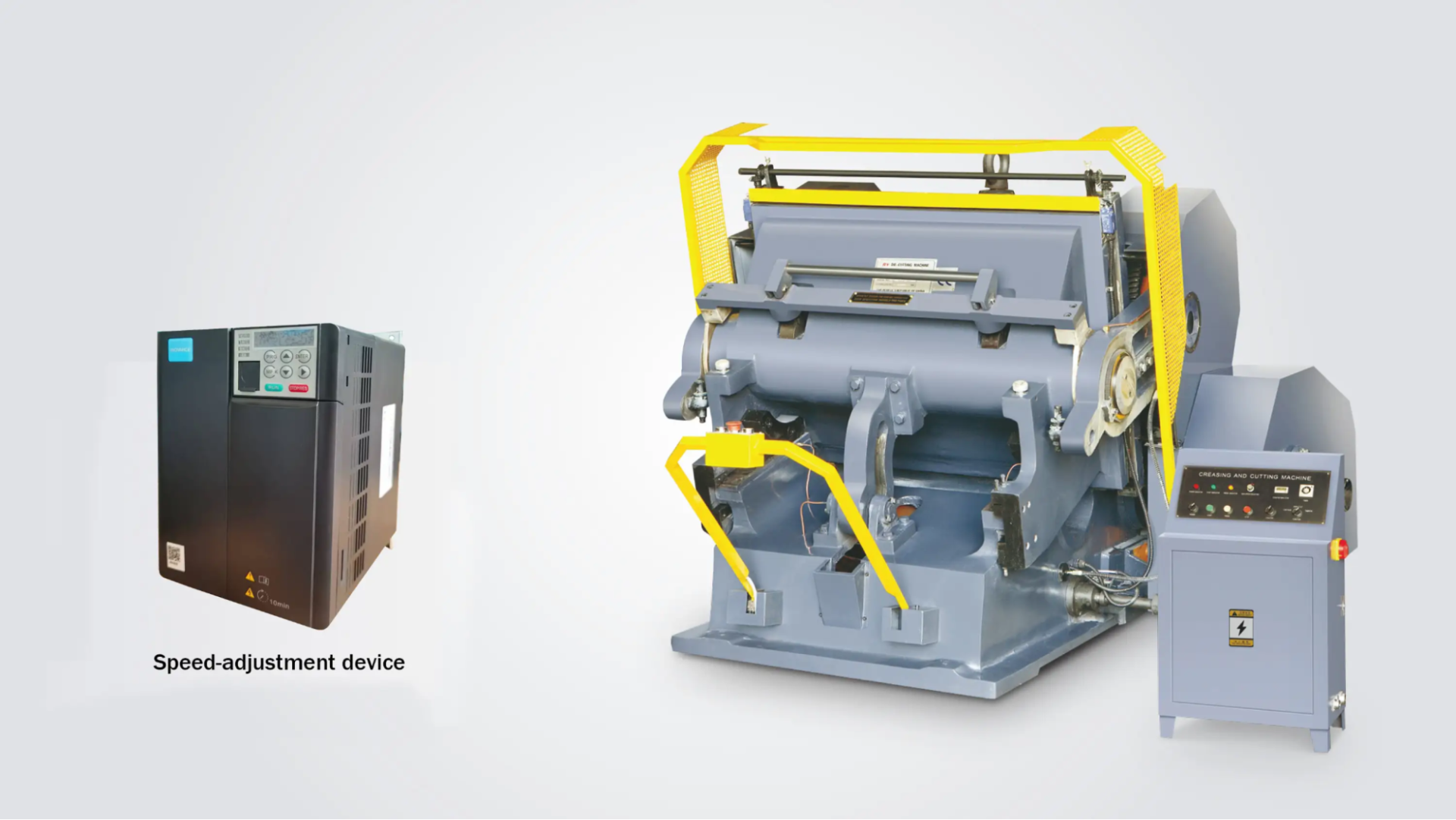
Inconsistent die cutting can be one of the most frustrating problems a converter can face because the consequences typically look identical while the root cause can vary widely. Ragged edges, partial cuts, or labels that don’t peel off cleanly from the liner can result from entirely different issues, which is why diagnosing the actual problem is more beneficial than simply replacing parts and hoping for the best. Being able to recognize some of the common causes behind inconsistent cutting can help converters troubleshoot more quickly and reduce costly downtime.
Pressure Issues
One of the most frequent reasons behind inconsistent cuts is uneven pressure across the rotary die or anvil surface. Even slight misalignment between the die cylinder and anvil roll can cause one section to cut cleanly while another barely scores the material. This often progresses gradually as bearings wear out or mounting hardware loosens, making the problem easy to miss until cut quality has significantly degraded. Some complications that might pop up due to pressure issues include:
- Uneven loading caused by worn bearings or bent shafts
- Incorrect packing thickness behind the die
- Inconsistent anvil surface wear across the roll’s width
- Press deflection under high-speed conditions
In these instances, some possible troubleshooting steps can help, depending on the cause. Inspect dies to ascertain whether cleaning, sharpening, or replacing are necessary. Adjust pressure settings then do test runs to ensure they are correct before starting a large production cycle.
Material Variability
Even when all of the tooling is working properly, material inconsistencies can lead to cutting problems unrelated to the equipment. Substrate thickness can vary slightly from roll to roll, or even within a single roll, and these small fluctuations can be enough to affect the cuts. Films are particularly prone to this, since temperature and humidity during transport or storage can affect their thickness and rigidity by the time they reach the press.
Adhesive buildup is another common material-related issue. As residue accumulates on the die’s cutting edge over a long production run, the edge essentially becomes duller, even though the steel itself hasn’t worn down. Building regular cleanings into a production schedule can prevent this gradual decline in tooling effectiveness.
Tooling Wear and Neglected Maintenance
Naturally, the quality and condition of the die and anvil play a direct role in cut consistency. A die that is used well beyond its recommended servicing intervals will show edge rounding, producing a noticeably different cut than a freshly sharpened tool. Anvil surfaces also wear unevenly, particularly in high volume productions where the same die pattern is being created repeatedly.
Using high-quality, precision-engineered tooling makes a noticeable difference, as does tracking die cycles and scheduling resharpening times proactively rather than waiting to perform maintenance after inconsistencies begin to appear.
Environmental and Press Speed Factors
Environmental conditions and press speed can both contribute to inconsistent cuts as well. Temperature variations in a facility can subtly change how rigid or flexible materials are during the cut, and running a press faster than the tooling and material combination can handle may create a vibration that affects precision. When troubleshooting, slowing down incrementally while isolating other variables often helps reveal whether speed is a contributing factor.
A Methodical Approach to Troubleshooting
Identifying the true reason behind inconsistent die cutting usually requires ruling out pressure setup, material variability, tooling wear, and environmental factors one at a time rather than assuming a single cause. Keeping a simple log of when issues appear, what material was running, and how long the tooling has been used can make patterns easier to spot. A methodical, intentional approach can save time and prevent converters from replacing tooling that wasn’t actually the problem in the first place. A good place to start is with a reliable manufacturing company who offers structured care, audit guidance, and troubleshooting to support you beyond the initial purchase and keep your operations on track.