
Why Overnight Period Protection Deserves More Attention and How the Right Underwear Changes the Experience
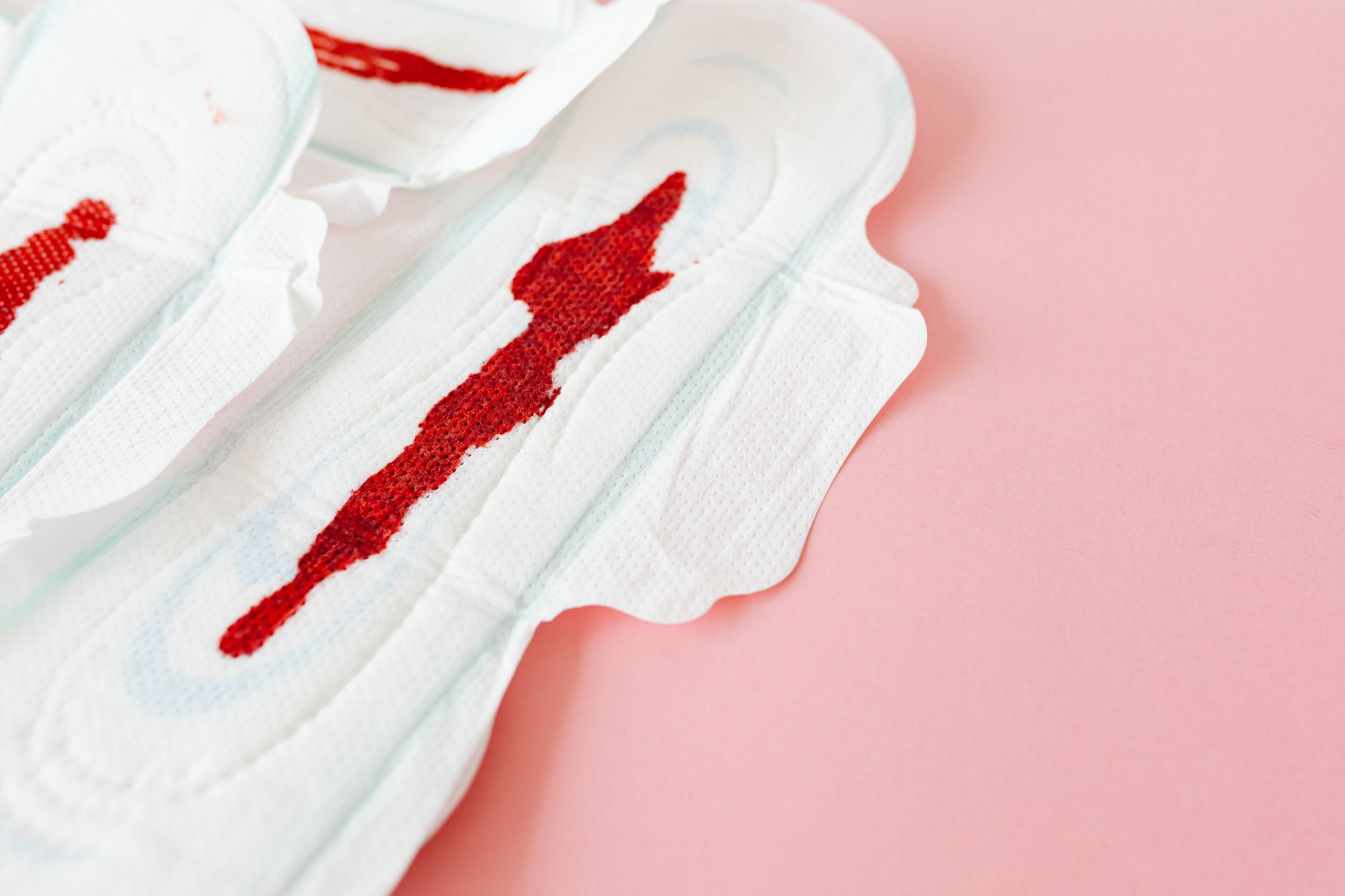
Nighttime during a menstrual cycle is the period protection problem that most menstrual care products only partially solve. The familiar compromise of a doubled-up pad or an overnight tampon worn to its limit addresses the volume concern but leaves comfort, confidence, and the practicality of actual sleep often unresolved. For many women, the heaviest days of their cycle correspond with disrupted sleep, concern about leaking, and the uncomfortable reality of waking to manage protection changes at 3 in the morning.
The development of period underwear specifically designed for overnight use has addressed this problem more effectively than any previous product category. Understanding what makes overnight period underwear different from daytime options, and what to look for when choosing a product, helps women find a solution that actually works.
Why Overnight Protection Is a Different Problem
Lying down changes the physics of menstrual flow. During upright or seated activity, gravity pulls flow downward and forward. Once the body is horizontal, and particularly as sleep position changes throughout the night, flow can travel in any direction including toward the back and up the sides. Products designed for daytime use, even heavy-flow options, are often not designed with this directional variability in mind.
The result is that leaks during sleep are typically not caused by the product being overwhelmed at the point of maximum flow, but by flow reaching areas the product was not designed to cover. This is why a heavy nighttime pad that works adequately when lying on your back may fail when you shift onto your side, and why products with extended front and back coverage perform better for nocturnal use.
Overnight use also involves longer continuous wear than daytime use typically requires. A product worn for eight or nine hours of sleep plus the time before and after needs to remain effective across that extended period without requiring mid-night changes. Products with higher capacity and materials that manage moisture effectively over several hours rather than becoming saturated quickly perform better in this context.
What to Look for in Overnight Period Underwear
The design features that distinguish genuinely effective overnight period underwear from standard period underwear are specific and worth understanding before making a purchasing decision.
Coverage length is the most important differentiating factor. Overnight options should have a protective panel that extends further toward the front and back than daytime styles, covering the range of positions that occur during sleep rather than just the primary daytime sitting and standing position. Some brands explicitly describe the extended coverage in their overnight products, which is useful information for comparison.
Absorbency capacity should be higher in overnight options than in equivalent daytime options. This capacity needs to handle not just the volume of flow during active sleeping hours but any accumulation from the period before sleep and the delay between waking and changing.
The inner layer material affects comfort across a full night of wear. A moisture-wicking inner surface that draws fluid away from the skin and keeps the sleeping surface feeling dry contributes significantly to sleep quality during a period. Waking up feeling damp or clammy is one of the most commonly cited sleep disruptions during menstruation, and inner layer performance directly affects this experience.
Outer layer integrity matters for the same physical reasons that overnight coverage length does. A product that holds its structure and maintains its leak-resistant properties across eight or more hours in various positions provides better performance than one that becomes compressed, bunched, or loses its resistance to moisture penetration with extended use.
The Sleep Quality Connection
Poor sleep is consistently linked to menstruation in surveys and research. Cramping, bloating, body temperature changes, and concern about protection all contribute to lighter, more frequently disrupted sleep during the menstrual cycle. Addressing the protection dimension specifically does not resolve all of these factors, but it removes one of the most reliably disruptive concerns.
Women who are confident their overnight protection will hold throughout the night sleep differently than those who are not. The absence of the background monitoring awareness, checking for leaks in half-sleep, or waking to change protection, frees up cognitive resources that contribute to deeper and more restorative sleep. This is not a trivial benefit given that sleep quality during menstruation has effects on mood, pain perception, and daily function in the days that follow.
Well-designed overnight period underwear from brands like Saalt is specifically built for this challenge. Saalt's period underwear combines soft, breathable materials with an absorbent construction that manages flow reliably across full nights of wear. The design accommodates the body's movements during sleep while maintaining coverage and protection from changing flow directions, which is precisely the combination that overnight use requires.
Combining Overnight Period Underwear With Other Products
Some women use overnight period underwear as a standalone solution. Others prefer to use it as a backup alongside a cup or disc, particularly on the heaviest nights of their cycle. Both approaches are valid, and the choice depends on individual flow volume and preference.
For women whose heaviest nights would challenge even a high-capacity overnight underwear option, using a menstrual cup or disc in combination with overnight underwear provides a two-layer system that addresses both volume and leak risk. The cup or disc captures the majority of flow at the source while the underwear provides backup protection against any overflow. This combination is used by many women who have very heavy cycles and find that no single product provides complete confidence overnight.
For lighter nights or the later days of a cycle when flow has reduced, overnight period underwear used alone is typically more than sufficient and is simpler than a combined approach.
Transitioning to Overnight Period Underwear
Women who are trying overnight period underwear for the first time, particularly those transitioning from heavy-flow overnight pads, sometimes find the first night anxiety-inducing even with a genuinely effective product simply because they do not yet trust the unfamiliar. Starting with a lighter flow night rather than the heaviest night of the cycle allows an initial test without the highest stakes. Using backup protection such as an old towel on the bedding as a precaution during the first use removes the concern about the mattress while confidence develops.
Most women report that after the first successful overnight use, the trust in the product builds quickly and the transition to using it routinely becomes comfortable within a cycle or two.
Care and Longevity
Overnight period underwear that is properly cared for maintains its performance across many uses. Rinsing immediately after removal, machine washing in a gentle cycle with mild detergent, and air drying rather than machine drying are the standard care recommendations. Avoiding fabric softener, which coats and compromises absorbent fibres, preserves the product's functionality over its lifespan.
Building a rotation of multiple pairs, even if only for overnight use, extends the life of each individual garment by reducing the frequency of washing. Having two or three pairs dedicated to overnight use provides enough rotation to cover a full cycle without needing to wash between every use.
Frequently Asked Questions
What makes overnight period underwear different from regular period underwear?
Overnight options feature extended front and back coverage to account for lying down and changing sleep positions, higher absorbency capacity for longer continuous wear, and moisture management designed for several hours of contact with the skin during sleep.
Can I wear overnight period underwear for 8 to 10 hours without changing?
Well-designed overnight period underwear is built for this wear duration. Individual results depend on flow volume, but high-absorbency overnight options are specifically intended for full nights of wear without mid-sleep changes.
Is overnight period underwear comfortable to sleep in?
Most women find that well-fitting, soft period underwear feels comfortable during sleep, unlike heavy pad-based protection which can feel bulky or shift during movement. The soft, fitted construction of quality period underwear tends to move with the body rather than against it.
How do I know if my overnight period underwear has adequate coverage?
Check whether the protective panel extends well toward both the front and the back of the gusset. Overnight-specific options typically describe extended coverage as a feature. Trying the product on and checking whether the coverage reaches into the same areas where you typically experience nighttime leaks is the most direct assessment.
What should I do if I experience leaking with overnight period underwear?
Leaking is most commonly caused by insufficient absorbency for your specific flow volume on that night, or by inadequate coverage length for your specific body shape or sleep position. Trying a higher absorbency option, a product with greater front-to-back coverage, or combining with a cup or disc for additional capacity are the practical responses.