
How Cardiology Workflow Management Technology Is Changing How Heart Care Is Delivered
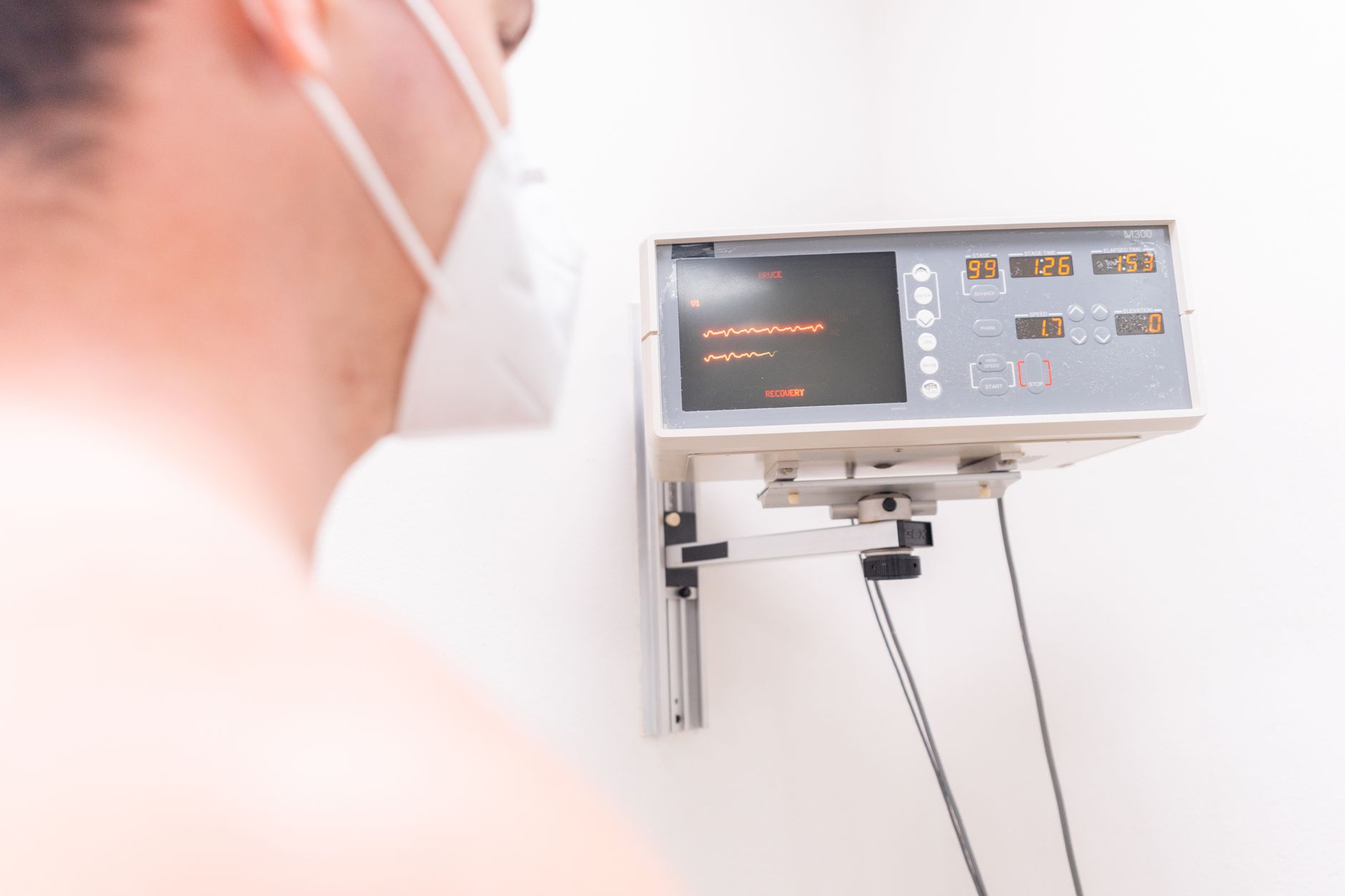
Cardiology is a discipline defined by precision, time-sensitivity, and complexity. Cardiac events can unfold rapidly, requiring immediate and accurate clinical response. Chronic cardiac conditions require meticulous long-term monitoring, medication management, and coordination across multiple clinical settings. The data generated by cardiology practice, from ECG readings and echocardiograms to lab results, device data from pacemakers and implantable defibrillators, and medication tolerance records, is voluminous and clinically critical.
Managing this complexity effectively requires systems designed to support cardiovascular care specifically, not general electronic health record platforms retrofitted with a few cardiology templates. The gap between what generalist EHR systems offer and what cardiology actually needs has been a persistent source of inefficiency, clinical risk, and clinician frustration. Addressing it through purpose-adapted technology has become a priority as cardiology practices look to improve both care quality and operational performance.
The Complexity of Cardiology Documentation
Cardiovascular medicine generates documentation requirements that are structurally different from most other specialties. A single cardiology visit may involve review of remote monitoring data from a cardiac device, interpretation of recent imaging studies, medication adjustment for complex multi-drug regimens with specific monitoring requirements, coordination with cardiac surgery or electrophysiology, and patient education about condition management and warning signs.
Capturing this clinical encounter in documentation that is simultaneously accurate, clinically useful, compliant with billing requirements, and manageable within the time constraints of a clinical day is a significant challenge. Generic EHR templates are not designed for cardiovascular documentation specificity, which leads to either incomplete records, workarounds that add time without adding clarity, or documentation that is technically complete but clinically thin.
Protocol Tracking in Cardiac Care
Many cardiac conditions require adherence to specific clinical protocols over extended periods. Patients with heart failure follow evidence-based medication titration protocols. Those on anticoagulation therapy require regular INR monitoring with dose adjustments based on results. Patients with implantable cardiac devices need scheduled device checks at defined intervals. Post-myocardial infarction protocols specify medication types, doses, and monitoring requirements that extend for months or years.
Tracking adherence to these protocols manually, or within a generic EHR that does not understand cardiovascular-specific care pathways, creates gaps. Patients fall through cracks when their next device check is not automatically flagged, when a medication titration step is missed because there is no systematic prompt, or when a monitoring interval is not tracked at the level of the individual patient.
Protocol tracking built into cardiology workflow management systems addresses this by embedding the logic of cardiovascular care pathways into the clinical workflow itself. The system surfaces the right information at the right time rather than relying on individual clinicians to manually manage every care pathway for every patient simultaneously.
Referral Coordination in Cardiac Care
Cardiology sits at the intersection of primary care, multiple subspecialties, and acute hospital care. Primary care physicians refer patients to general cardiology. Cardiologists refer to electrophysiology, interventional cardiology, cardiac surgery, and cardiac rehabilitation. Patients move between inpatient and outpatient settings, and information needs to follow them accurately.
Poorly managed referral workflows in cardiology create clinical risk. A referral letter that does not reach the subspecialist, an outpatient follow-up appointment that is not scheduled after discharge, or a specialist recommendation that is not communicated back to the referring provider all represent potential failures in a care process where timeliness matters.
Effective cardiology workflow management systems integrate referral tracking, coordination tools, and communication pathways that reduce the manual effort of care coordination while making gaps visible before they become clinical incidents. Canvas Medical's guides on cardiology workflow management address how modern EHR design can support these coordination functions in a way that fits into clinical workflow rather than adding to administrative load.
Remote Monitoring and Device Data Integration
Cardiac devices including pacemakers, implantable cardioverter-defibrillators, and cardiac monitors generate continuous data that needs clinical review. Remote monitoring programmes allow this data to be transmitted from the device to the clinic without the patient needing to attend in person for routine checks.
Integrating this device data into the clinical workflow in a way that is manageable and actionable requires systems that can receive, organise, and flag relevant device data within the clinician's existing work environment. Data that arrives in a separate portal requiring manual review is less likely to receive timely attention than data that is incorporated into the standard clinical workflow with appropriate alerting for values that require action.
The same principle applies to laboratory results, Holter monitor reports, and echocardiogram findings. Clinical data that is integrated into a coherent, organised view of the patient's cardiac status supports better clinical decision-making than data that exists in fragments across multiple systems.
Medication Management in Cardiology
Cardiac medication management is among the most pharmacologically complex areas of outpatient medicine. Many patients are managed on combinations of beta-blockers, ACE inhibitors, ARBs, diuretics, antiplatelet agents, anticoagulants, and antiarrhythmics. Interactions between these agents, specific monitoring requirements, dosing constraints based on renal function and other factors, and titration protocols all require precise management.
EHR systems with strong medication management functionality, including interaction checking calibrated for cardiovascular agents, monitoring reminders for drugs that require regular laboratory surveillance, and the ability to document and track titration decisions, provide meaningfully better support for this aspect of cardiology practice than systems where medication management is a secondary consideration.
Population Health in Cardiology Practice
Beyond the management of individual patients, cardiology practices increasingly operate with a population health lens that requires the ability to identify and act on patterns across the patient panel. Which patients with heart failure have not had a recent functional assessment? Which anticoagulated patients are overdue for monitoring? Which patients have been referred but not yet attended?
Population management tools that surface these questions systematically allow practices to take a proactive rather than reactive approach to care gaps. This is particularly valuable in cardiology where delayed identification of a deteriorating patient can have serious consequences.
The Clinician Experience and Workflow Efficiency
Much of what makes cardiology workflow technology effective or ineffective comes down to the daily experience of the clinicians using it. A system that is powerful in theory but cumbersome in practice will not be used as intended. Workarounds and shortcuts that reduce documentation quality emerge when the legitimate pathway is too burdensome.
Cardiology EHR systems that are designed by teams with deep understanding of cardiovascular clinical workflows are more likely to create an experience that clinicians actually find helpful. The test is always how the system performs at the point of care, in a busy clinic where the clinician needs to complete documentation accurately without adding significant time to each encounter.
Frequently Asked Questions
What is cardiology workflow management software?
It refers to EHR and clinical management tools designed specifically to support the workflows, documentation requirements, and care coordination functions of cardiology practice, as distinct from general-purpose clinical software.
How does cardiology-specific software differ from a standard EHR?
Cardiology-specific tools are designed around cardiovascular clinical pathways, including protocol tracking for cardiac conditions, device data integration, and specialist documentation requirements, which generic EHRs handle only partially.
Can cardiology workflow management tools integrate with cardiac devices?
Integration capabilities vary by platform. The most capable systems can receive data from major cardiac device manufacturers and incorporate it into the clinical workflow for review and documentation.
How does remote monitoring fit into cardiology workflow management?
Remote monitoring generates data that needs to be reviewed and acted upon within the clinical workflow. Systems that integrate this data rather than requiring it to be managed separately reduce the operational burden and improve response times.
What should a cardiology practice look for when evaluating workflow management technology?
Protocol tracking capability, device data integration, referral coordination tools, medication management functionality calibrated for cardiovascular agents, and a user interface designed around actual cardiology clinical workflows are the key considerations.