
Best Practices for Exterior Painting of Commercial Buildings
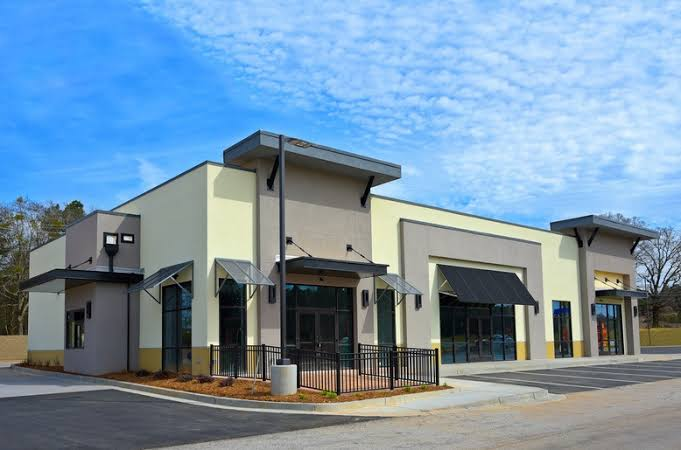
Maintaining the exterior of a commercial building is essential for both aesthetic appeal and structural integrity. A well-executed paint job not only enhances the building’s appearance but also provides a protective barrier against environmental elements. For businesses in Southern California, partnering with a reputable commercial exterior painting service like MB Coatings, Inc. ensures high-quality results. With over 15 years of experience, MB Coatings specializes in commercial painting, drywall, and acoustical solutions across Los Angeles, Orange County, Ventura, San Diego, and the Inland Empire, delivering professionalism and reliability that set them apart.
Understanding the Importance of Exterior Paint
Exterior paint serves as the first line of defense against weather conditions, UV radiation, and pollutants. Over time, exposure to these elements can lead to fading, peeling, and deterioration of building materials. Regular maintenance and timely repainting are essential to prevent costly repairs and maintain a professional image.
Choosing the Right Paint for Durability
Selecting high-quality paint is vital for longevity. Acrylic latex paints are popular due to their durability and resistance to weathering. For surfaces prone to cracking, such as stucco or masonry, elastomeric coatings offer flexibility and superior waterproofing capabilities. These coatings can bridge small cracks and prevent water intrusion, extending the life of the paint job.
Surface Preparation: A Key to Longevity
Proper surface preparation is critical for paint adhesion and longevity. This includes:
- Cleaning: Removing dirt, mildew, and loose paint through pressure washing.
- Repairing: Fixing cracks, holes, and other imperfections.
- Priming: Applying a suitable primer to enhance paint adhesion.
Skipping these steps can lead to premature paint failure and increased maintenance costs.
Optimal Painting Conditions
Weather conditions significantly impact the outcome of an exterior paint job. Ideal conditions include mild temperatures, low humidity, and minimal wind. Painting in extreme heat, cold, or wet conditions can affect paint drying and adhesion, resulting in subpar results.
Regular Maintenance and Inspection
Regular inspections help identify issues like fading, chalking, or peeling early. Addressing these problems promptly can prevent more extensive damage. It’s recommended to repaint commercial exteriors every 5 to 7 years, depending on factors such as climate, building materials, and paint quality.
Professional Application for Best Results
Hiring experienced professionals ensures that the painting process adheres to industry standards. Professionals have the expertise to select appropriate materials, prepare surfaces properly, and apply paint efficiently, resulting in a durable, visually appealing finish.
Incorporating Brand Identity
The exterior color scheme should align with your brand identity. Consistent use of brand colors enhances recognition and conveys professionalism. Consider consulting with design experts to choose colors that reflect your brand while complementing the building’s architecture.
Utilizing Modern Paint Technology
Advancements in paint technology have led to coatings that offer greater resistance to dirt, graffiti, and environmental pollutants. Anti-graffiti coatings make cleaning easier in urban settings, while UV-resistant paints help prevent fading in sunny climates. For environmentally conscious businesses, low- and zero-VOC paints are readily available and help improve air quality and reduce environmental impact.
Specialized Coatings for Problem Areas
Certain areas of a building’s exterior, such as metal surfaces, roofs, or high-traffic entrances, may require specialized coatings. Metal substrates benefit from rust-inhibiting primers and paints designed to withstand corrosion. In high-touch or high-traffic areas, abrasion-resistant, antimicrobial paints may help prolong finish life and contribute to a safer, cleaner environment for employees and visitors. Consulting professionals ensures these needs are properly addressed and that every aspect of the building receives appropriate protection.
Seasonal Challenges in Southern California
Southern California’s unique climate presents specific challenges for commercial exteriors. The combination of strong sunlight, ocean salt air, and occasional heavy rains means that paint must provide superior resistance to both UV degradation and moisture. Additionally, seismic activity in the region may cause subtle shifts in building structures, making elastomeric coatings, which can expand and contract without cracking, an excellent choice for maintaining a seamless barrier.
Factors Influencing Cost and Scheduling
The cost of painting a commercial exterior is influenced by the building’s size and height, the degree of surface preparation required, the complexity of the architecture, and the types of coatings used. Scaffolding or lifts may be necessary for multi-story structures, adding logistical considerations. Scheduling should account for business operations to minimize disruptions; many professional painters offer after-hours or weekend services to accommodate client needs.
Ensuring Safety and Compliance
Professional commercial painters prioritize safety throughout every phase of the project. This includes adhering to OSHA standards, using proper safety gear, and implementing site-specific safety plans. For older buildings, compliance with environmental regulations, such as those governing the safe handling and disposal of lead-based paint, may also be required. Ensuring the painting contractor follows all applicable guidelines reduces liability and guarantees a smooth project workflow.
Long-Term Value and Warranty Considerations
Investing in quality commercial exterior painting pays dividends in the form of enhanced curb appeal, longer intervals between repaints, and increased property value. Reputable painting companies often provide warranties on their work, giving additional peace of mind. Property managers and owners should inquire about warranty terms and conduct periodic inspections to ensure any issues are addressed promptly under warranty coverage.
Conclusion
Investing in quality exterior painting is essential for maintaining the aesthetics and longevity of commercial buildings. By selecting the right materials, properly preparing the property, and conducting regular maintenance, property owners can protect their investment and present a positive image to clients and customers. Collaborating with experts who understand the nuances of local climate, regulatory requirements, and paint technology is key to achieving optimal results. A comprehensive approach not only enhances the building’s beauty and durability but also underscores a commitment to professionalism and excellence in every aspect of property management.